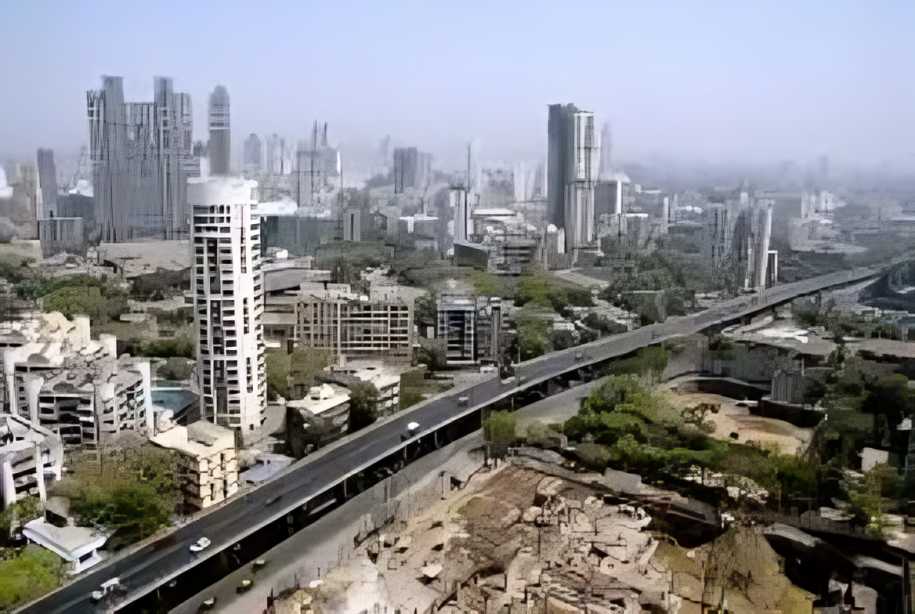

Mumbai’s urban renewal cycle is witnessing a new phase as a southern India–based real estate developer forays into the Mumbai Metropolitan Region with a multi-location redevelopment portfolio. The development reflects rising interest in Mumbai’s redevelopment-driven growth model as the city confronts the need to replace ageing housing stock with safer and more efficient structures.
Industry estimates indicate that the portfolio spans several central and suburban micro-markets, covering residential rehabilitation, fresh housing supply and select commercial components. The scale of the commitment marks one of the larger recent redevelopment entries by a non-Mumbai developer, signalling the city’s growing appeal beyond established local players.
Urban planners note that redevelopment in Mumbai has evolved from standalone housing society projects into a broader restructuring exercise. Thousands of buildings across the island city and inner suburbs are nearing or have exceeded their intended lifespan, increasing the urgency for systematic renewal. With limited greenfield land available, redevelopment has become central to accommodating growth without expanding outward.
Such projects typically serve a dual function: providing replacement homes for existing residents while adding new inventory in well-connected neighbourhoods with established infrastructure and employment access. This model supports housing demand in central and western suburbs while limiting pressure on peripheral expansion.
Analysts observe that demand remains steady in areas with strong connectivity, although buyers are increasingly focused on execution timelines and developer track record. Regulatory adjustments under consideration are expected to improve project feasibility across cooperative housing, state housing authority stock and slum rehabilitation models, favouring developers with financial strength and operational capability.
Urban economists caution that higher density must be matched with parallel investments in water supply, public transport, open spaces and climate resilience. As new national developers enter the market, the next phase of redevelopment will test whether investment can translate into more durable and inclusive urban neighbourhoods across Mumbai.
Source: Urban Acres