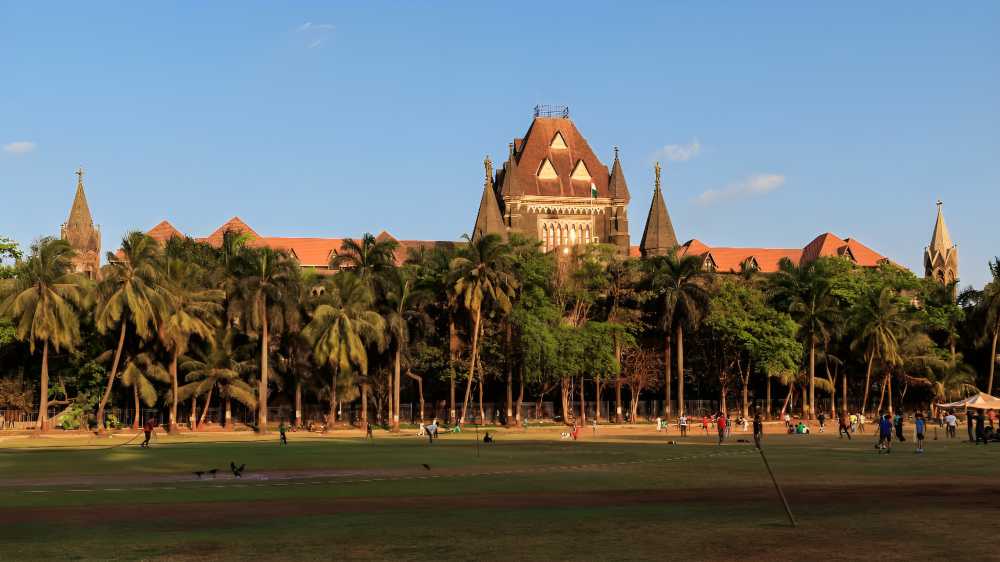

The Bombay High Court has expressed serious concern over the increasing encroachment of roads and pavements across Mumbai, questioning whether city authorities possess the capacity and intent to curb illegal constructions. The observations were made during hearings related to a dispute in Powai, but the court’s remarks highlighted a broader issue affecting urban governance and mobility across the city.
The bench noted that unauthorised structures and roadside squatting are no longer isolated incidents but indicative of a systemic lapse in enforcement. Judges warned that shrinking carriageways and obstructed footpaths heighten the risk of traffic congestion, road accidents and restricted emergency access. In a city already under immense infrastructural strain, such encroachments threaten both economic productivity and residents’ quality of life.
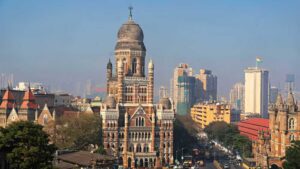
The court directed scrutiny toward the Brihanmumbai Municipal Corporation (BMC), seeking clarity on the effectiveness of its enforcement measures. It observed that repeated inaction may signal tacit tolerance, potentially encouraging further violations and weakening adherence to urban planning norms. Legal observers believe such judicial interventions reflect frustration over fragmented accountability within civic administration.
The case originated from a petition filed by an educational institution in Powai, alleging that surrounding encroachments were blocking access roads and compromising safety. Urban planners note that similar conflicts are increasingly common in rapidly developing areas where high land values intersect with informal commercial activity.
Transport experts emphasise that reclaiming public right-of-way is critical, particularly as Mumbai expands metro lines, flyovers and coastal infrastructure. Encroachments reduce effective road width, slow buses and discourage walking and cycling—key to sustainable urban mobility.
While civic officials say eviction notices and drives are routinely conducted, they acknowledge challenges posed by litigation, rehabilitation requirements and political sensitivities. Governance experts argue that consistent and transparent enforcement, coupled with inclusive rehabilitation strategies, is essential to protect shared urban spaces.
As proceedings continue, the court is expected to seek clear timelines and accountability from the administration, potentially shaping how Mumbai balances growth with orderly development.
Source: Urban Acres