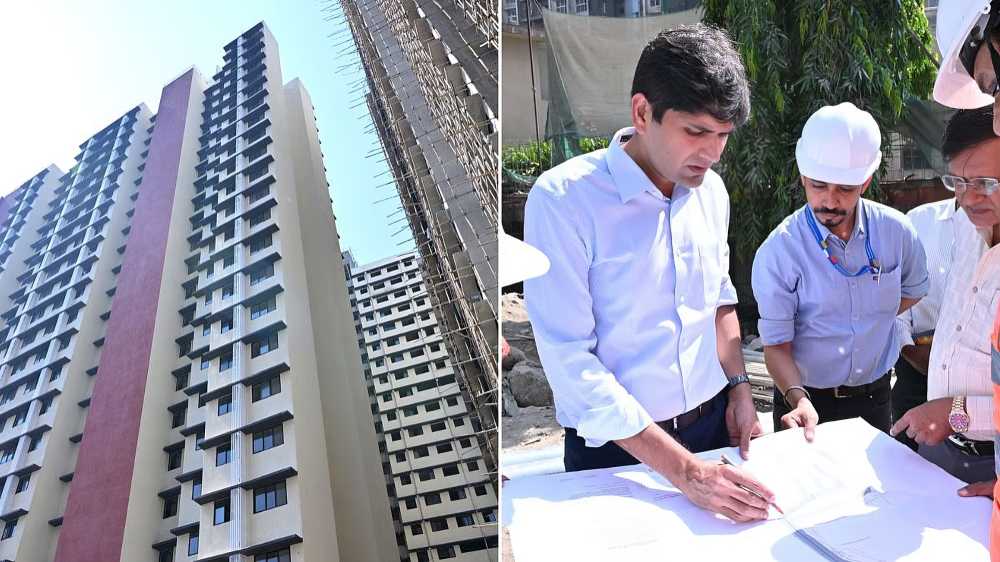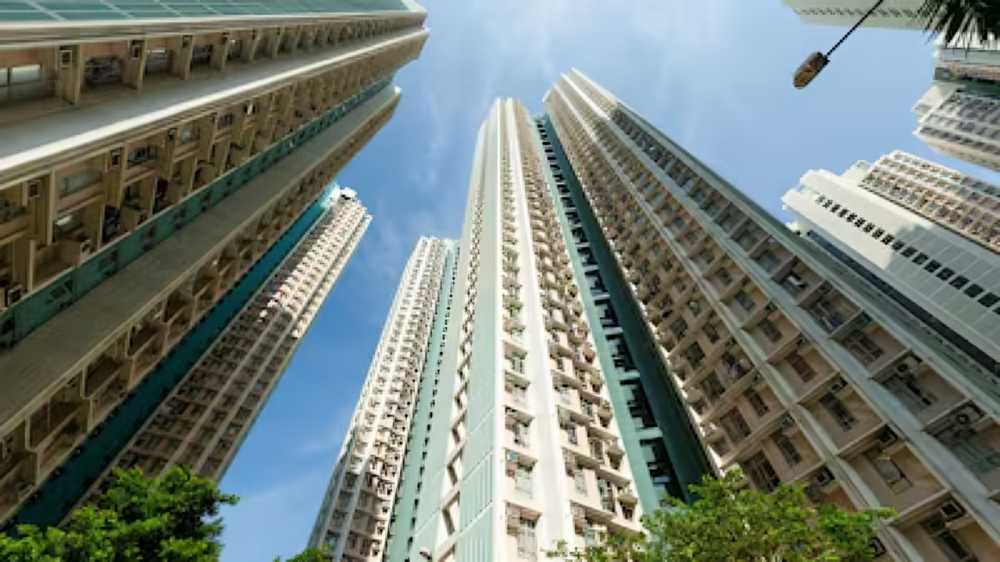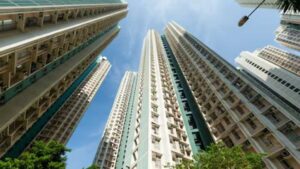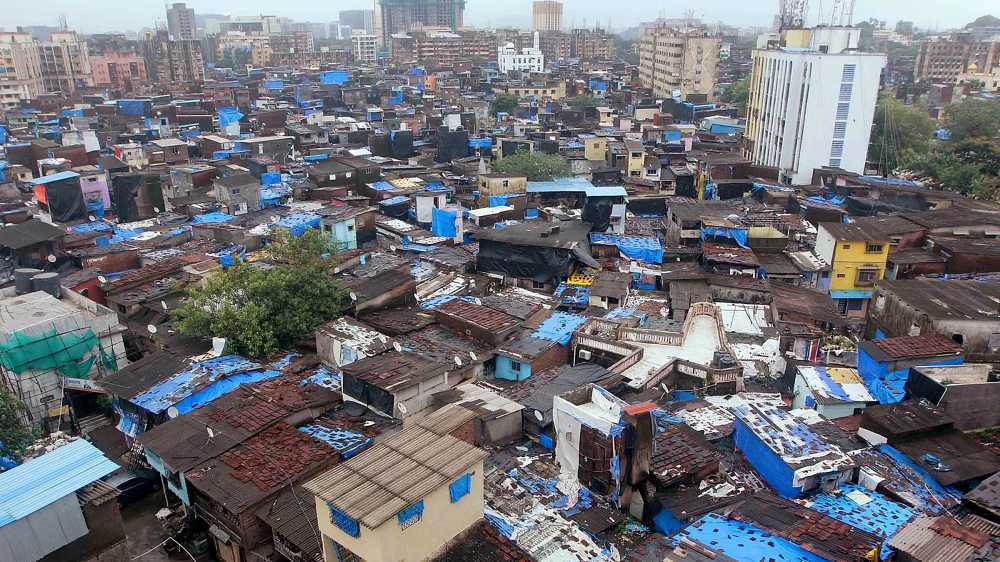

The Dharavi Redevelopment Project (DRP) is fast emerging as a transformative intervention that is reshaping Mumbai’s infrastructure, mobility network and long-term growth trajectory. Beyond its primary objective of housing rehabilitation, the scale of the initiative is unlocking land, triggering stalled projects and influencing city-wide planning decisions that might otherwise have remained dormant.
At its core, the DRP seeks to provide dignified, home-for-home rehabilitation to nearly 10 lakh residents who have lived for decades in congested and vulnerable conditions. However, the magnitude of relocating and rehabilitating such a vast population across multiple land parcels within the Mumbai Metropolitan Region (MMR) requires solutions extending far beyond housing alone. In doing so, the project is catalysing structural changes across the city.
Dharavi’s central location ensures that planning decisions here have ripple effects on transport, land use and environmental management. Land parcels in Kurla, Kanjurmarg, Bhandup, Mulund and Malad — long constrained by logistical and regulatory hurdles — are now being brought into the development framework as part of a broader rehabilitation strategy, easing pressure on Mumbai’s scarce land resources.
Mobility is another key pillar. The redevelopment envisions Dharavi as a multi-modal transport hub integrating suburban rail, Metro corridors and arterial roads. This integration is expected to reduce commute times while strengthening the backbone of Mumbai’s public transport system.
Environmental recovery is also central to the plan. The polluted Mithi River is slated for rejuvenation through flood mitigation, cleaner waterways and accessible public spaces along its banks. Simultaneously, scientific waste processing and biomining at the Deonar dumping ground aim to reduce legacy waste, reclaim land and mitigate health hazards.
Socially, the project proposes a low cost-of-ownership model with zero maintenance charges for 10 years and 10% commercial space in each building to generate sustained income for residents. A broader eligibility framework and proposed livelihood hubs with a five-year tax holiday further position the DRP as both a housing and economic renewal strategy, quietly redefining how Mumbai plans and grows.
Source: The Free Press Journal