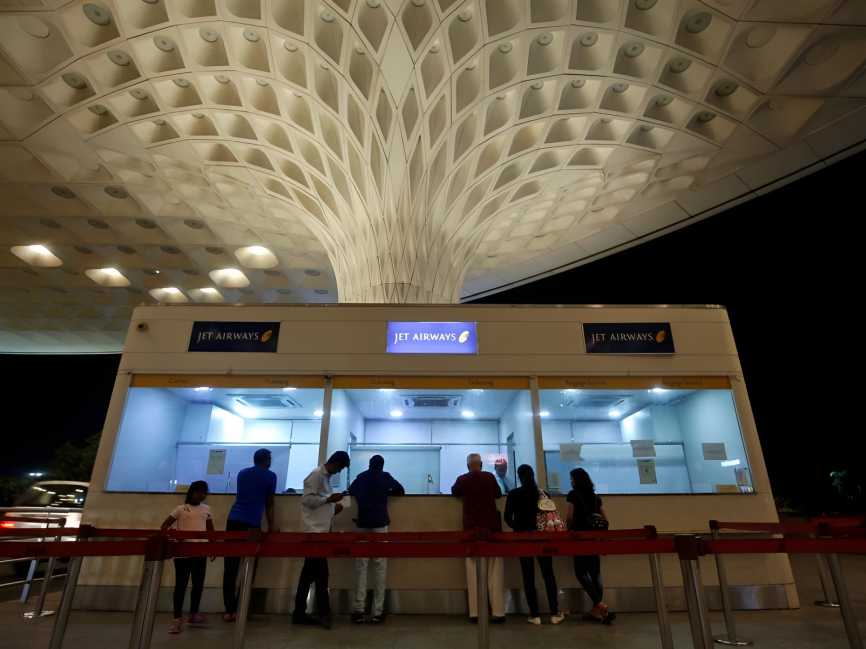

The International Air Transport Association (IATA) on Monday voiced concern over the proposed temporary suspension of dedicated cargo aircraft operations at Mumbai International Airport Ltd (MIAL) beginning August 2026, citing potential operational disruptions.
IATA stated that it had written to MIAL in January seeking clarification on the decision and urging compliance with guidelines issued by the Ministry of Civil Aviation (MoCA) and best practices of the Worldwide Airport Slot Board (WASB). “We are concerned about the impact on operations at Mumbai airport, particularly cargo. Effective engagement by MIAL with industry stakeholders is critical,” IATA said, adding, “We have yet to receive a response from MIAL.”
The statement follows MIAL’s February 9 communication to airlines reiterating its plan to suspend freighter aircraft movement from August 2026 to May 31, 2027. The pause is linked to apron reconstruction and taxiway construction works near active airside movement areas.
MIAL had earlier informed airlines in December about the decision, explaining that the suspension was driven by operational safety and capacity constraints. These include restricted aircraft movements during simultaneous taxiway works, safety risks from mixed passenger and freighter operations under constrained airside conditions, and challenges in maintaining peak-hour timelines.
As part of its infrastructure upgrade programme, the Mumbai airport will undertake rehabilitation and strengthening of key pavements, optimisation of aircraft movement zones, and redevelopment of certain cargo-adjacent facilities, including demolition of sections of the existing cargo terminal.
“Due to these constraints, and after extensive evaluation of all potential alternatives, we regret to inform you that cargo operations with dedicated freight aircraft will need to be temporarily suspended for the duration of the infrastructure upgrade program, effective August 2026 through May 31, 2027,” MIAL stated.
The operator added that Apron G remains fit for use, noting it has an estimated residual service life of four years, subject to routine inspection and maintenance.
Source: Rediff