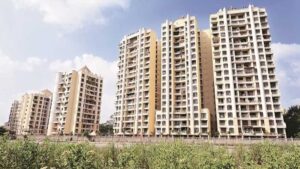
Mumbai’s property market is undergoing a structural transition, marked by visible construction activity across redevelopment-heavy pockets even as buyer enquiries remain steady. The emerging pattern highlights a shift in purchasing behaviour, with brand credibility and execution strength playing a larger role in decision-making.
During a recent quarterly earnings interaction, senior leadership at one of the city’s leading listed developers informed investors that while several suburban micro-markets are witnessing a surge in redevelopment-led launches, enquiry levels and booking conversions for established brands have remained stable. Buyers, the executive noted, are becoming more discerning, preferring developers known for timely delivery and consistent product quality.
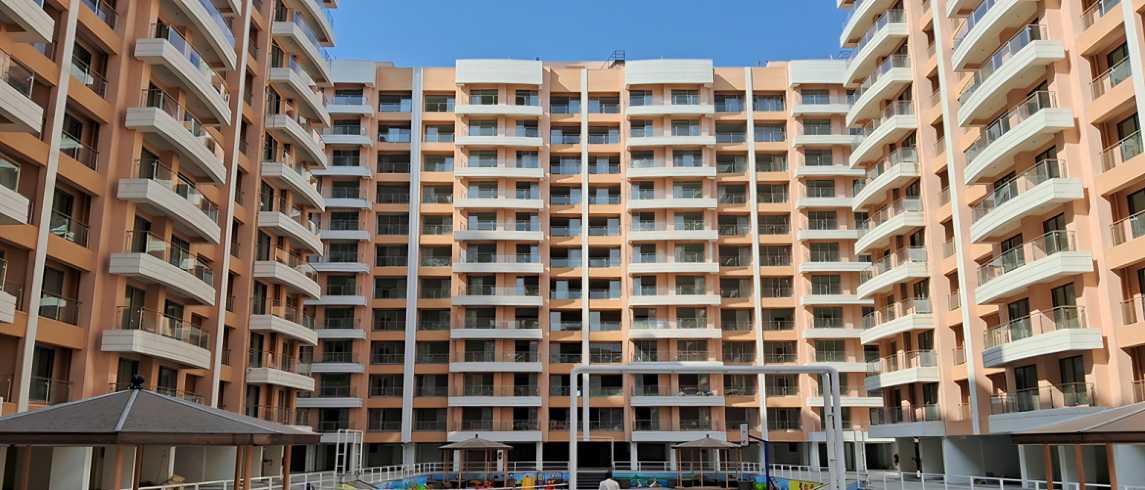
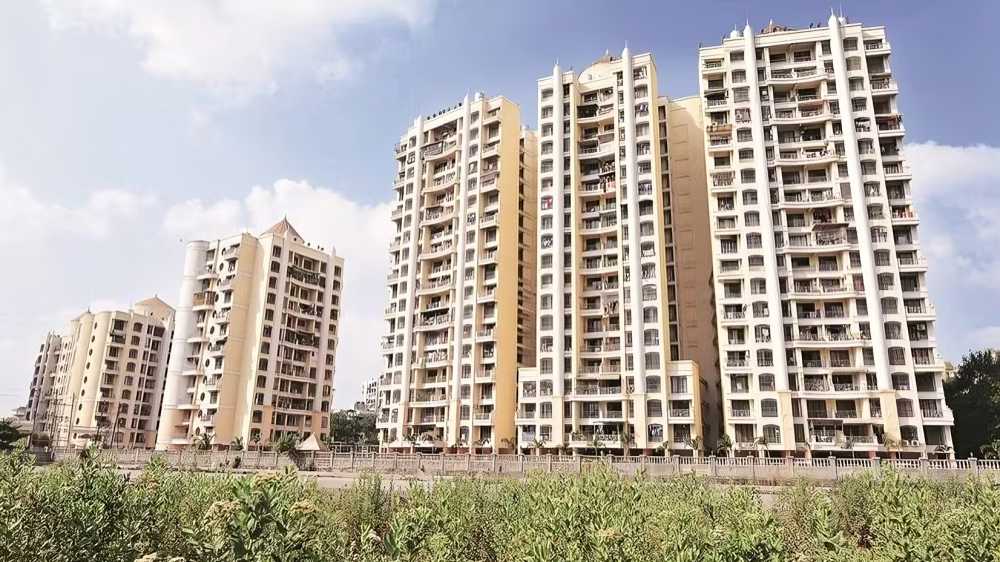
Property advisory data indicates that suburbs such as Borivali, Andheri, Bandra, Malad, Ghatkopar and Mulund are currently among the most active redevelopment zones. Older buildings are being replaced with taller projects under incentive-driven regulations, temporarily expanding inventory in select clusters. Although this improves long-term safety and infrastructure integration, it has created short-term supply pressures in certain areas.
At the same time, the broader market is consolidating. Institutional investors and homebuyers are increasingly aligning with established developers amid tighter regulations and rising compliance costs — a trend that has strengthened over the past two to three years.
The affordable housing segment has also seen a shift. Homes priced below Rs 75 lakh, once a major driver of volumes, are witnessing lower supply and absorption due to escalating land and construction costs, alongside developers’ focus on protecting margins. Consequently, while overall transaction values remain firm, unit sales have moderated.
Recent reports indicate that housing sales across India’s top eight cities declined in 2025, with the Mumbai region experiencing one of the sharpest drops in volumes. In contrast, southern cities such as Bengaluru, Hyderabad and Chennai recorded growth, supported by stronger supply pipelines and stable employment trends.
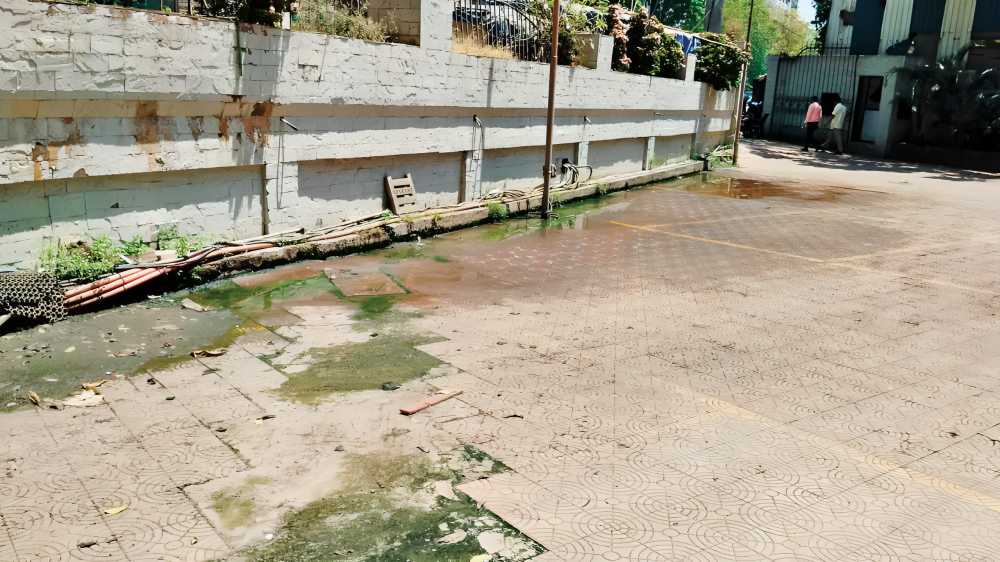
Experts suggest that if carefully managed, the redevelopment wave could enhance safety, sustainability and land use efficiency — but caution that infrastructure readiness must keep pace to ensure long-term urban liveability.
Source: Urban Acres