
After nearly two decades of legal and organisational challenges, the Tilak Safalya Co‑operative Housing Society in Chembur has finally commenced construction of a new residential tower, marking a significant milestone in resident-driven redevelopment in Mumbai’s eastern suburbs. The project reflects a growing trend where housing societies assert control over redevelopment, aiming to improve living standards, design sustainably, and reduce reliance on external developers.
The society’s journey has been long and complex. The original 200 sq ft MHADA flats were demolished in 2010 after a developer was appointed, but construction stalled indefinitely. Residents pursued extended legal battles, culminating in a Supreme Court ruling in 2018 that granted them redevelopment rights. Opting for a self-redevelopment model, the society now directly manages planning, financing, and construction—a shift from conventional builder-led projects.
“This approach allows us to prioritise residents’ needs and ensure quality, sustainable construction,” said a society spokesperson. Urban development analysts note that self-driven redevelopment enhances community agency, reduces dependency on profit-focused developers, and permits tailored design, though it demands strong organisational and financial capacity.
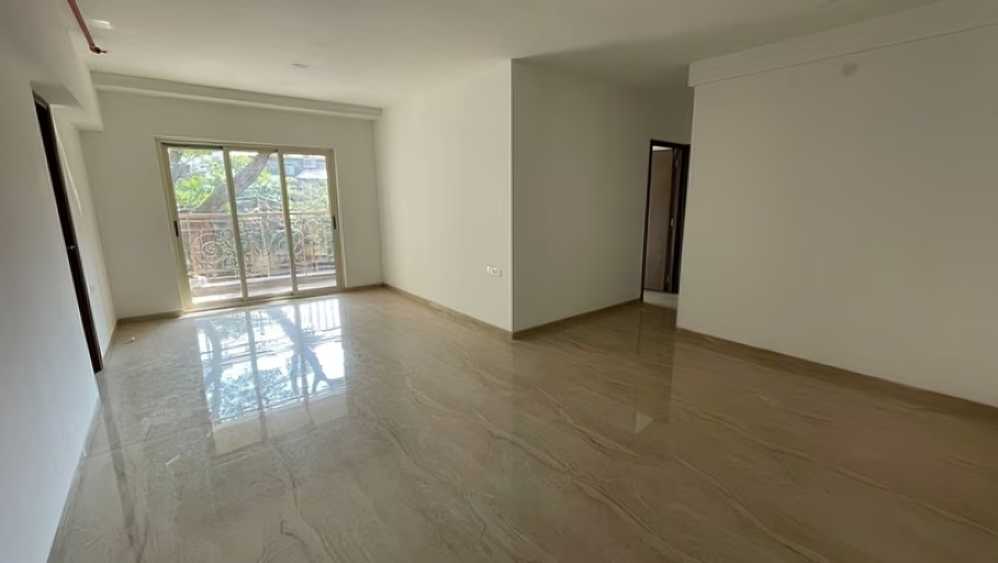
The new tower promises quadruple-sized homes compared to the original flats, along with sustainable features such as centralised air conditioning, solar power, and rainwater harvesting. Residents are pursuing green building certification, underscoring an emphasis on climate resilience and environmentally responsible urban living.
Experts caution that such self-managed projects require governance and oversight to avoid delays or quality issues, particularly for smaller cooperatives. Balancing cost-efficiency with long-term maintenance will be critical.
For Chembur residents, however, the groundbreaking represents the culmination of a 19-year effort—a testament to collective determination and community leadership. Municipal planners and housing policy advocates are observing the project closely, assessing whether resident-led redevelopment could serve as a replicable model for inclusive, sustainable, and equitable urban housing in Mumbai’s densely built environment.
Source: Urban Acres