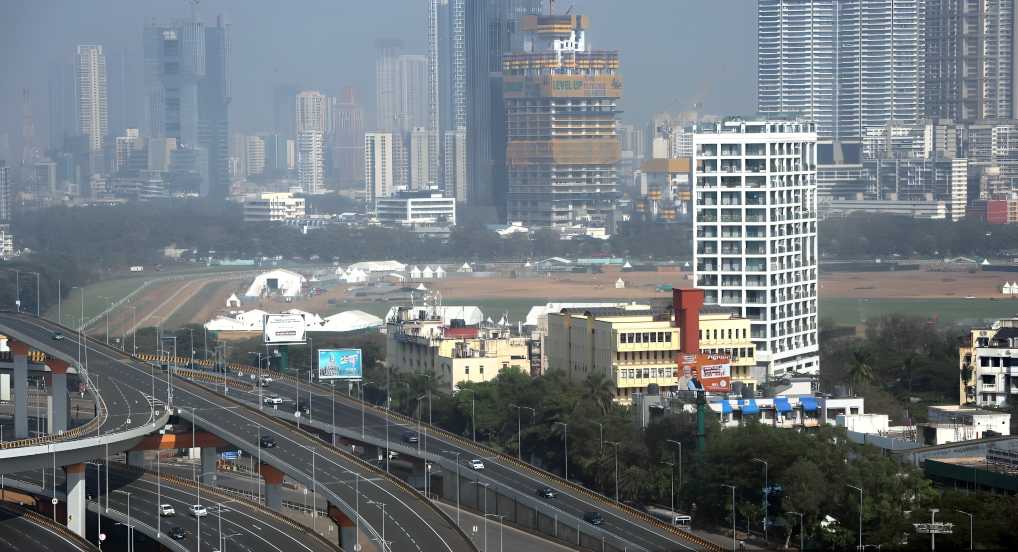

A collective of 102 architects and urban planners from Mumbai has formally objected to the Maharashtra government’s proposal to develop a large Central Park at the Mahalaxmi Racecourse, raising concerns over underground construction and transparency. The group has written to the Municipal Commissioner of the Municipal Corporation of Greater Mumbai and the Chief Minister, seeking full public disclosure of the project’s plans, funding structure, and land use details.
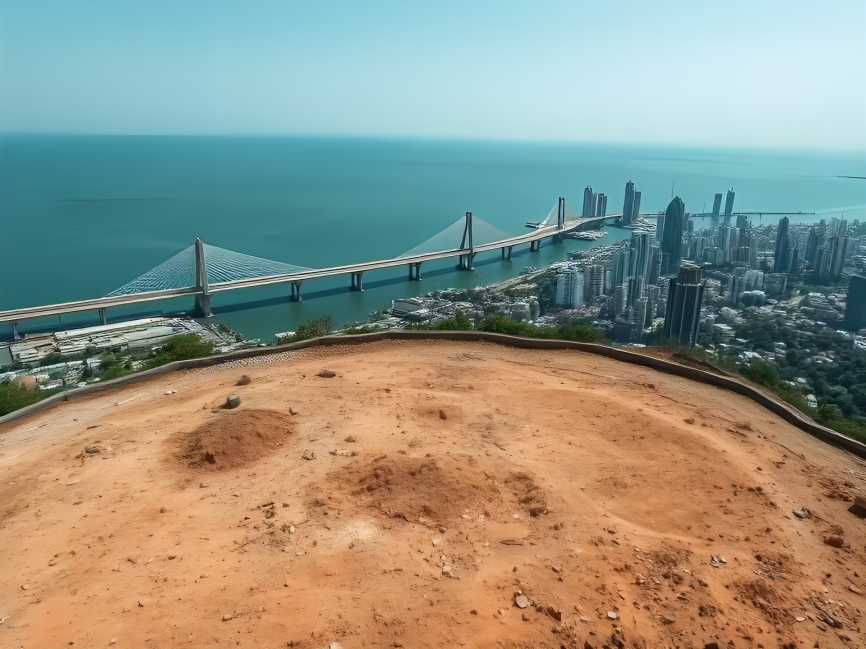
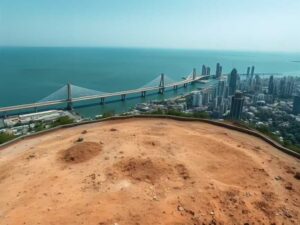
The proposal aims to create a 295-acre green space by combining 125 acres of the racecourse with 170 acres of reclaimed land along the Coastal Road. The state has presented the project as the country’s largest urban park, to be named Mumbai Central Park. Surface plans include landscaped gardens, walking paths, and preservation of the historic racetrack and stables.
Deputy Chief Minister Eknath Shinde has described it as a “300 acre oxygen park” and said it would be the “biggest gift to Mumbaikars.” “The racecourse, once accessible only to a few, will now belong to the city,” he said.
However, the architects have expressed concern about a proposed 10 lakh square feet underground sports complex and a 1.2 kilometre tunnel linking the park to the Coastal Road and Metro Line 3’s Nehru Science Centre station. Additional underground parking is also planned.
“We welcome any proposal that genuinely improves public access to the Racecourse. But we are concerned that what is being proposed goes well beyond access and that its full implications have not been placed before the public,” the letter states.
“The Mahalaxmi Racecourse is not private land. It belongs to the city. Citizens have long used it for walking, exercise, and recreation. Improving access to it is welcome and right. But access does not require excavation. Opening the gates to this ground does not require the construction of underground complexes beneath it.”
“The globally established norm is 9 sq m of open space per person, WHO. The accepted figure for Mumbai is approximately 1.2 sq.m, already a fraction of what a liveable city requires.”
“In this context, the loss or degradation of any large public ground is not a minor matter. It is irreversible.”
“Natural ground absorbs rainwater, allows groundwater recharge, and reduces flood risk in the surrounding area. These are not incidental benefits, they are critical urban infrastructure functions.”
Source: The Indian Express