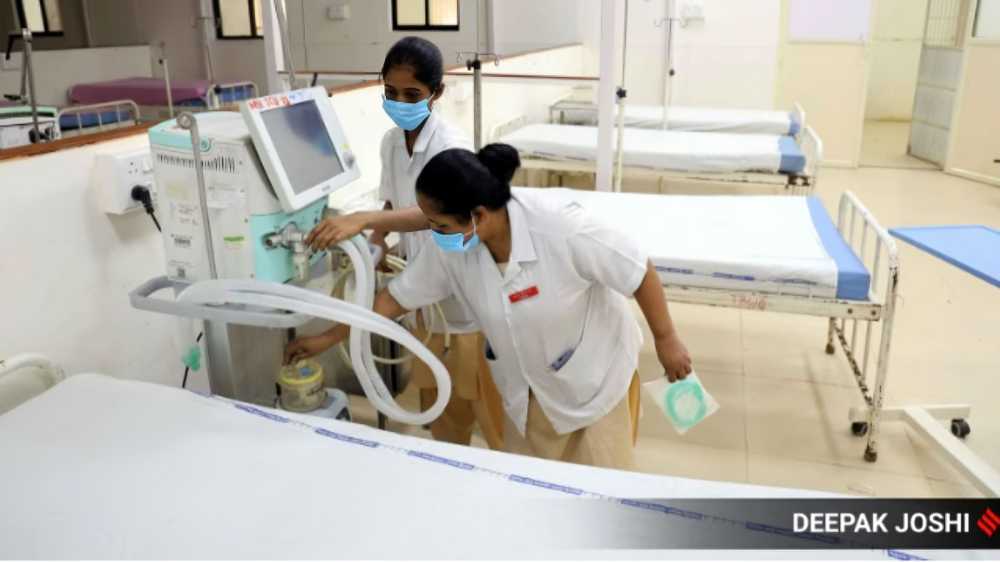

On February 16, students and resident doctors at Mumbai’s Grant Medical College and JJ Hospital began an indefinite hunger strike, calling for autonomy for the historic Gymkhana, safer hostels, timely stipends, and upgraded infrastructure. By evening, the Dean of JJ Hospital agreed to meet their demands, but the Grant Medical College Students Association warned that if assurances were not implemented by February 28, they would resume the strike in a more severe form.
The protest highlights broader challenges in Maharashtra’s public healthcare system, where staff shortages, unsafe working conditions, and delayed infrastructure projects are straining hospitals. A 2025 survey by the Maharashtra Association of Resident Doctors (MARD) Federation of All India Medical Associations covering 5,800 healthcare professionals across 18 government medical colleges found that 33% of colleges fail to pay stipends on time, 11% of resident doctors feel unsafe at work, and many institutions face overcrowded wards, poor sanitation, and limited grievance mechanisms.
“We don’t need new colleges, we need safe hostels and hospitals where we work. We have to be on duty for 24 hours, we often don’t get time to freshen up, change our clothes, and sleep in the hospital itself,” said a resident doctor from Nashik. In tribal Palghar district, 811 sanctioned posts remain vacant, major hospital projects are delayed, and maternal mortality is high due to inadequate emergency care. A 2025 study presented at the Maharashtra Mahila Aarogya Hakk Parishad found that 10 of 12 maternal deaths occurred because local hospitals lacked capacity, forcing risky transfers. Most women were aged 20 to 24, with anemia and early pregnancies worsening risks.
District officials acknowledged delays, citing funding issues. “About 75 per cent of the district hospital work has been completed since 2022, while the trauma centre, sanctioned in 2019, is structurally ready but not operational. Shortages of medicines, doctors, and gynecologists remain serious gaps,” said an official.
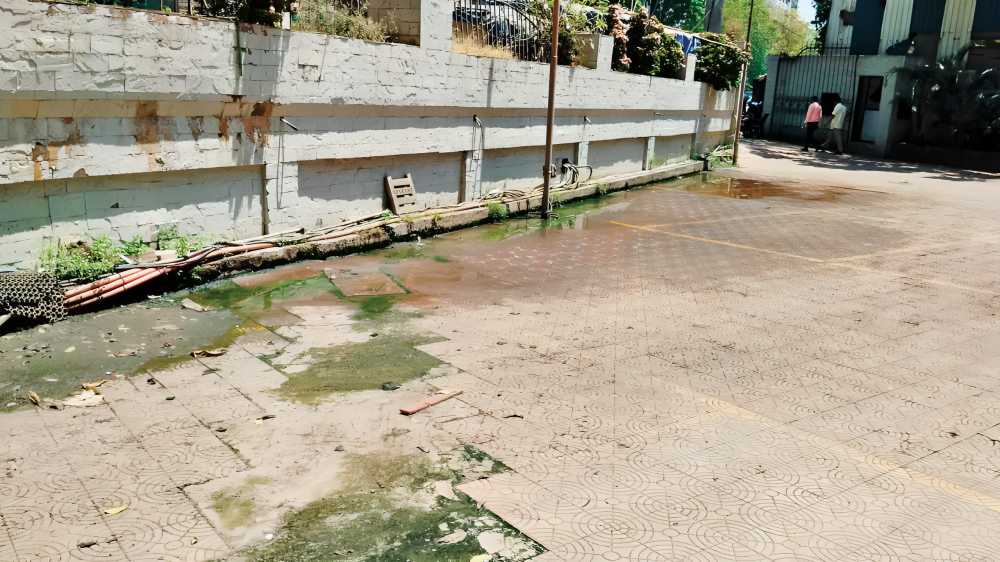
Despite new nursing colleges and upgrades approved by the state, students and resident doctors continue to report unsafe hostels, overcrowding, poor sanitation, and security lapses, particularly in rural areas. “Intruders have entered nursing hostels at night… accountability is absent, leaving women doctors and students feeling unsafe in overcrowded, neglected hostels,” said a woman medical student in Mumbai.
Source: The Indian Express