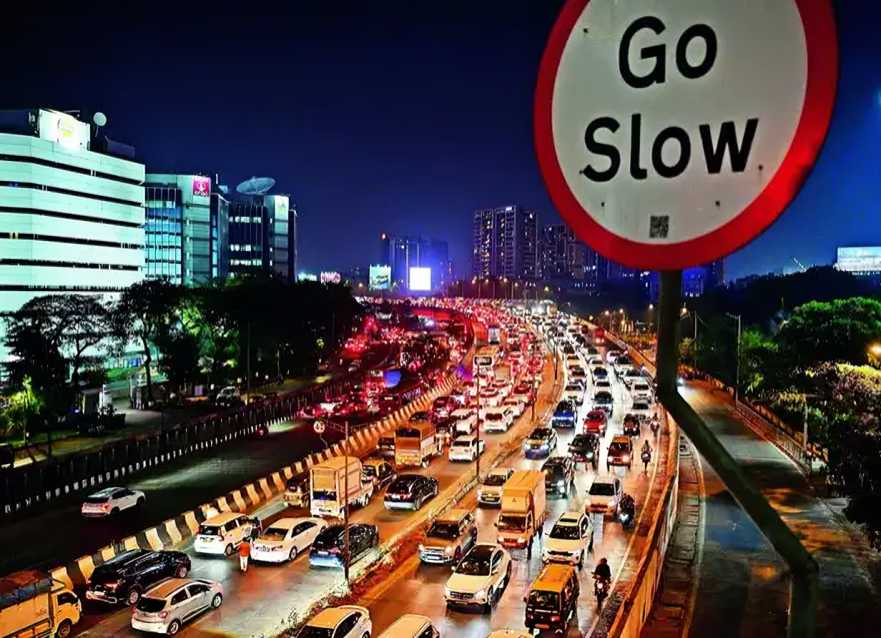

Mumbai’s traffic troubles are hardly new, but recent measures to restrict heavy vehicles and regulate parking once again highlight how complex the challenge is. In a city that is dense and perpetually in motion, easing congestion demands a mix of short- and long-term interventions rather than isolated fixes.
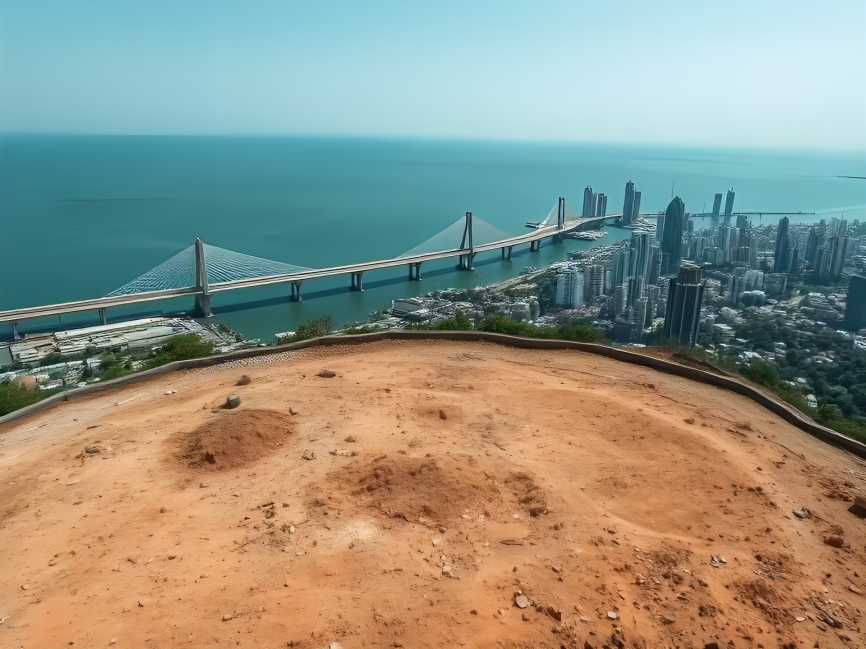
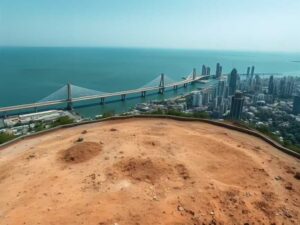
At the heart of the issue lies geography. Mumbai’s evolution from seven islands has left it with limited developable land. With space commanding a premium, plots are typically prioritised for housing, commerce and industry rather than roads or parks. The result is a structural shortage of transport corridors. Simply put, the city does not have enough land devoted to mobility infrastructure. And that reality means traffic density is here to stay.
Large-scale urban redesign, such as the sweeping boulevards created in 19th-century Paris, is not easily replicable today. Such transformations required decades, sweeping authority and immense social disruption. Attempting something similar now would entail staggering human, financial and legal costs.
Incremental solutions, however, can still deliver gains. Ensuring that private vehicles are parked within residential premises rather than spilling onto roads can free up space. Better regulation of idle buses, autos and taxis can prevent newly widened roads from narrowing again. Measures like congestion pricing for single-occupancy cars, or staggered office hours, may also help distribute traffic loads more evenly.
Ultimately, the pivot must be toward public transport. It cannot remain a fallback option; it must become the preferred mode of travel. That means systems that are fast, affordable, comfortable and seamlessly integrated across buses, suburban rail and Metro networks. Making public transport efficient is essential, but so is improving its overall experience and perception.
For a city as dynamic and tightly packed as Mumbai, the path forward lies not in endlessly building more roads, but in building a smarter, more connected transport ecosystem.
Source: Mumbai Mirror