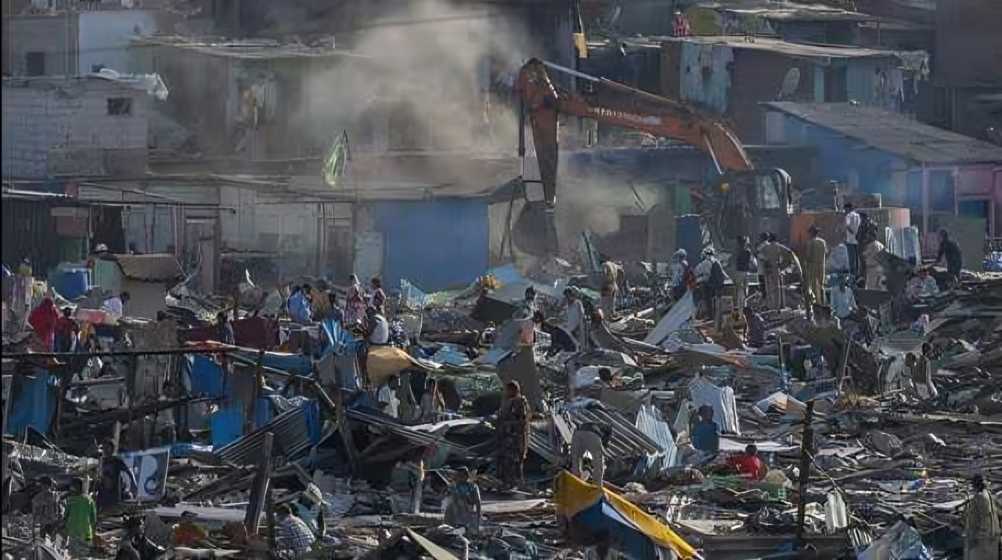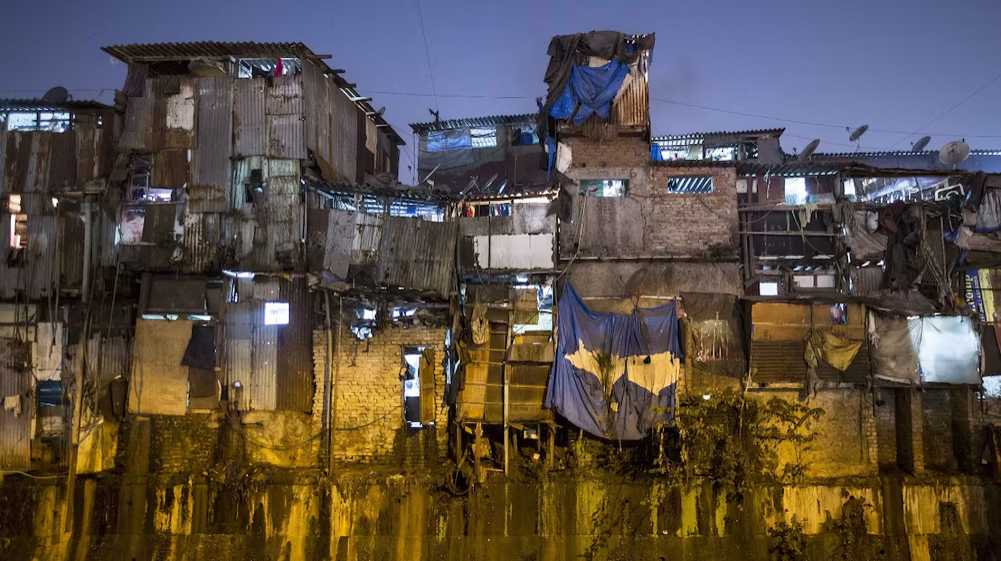

Often portrayed as a symbol of urban hardship, Dharavi is also among Mumbai’s most productive economic zones. Spread across roughly 2.4 square kilometres and home to nearly 1.2 million people, the settlement supports over 20,000 small-scale enterprises and generates an estimated USD 1–1.5 billion annually, according to international development agencies.
Despite limited infrastructure, commercial property values remain high. While residential shanties of around 100 sq ft rent for Rs 3,000–Rs 7,000 per month, larger commercial units measuring 1,200–1,800 sq ft can command monthly rents running into several lakhs, in some cases touching Rs 5 lakh. Proximity to arterial roads and dense trade networks drives demand. The area sustains thousands of blue-collar workers, including domestic workers, drivers, artisans, recyclers and food vendors who contribute significantly to Mumbai’s daily functioning.
Raju Hanumanta, a local plumber, sums up the sentiment: “Gutter hai, par sone ka hai (It’s gutter, but it’s made of gold)”.
Dharavi’s leather industry forms a major pillar of this ecosystem. More than 5,000 small manufacturers produce bags, jackets and accessories for domestic and export markets, with the Koliwada Road cluster alone estimated to generate around Rs 250 crore annually. Margins per item may range between Rs 200 and Rs 300, but volumes remain steady due to integration with broader supply chains.
The pottery hub of Kumbharwada, considered Asia’s largest, supports over a thousand families and generates business exceeding Rs 1,000 crore annually through diyas, crockery and decorative goods, though artisans face seasonal demand fluctuations and health risks from kiln smoke.
Dharavi also processes nearly 80% of Mumbai’s solid waste, handling close to 20,000 tonnes daily through an estimated 2.5 lakh workers engaged in recycling.
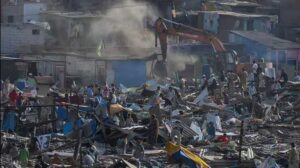
As redevelopment plans advance, concerns over relocation and business continuity persist. Yet Dharavi’s dense web of labour, trade and manufacturing continues to power a vital segment of Mumbai’s informal economy.
Source: Business Today