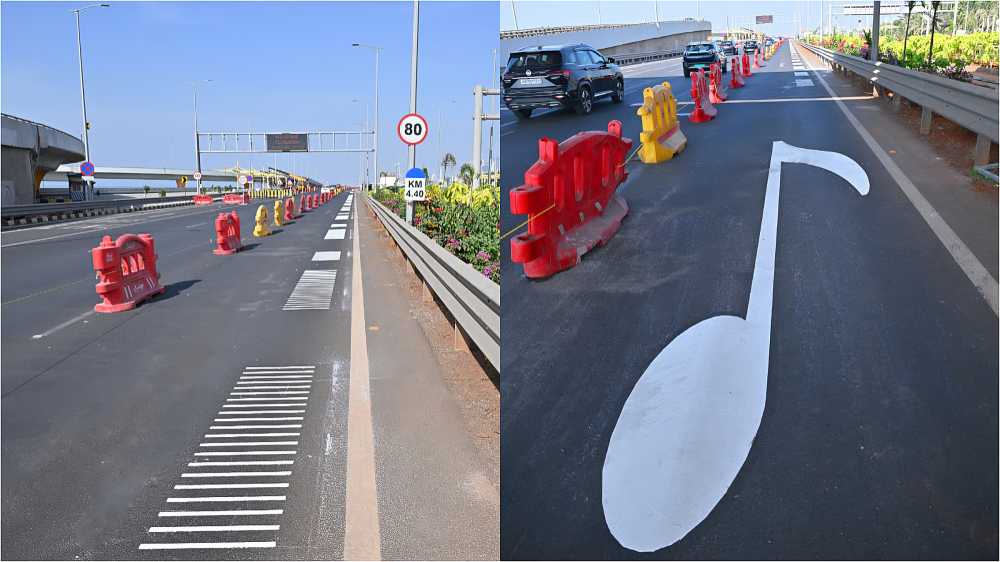

A “musical road” introduced on Mumbai’s Coastal Road has drawn criticism from residents, who argue that civic authorities are funding novelty projects while unresolved infrastructure issues persist under the Brihanmumbai Municipal Corporation.
The 500-metre stretch uses specially grooved asphalt designed to play Jai Ho when vehicles travel at around 80 kmph. Unveiled in early February with significant publicity, the installation was promoted as a mix of innovation and road-safety design, developed with international technical input. The project cost Rs 6.21 crore. While the amount may appear modest in isolation, critics say it raises concerns when viewed against the city’s ongoing civic challenges.
Residents of Breach Candy and nearby areas soon began reporting continuous noise from passing vehicles, describing it as disruptive rather than entertaining. Over 650 households formally wrote to the BMC, citing sleep disturbances and objecting to what they described as an experiment imposed without consultation. What was conceived as a brief sensory feature for motorists has, for many locals, become a daily disturbance.
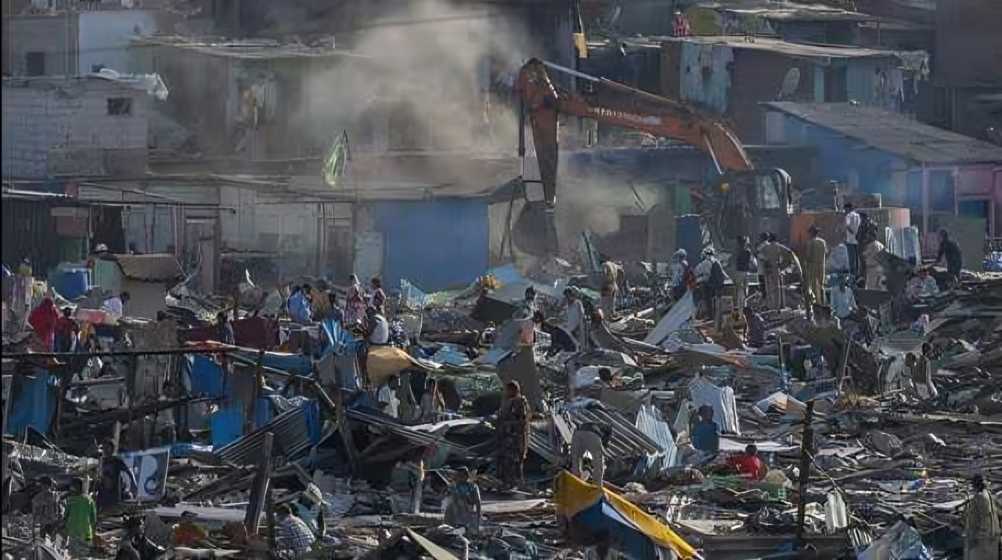
The backlash has also revived scrutiny of broader infrastructure gaps along the Coastal Road. Pedestrians and cyclists have pointed to confusing access points, limited signage and difficult navigation near junctions such as Haji Ali and Worli. During the 2025 monsoon, sections of the road, including tunnels and a pedestrian underpass, experienced flooding during high tide despite the project being described as climate-resilient.
Urban planners note that creative infrastructure can enhance city life, but only when essential systems function effectively. In Mumbai, critics argue that public investment should first address durability, accessibility and flood preparedness before pursuing aesthetic or experimental additions.
As debate continues, the musical road has come to symbolise a larger question about civic priorities: whether public funds should emphasise spectacle or focus squarely on strengthening the city’s foundational infrastructure.
Source: The Free Press Journal