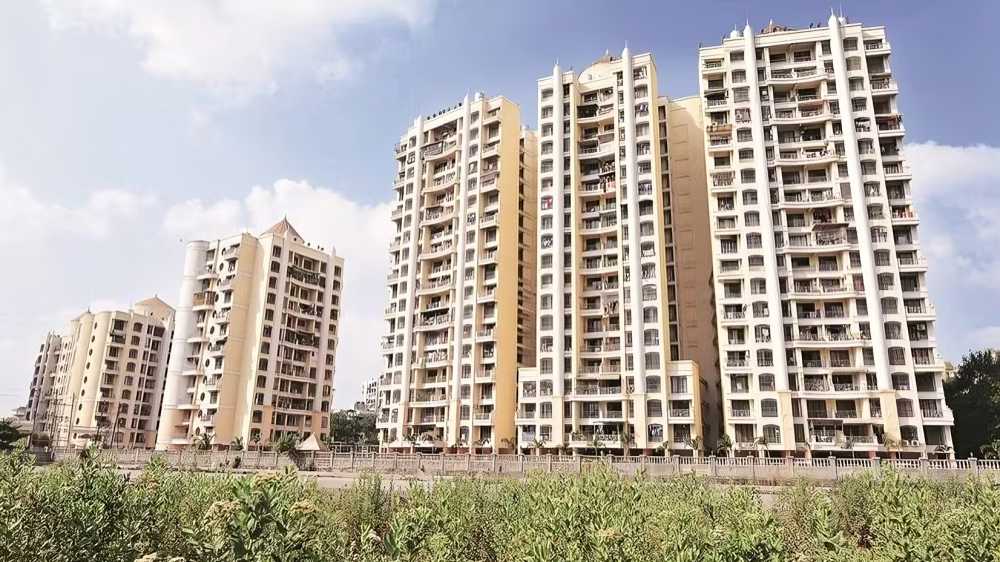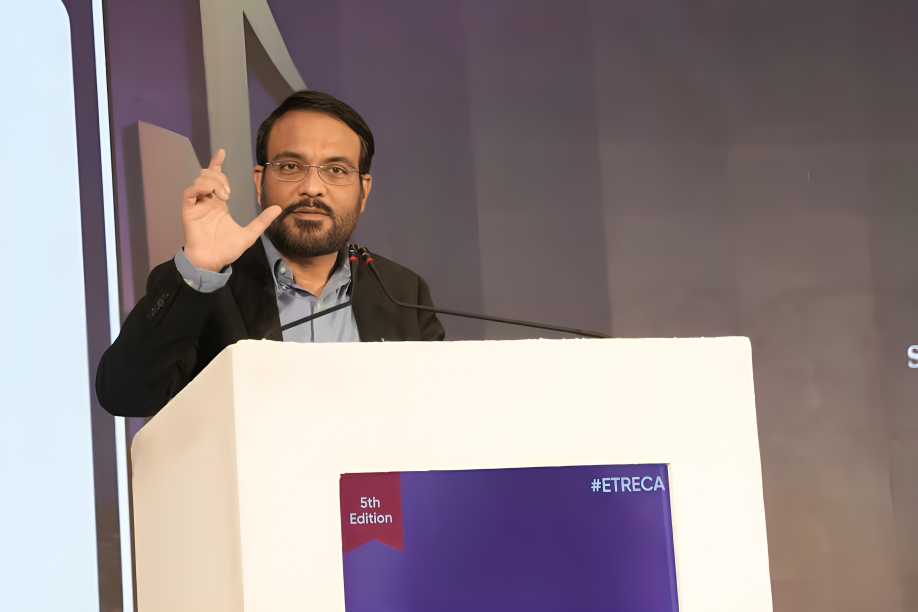

With nearly 90% of Mumbai’s developable land already consumed and affordability under strain, the Maharashtra Housing and Area Development Authority (MHADA) is pivoting toward large-scale cluster redevelopment to address deep-rooted housing challenges. Speaking at the ET Realty Real Estate Conclave 2026 held at Taj Santacruz, Mumbai, MHADA Vice-President and CEO Sanjeev Jaiswal (IAS) said the city’s housing affordability index stands at about 50%, meaning an average household spends roughly half its income on EMIs to buy a home.
Jaiswal stressed the urgency of structural policy reforms, noting that rationalising premiums, development charges and taxes for affordable housing could reduce prices by up to 25% in select segments. With land availability shrinking and redevelopment becoming increasingly complex, he said isolated, building-level projects are no longer adequate to meet future demand.
“We are opening up 800 to 1,000 acres of land for cluster redevelopment, something that has never happened before,” he said.
Projects such as GTB Nagar and Abhyudaya Nagar are already at advanced stages, with additional clusters in the pipeline. Under this model, MHADA aims to merge smaller plots into integrated layouts spanning 60 to 100 acres, enabling the creation of well-planned residential zones with upgraded infrastructure, open spaces and civic amenities—essentially township-style developments within the city.
As part of Maharashtra’s larger housing vision, 2.8 million affordable homes are targeted across the Mumbai Metropolitan Region by 2030, with MHADA expected to contribute nearly 0.8 million units directly and indirectly. Over the past two-and-a-half years, around 50,000 homes have been delivered, and 60–70% of future supply is projected to come from approved or upcoming cluster projects.
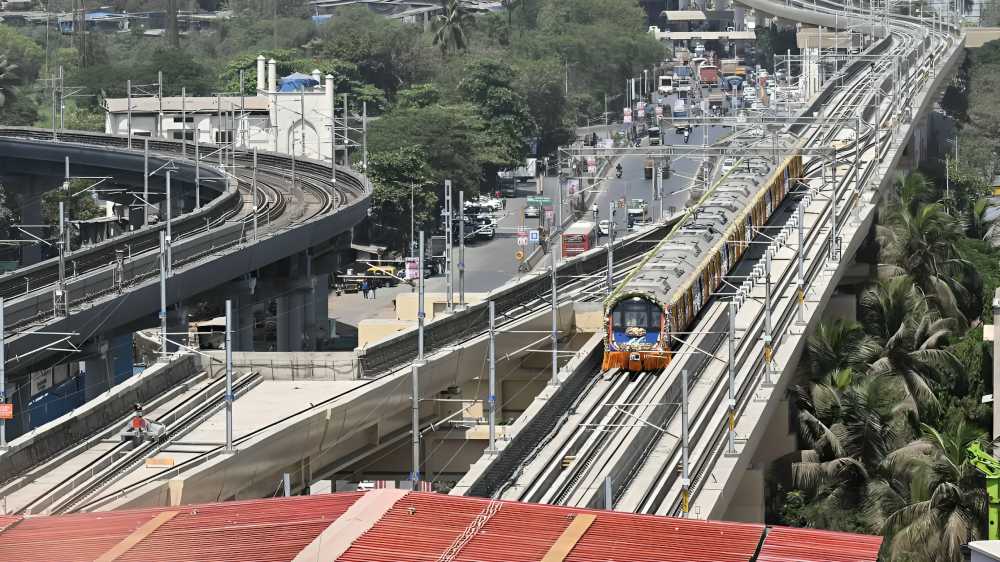
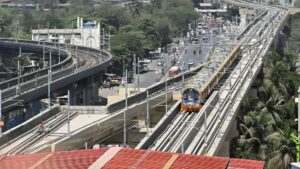
Jaiswal also highlighted the impact of metro expansion and the Navi Mumbai International Airport in redistributing demand across the region, while cautioning against oversupply risks. He advocated a diversified housing strategy under the state’s 2025 policy, including rental and specialised housing, and urged developers to prioritise middle-income and first-time buyers alongside premium segments to ensure balanced, inclusive growth.
Source: ET Realty