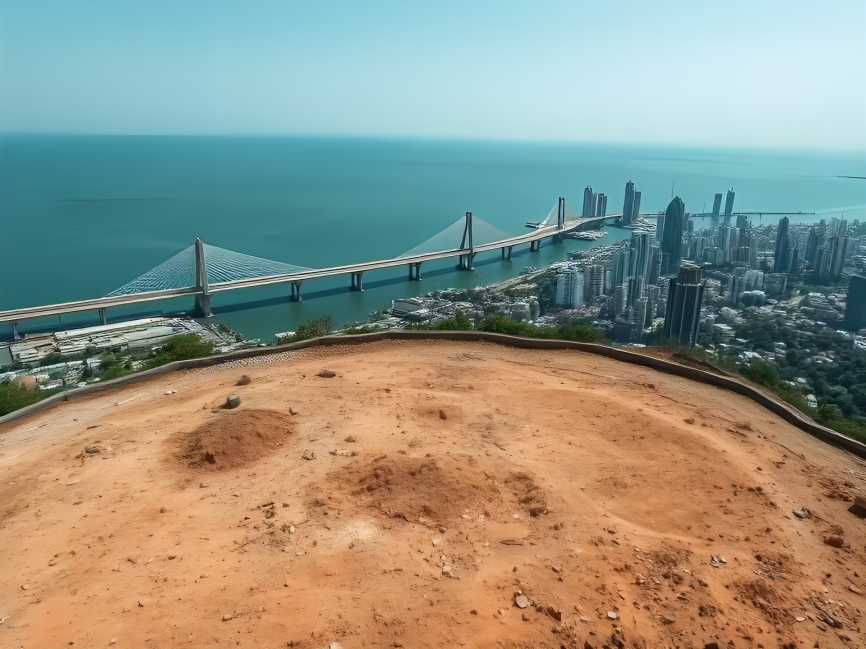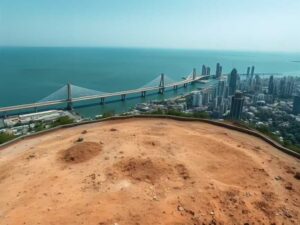

The Mumbai Metropolitan Region Development Authority (MMRDA) has cleared its highest-ever annual budget, allocating ₹48,000 crore with a strong emphasis on mass transit and mobility projects across the Mumbai Metropolitan Region (MMR). Notably, this is the authority’s first surplus budget in nearly ten years, reflecting a move toward sustained infrastructure-driven expansion rather than short-term fiscal adjustments.
Officials indicated that close to 75% of the total outlay has been directed toward metro corridors, elevated road projects and major connectivity links. For millions living in the MMR, this prioritisation targets persistent traffic congestion, extended commute times and uneven access to job hubs—factors that influence productivity, living costs and overall urban efficiency.
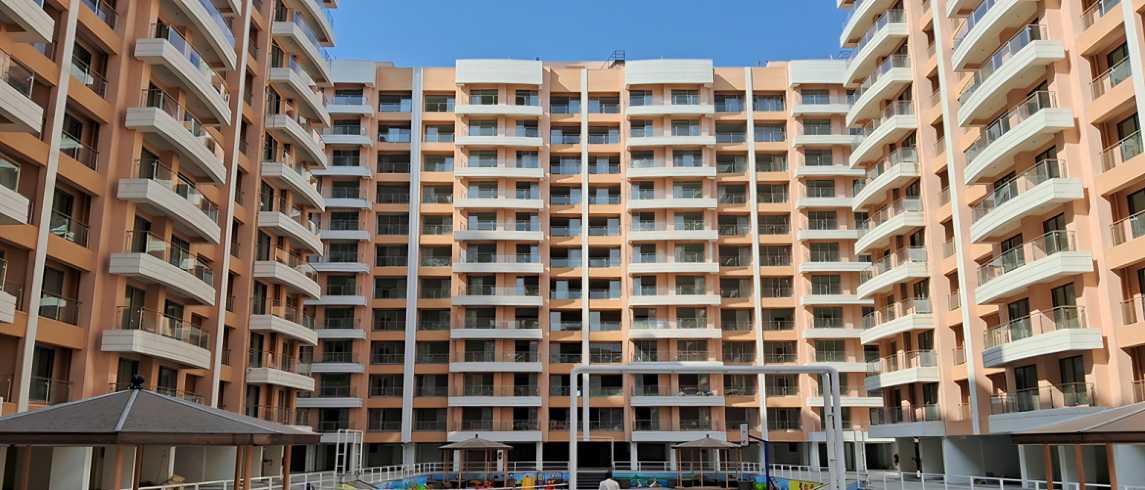
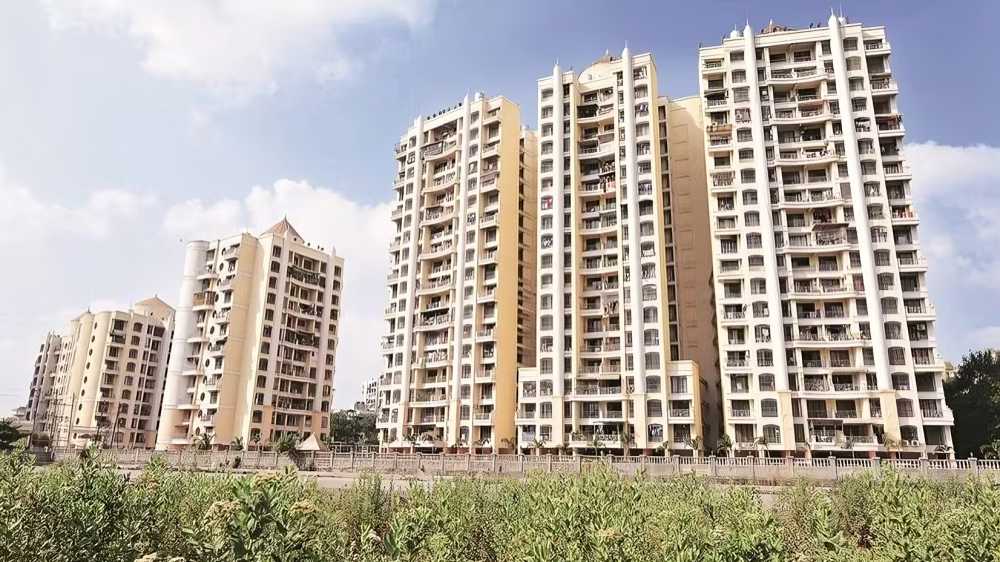
Urban mobility experts observe that consistent investment in metro rail systems serves both economic and environmental objectives. High-capacity public transport networks reduce dependency on private vehicles, curb per-capita emissions and enhance air quality. In the longer term, such projects encourage transit-oriented development, redistributing growth beyond traditional city centres and influencing real estate patterns around emerging corridors.
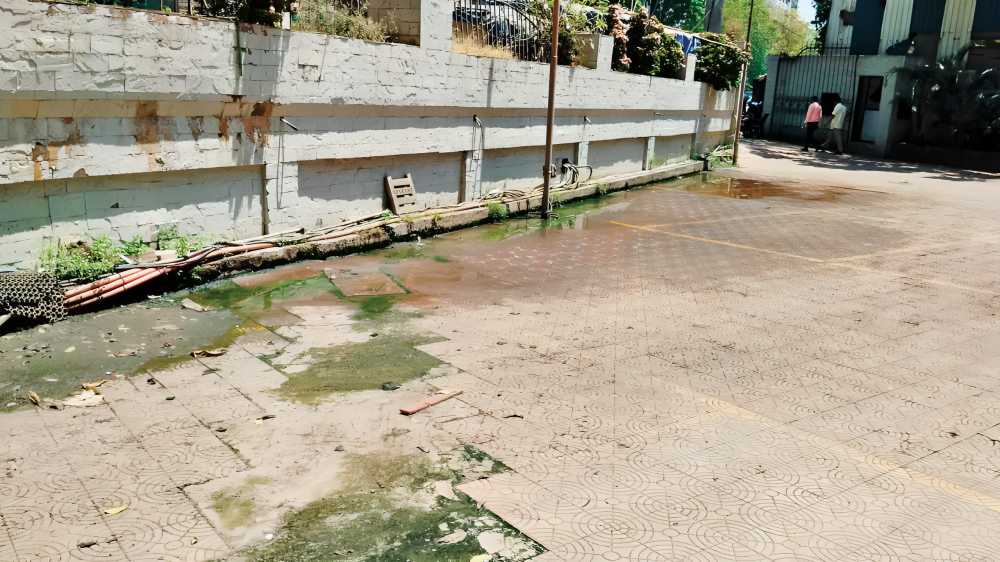
The budget also highlights a renewed focus on water security. Provisions have been earmarked for new reservoir developments and allied infrastructure, along with funding support for an existing dam project aimed at strengthening drinking water resilience. Planners stress that securing water supply is vital for long-term metropolitan stability, particularly amid climate-related uncertainties.
On the global front, the MMR recently attracted investor attention at the World Economic Forum meeting in Davos, where multiple investment commitments were secured across infrastructure, logistics, digital services, education and sustainability-linked systems. These agreements are expected to generate substantial employment opportunities in the coming decade.
While the ambitious spending plan signals momentum, experts caution that timely execution, inter-agency coordination and environmental safeguards will ultimately determine whether the infrastructure push translates into inclusive and sustainable urban growth.
Source: Urban Acres