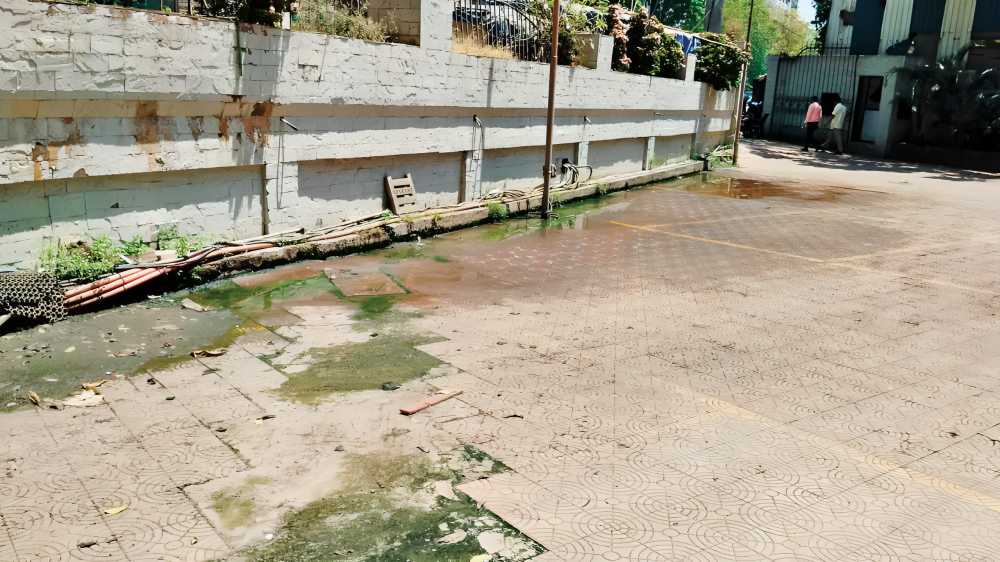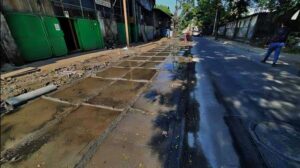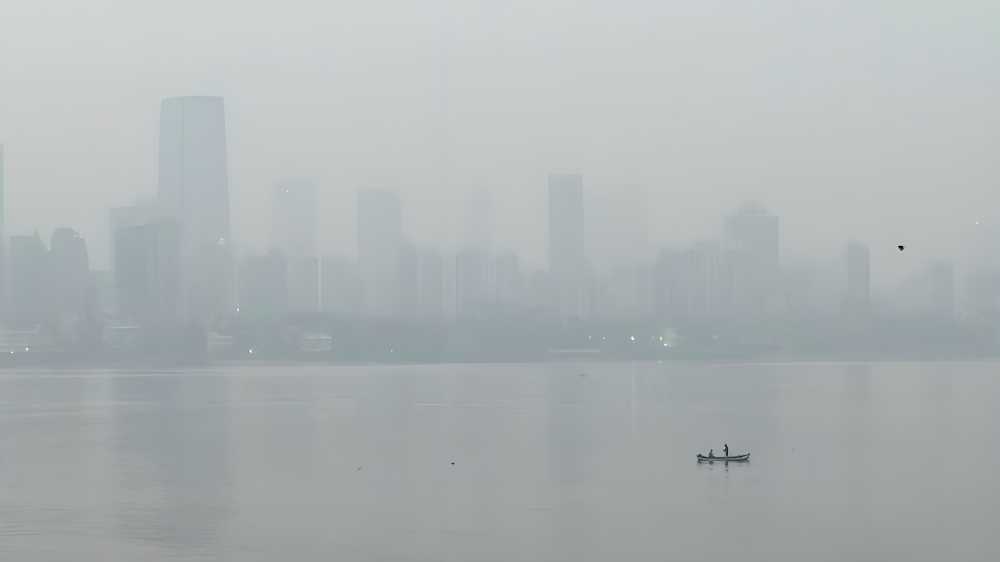

Nearly five million kilograms of plastic waste are discharged into the Arabian Sea from close to 50 nallahs across Mumbai every year, according to a year-long assessment by The Ocean Cleanup (TOC), a Netherlands-based non-profit focused on eliminating ocean plastic.
Conducted between May 2024 and May 2025, the study tracked plastic movement through rivers and tributaries that feed into the city’s stormwater drainage network before emptying into the sea. The analysis identified Thane Creek, Malad Creek and Vasai Creek as the top three contributors to marine plastic leakage in the Mumbai Metropolitan Region.
“Trash flows across the length of the nallahs, carrying it into the ocean, mangroves, coastline and beaches,” said Boyan Slat, founder of TOC. “This impacts 220 km of coastline, 152 sq km of mangroves, 107 protected species, and nearly 1.9 million livelihoods dependent on coastal and marine ecosystems.”
The findings will guide TOC’s deployment of specialised trash interceptors at key outfalls where waterways merge with creeks or the sea. Two interceptors are slated for installation in Trombay and Malad before the monsoon, with an estimated initial recovery capacity of 61 to 92 tonnes of plastic. Over the next three years, the organisation aims to expand the systems across all 50 major nallahs.
Slat highlighted Mumbai’s tidal complexity. “What’s unique about Mumbai is that the rivers are highly tidal. The interceptor will be designed to capture trash travelling both downstream into the sea and upstream during high tide. In Vashi Creek, plastic is often carried upstream for tens of kilometres with the tide,” he said.
Mumbai is among 30 global cities responsible for nearly one-third of river-based plastic pollution worldwide. In coordination with the Brihanmumbai Municipal Corporation and the Maharashtra Pollution Control Board, TOC selected Trombay and Malad for early rollout.
The BMC has also installed multiple trash booms across stormwater drains, cumulatively removing thousands of metric tonnes of waste. “Valuable recyclable plastic is often collected by waste pickers before it reaches the waterways, leaving behind mostly low-value plastic packaging,” Slat said, citing the survey conducted with The Energy and Resources Institute.
Source: The Indian Express