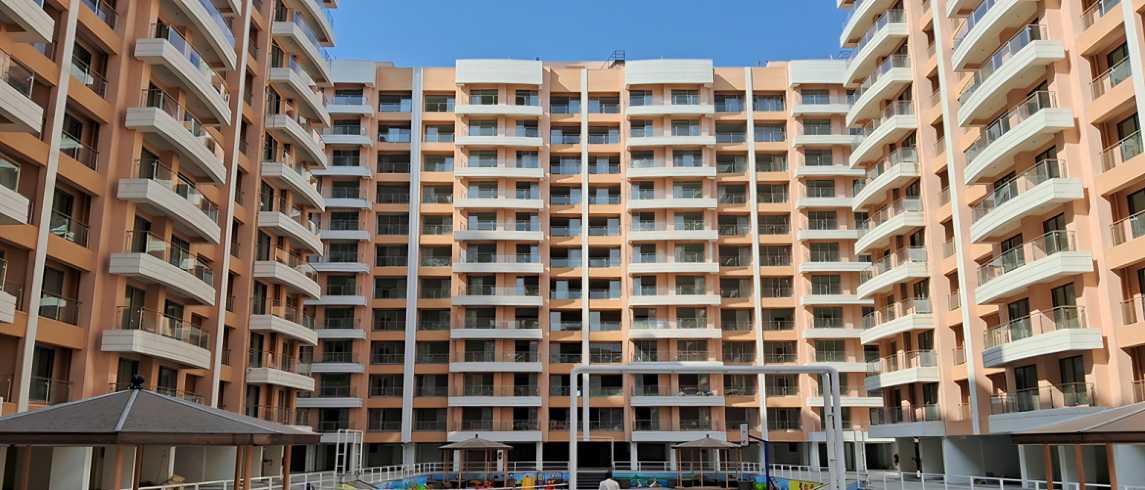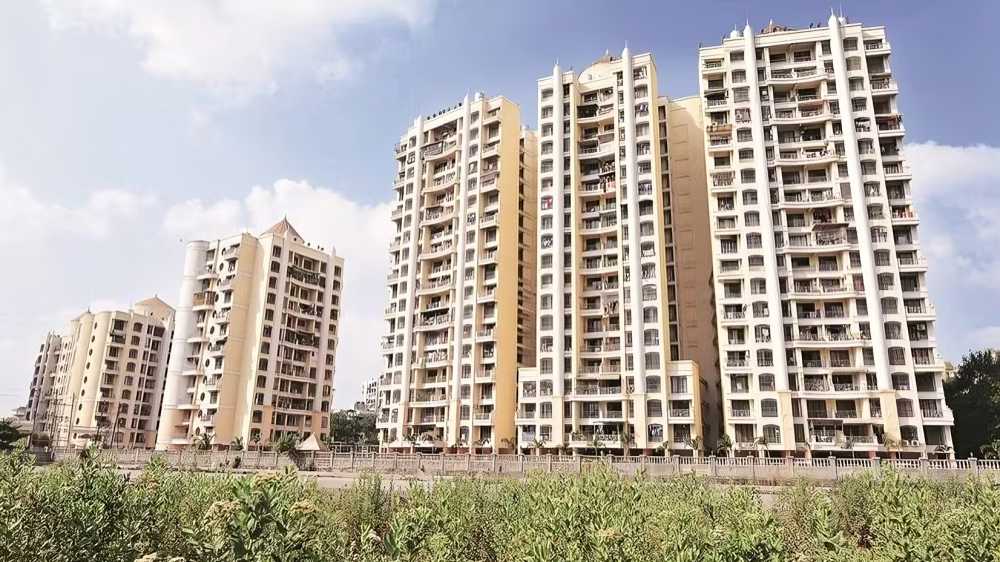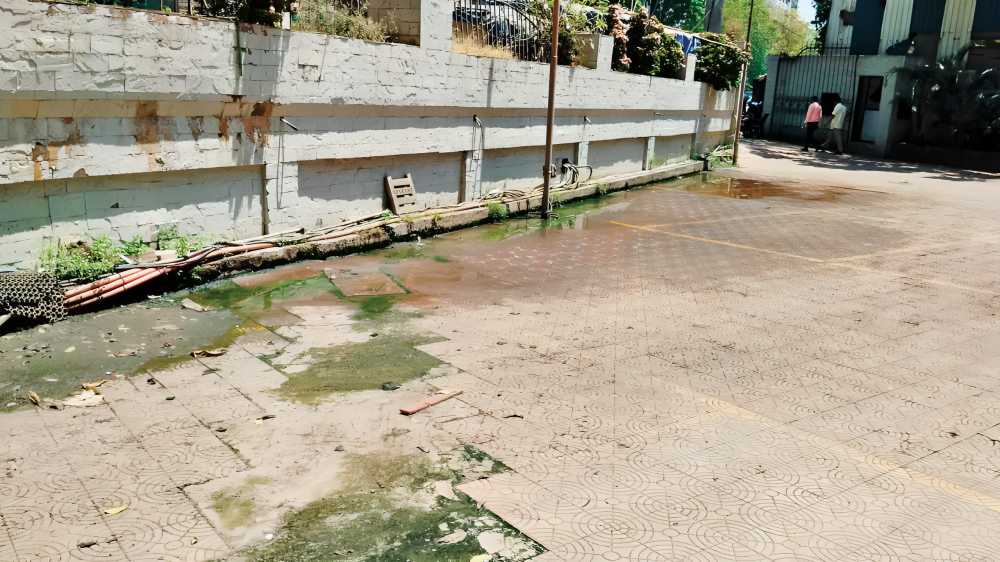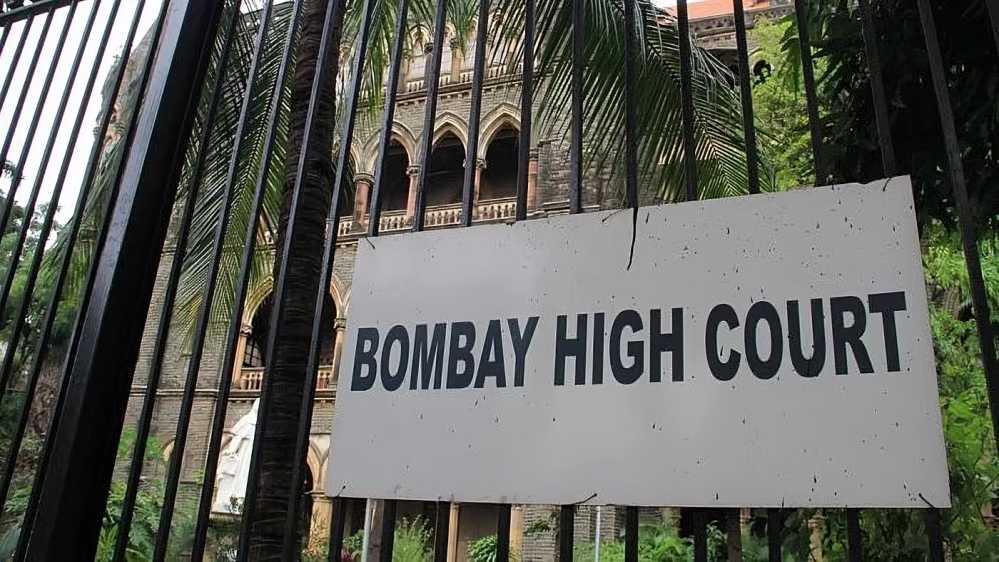

The Bombay High Court has turned down the Maharashtra government’s claim over a 193-acre land parcel in Thane’s Manpada-Chitalsar belt, ruling that its acquisition as private forest land was legally flawed. The state had challenged a 2017 decision of the Maharashtra Revenue Tribunal, which held that the takeover process did not meet statutory requirements.
A division bench of Justices Ravindra V. Ghuge and Ashwin D. Bhobe found significant procedural lapses in the acquisition notice issued in the mid-1970s under the Maharashtra Private Forests (Acquisition) Act. The court observed that the notice lacked the signature of a competent authority and had not been properly served on the rightful landowner, M/s D. Dahyabhai and Co. Pvt. Ltd. Instead, it was addressed to another entity and signed by a forest guard without the authority to initiate such action. Given these deficiencies, the bench held that the acquisition could not be considered valid.
The government had argued that the tribunal overstepped its authority by examining the full 193-acre tract when the original notice mentioned only about 24 acres. The High Court rejected this submission, stating that the tribunal was justified in scrutinising the legality of the entire process and that its findings were supported by records.
During hearings, it emerged that nearly 104 acres are already with the Thane Municipal Corporation and have been utilised for public amenities, including a 40-metre road, a bus depot, and land reserved for a park, school, maternity home and metro rail project. Portions are also earmarked for a twin tunnel initiative nearing completion.
The court clarified that administrative use of the land cannot rectify procedural illegality. It directed TMC to compensate the landowner through Transferable Development Rights (TDR) or Development Rights Certificates (DRC) within 21 days, observing that withholding compensation despite public use would infringe constitutional property safeguards.
Source: Prop News Time