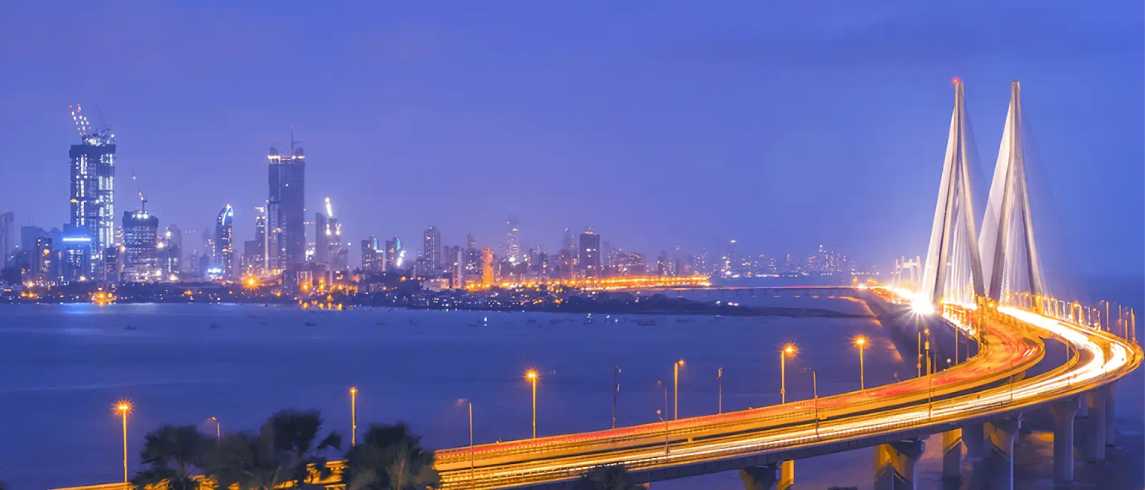

Despite rising geopolitical tensions and volatility in global financial markets, Mumbai’s real estate sector continues to attract steady investor interest. Strong domestic demand, limited land availability and ongoing infrastructure expansion are helping the city’s property market maintain stability even as global economic conditions remain uncertain.
Conflicts in parts of the Middle East and broader global tensions have contributed to fluctuations in oil prices and financial markets worldwide. These developments can influence construction costs and capital flows in real estate. However, analysts note that Mumbai’s property market has so far remained relatively insulated from such external pressures.
Domestic homebuyers remain the primary drivers of demand, particularly in the mid-income and premium housing segments. Regulatory reforms such as the Real Estate Regulatory Authority (RERA) have also strengthened transparency and increased buyer confidence across the sector.
As India’s financial capital, Mumbai benefits from a diverse demand base that includes professionals, entrepreneurs, high-net-worth individuals and multinational companies. This broad mix of buyers and tenants helps the city’s property market remain resilient even during periods of global uncertainty.
Across the Mumbai Metropolitan Region (MMR), several micro-markets are gaining attention from investors due to infrastructure improvements and better connectivity.
Navi Mumbai is emerging as a key growth hub, supported by the upcoming Navi Mumbai International Airport, improved metro connectivity and the Mumbai Trans Harbour Link. Relatively lower property prices compared to central Mumbai have made the area attractive for both investors and end-users seeking long-term value.
Thane has also evolved into one of the region’s most active residential markets. Improved road networks, expanding metro connectivity and well-developed social infrastructure have strengthened its appeal for a wide range of buyers.
In contrast, Worli continues to remain a preferred luxury residential destination. Its proximity to South Mumbai’s business districts and premium sea-facing developments sustain demand among affluent buyers seeking long-term asset value.
Bandra Kurla Complex (BKC) has firmly established itself as Mumbai’s primary financial district. The presence of multinational companies and financial institutions continues to drive demand for Grade-A commercial real estate, while nearby residential areas also benefit from the district’s growth.
Major infrastructure projects such as the Mumbai Trans Harbour Link, Coastal Road, expanding Metro networks and the Navi Mumbai International Airport are expected to further strengthen connectivity across the region.
With strong fundamentals, continued urbanisation and infrastructure-led growth, Mumbai remains one of India’s most stable real estate markets for long-term investors.
Source: Realty Plus