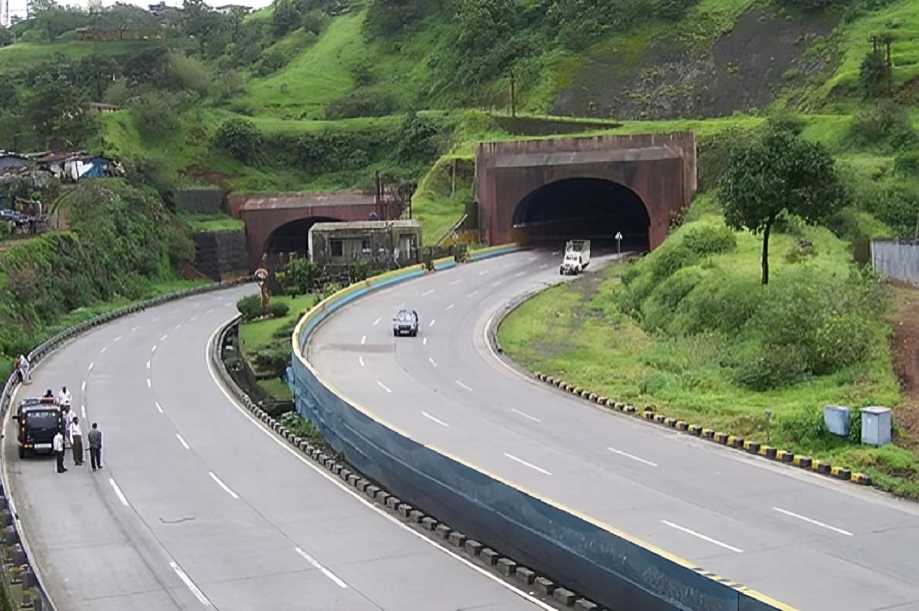

The Maharashtra government’s plan to expand the Pune–Mumbai Expressway into a 10-lane superhighway has reached the final stage of technical review and is awaiting approval from the state cabinet.
According to officials from the Maharashtra State Road Development Corporation (MSRDC), the proposal is currently undergoing an independent technical evaluation by Veermata Jijabai Technological Institute (VJTI). The institute has been assigned to conduct a third-party assessment to examine the project’s design and overall feasibility, as reported by The Times of India.
The review is expected to serve as the last technical scrutiny before the proposal is submitted to the cabinet’s infrastructure committee, which is chaired by the chief minister.
“The third-party assessment will be the final technical and feasibility review before the cabinet consideration. Once the cabinet clears it, the work can begin. Its implementation will take about four years,” a senior official of MSRDC was quoted as saying.
Earlier this month, the detailed project report (DPR) for the expansion was submitted. The proposal outlines plans to upgrade the existing 94.6-kilometre access-controlled expressway from eight lanes to ten lanes.
“This is an upgrade from our earlier eight-lane proposal. The 10-lane project will cost around Rs16,000 crore. The land acquisition cost pegged is at approximately Rs200 crore,” the official said.
Since its inauguration in 2002, the expressway has become one of the busiest road corridors in the state, currently handling close to one lakh vehicles daily. Traffic volumes often exceed this figure during weekends and holiday seasons.
Officials noted that vehicle traffic on the route has been growing steadily at an annual rate of about 5–6 percent, increasing the pressure on the existing infrastructure and highlighting the need for capacity expansion.
The project is likely to be financed through financial institutions rather than direct funding from the state government, possibly under an annuity-based model involving deferred payments.
Authorities are also considering extending the existing toll agreement, which currently remains valid until 2045, to help ensure the project’s financial viability.
Land acquisition requirements are expected to remain limited, with additional land mainly needed around six tunnel zones, including Kamshet, Khandala, Adoshi, Madap and Bhatan.
Source: Swarajya