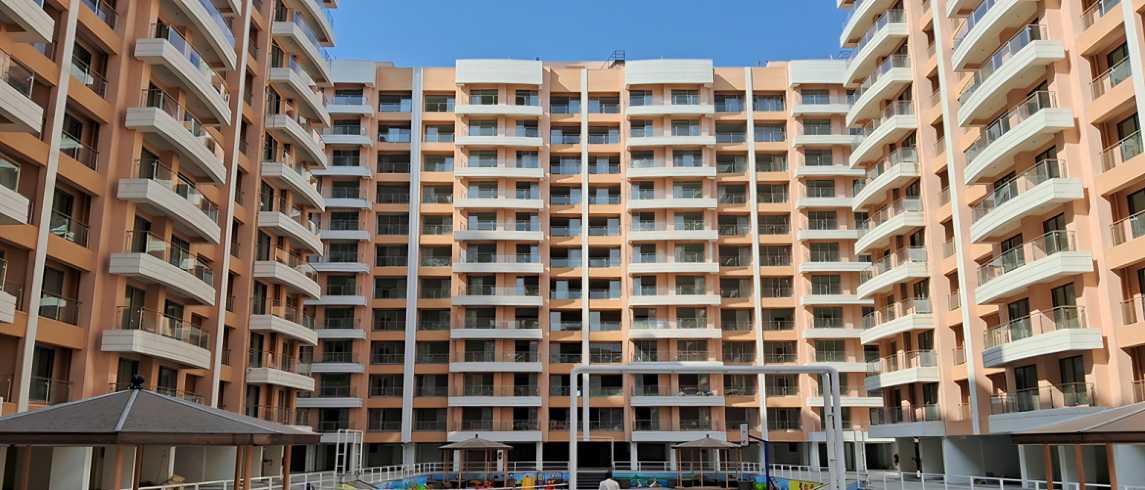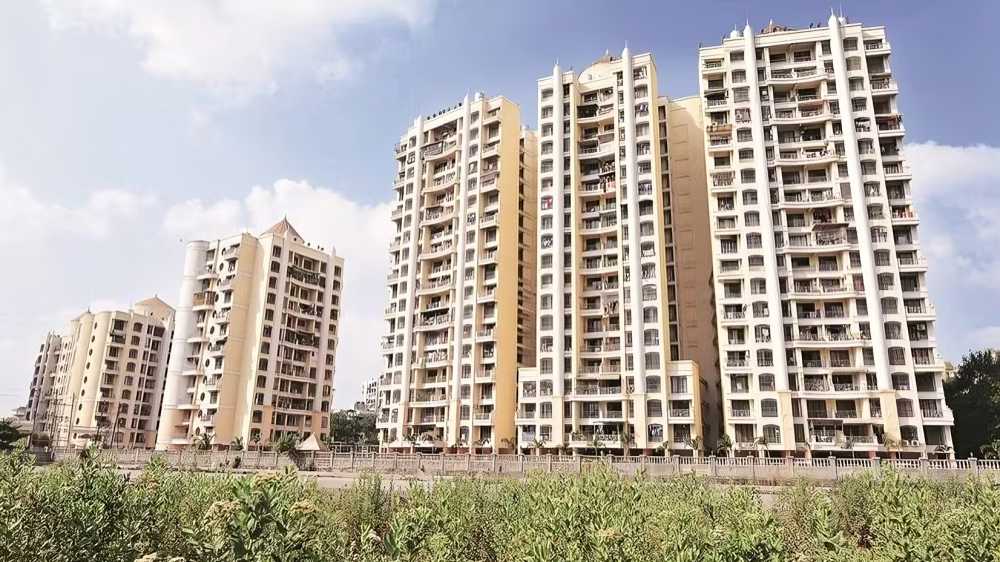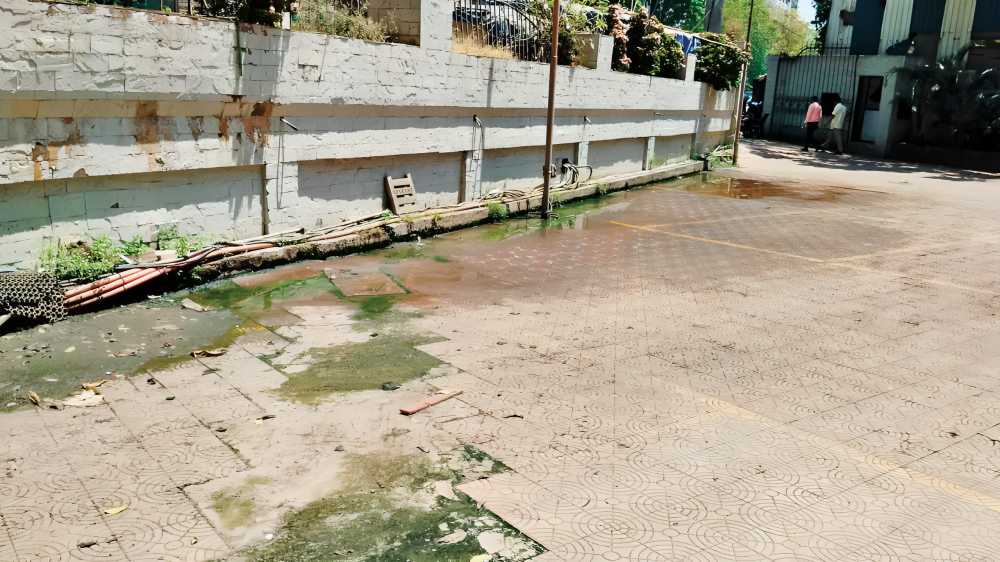

Across Maharashtra, many ageing residential buildings are being considered for redevelopment as housing societies seek to address structural deterioration and upgrade amenities. However, redevelopment is governed by a structured legal framework designed to ensure transparency and safeguard the interests of residents.
As per government guidelines issued on January 3, 2009, cooperative housing societies must follow a defined process before beginning redevelopment. The process starts when at least 25% of society members submit a written request to the secretary proposing redevelopment of the building. Once the request is received, the society’s managing committee must decide within eight days. If the proposal is accepted, a general body meeting must be convened within one month, with members receiving written notice at least 14 days in advance.
Before this meeting takes place, the society must appoint a qualified architect. The managing committee is required to invite quotations from architects with at least five years of professional experience. The architect selected must be empanelled with a government or local authority and will be responsible for preparing a project report.
During the general body meeting, members discuss the redevelopment proposal, appoint the architect and select a project management consultant. The scope of work and responsibilities of these professionals are also finalised at this stage. For the meeting to be valid, at least 75% of society members must be present to form a quorum. If the quorum is not achieved, another meeting may be held within eight days; if attendance remains insufficient, the proposal is considered cancelled.
The proceedings must be recorded in the society’s register, and copies of the minutes must be shared with all members and submitted to the registrar’s office.
After the appointment, the architect must receive an official letter within 15 days and begin preparing a detailed project report outlining the redevelopment plan. Members are then invited to submit suggestions or objections, which are reviewed before the final draft is prepared.
Once the report is finalised, the society invites bids from developers interested in undertaking the project. The management committee reviews these proposals with the architect’s assistance, and the most suitable offer is shortlisted.
The final selection of the developer takes place in a special general body meeting in the presence of a representative from the Registrar of Cooperative Societies. The meeting must be recorded through photographs or video, and at least 75% of members must be present for the decision to be valid.
After approval, a development agreement is drafted according to the architect’s recommendations and the society’s requirements. The agreement must then be legally registered. Society members can obtain copies of the agreement, approved building plans and related documents by paying the prescribed fee.
Experts note that strict adherence to these legal procedures and transparent decision-making are crucial to protecting the interests of residents and ensuring successful redevelopment outcomes.
Source: News18