
A newly launched housing redevelopment fund focused on projects in Mumbai has secured more than Rs 1,000 crore in investor commitments within a few months of entering the market, reflecting continued institutional interest in one of the city’s most challenging yet transformative real estate sectors.
The Category II Alternative Investment Fund (AIF) has been created through a partnership between a real estate investment platform and an established property developer. The fund is designed to channel capital into residential redevelopment projects across Mumbai, where rebuilding ageing housing societies has become a key strategy to expand housing supply.
The fund aims to raise a total of Rs 1,250 crore and has already secured around Rs 1,030 crore from investors soon after its launch in late 2025.
Early investor interest highlights how redevelopment has emerged as a critical component of Mumbai’s housing strategy. With limited land available for new greenfield projects, the city increasingly depends on redeveloping older residential buildings and low-rise structures to create modern homes while improving urban infrastructure.
Market experts say that well-funded redevelopment platforms could help accelerate such projects, which often face financial and operational challenges. These developments typically require substantial upfront investment, lengthy regulatory approvals and extensive coordination with existing residents.
Institutional investment platforms are increasingly playing a crucial role by providing structured equity capital to developers. This funding support helps reduce financial risk and improves the ability to execute projects within planned timelines.
A senior executive associated with the investment platform said the fund’s strategy focuses on redevelopment opportunities backed by genuine end-user demand rather than speculative land acquisitions. This reflects a growing preference among investors for projects tied to real housing demand in established neighbourhoods.
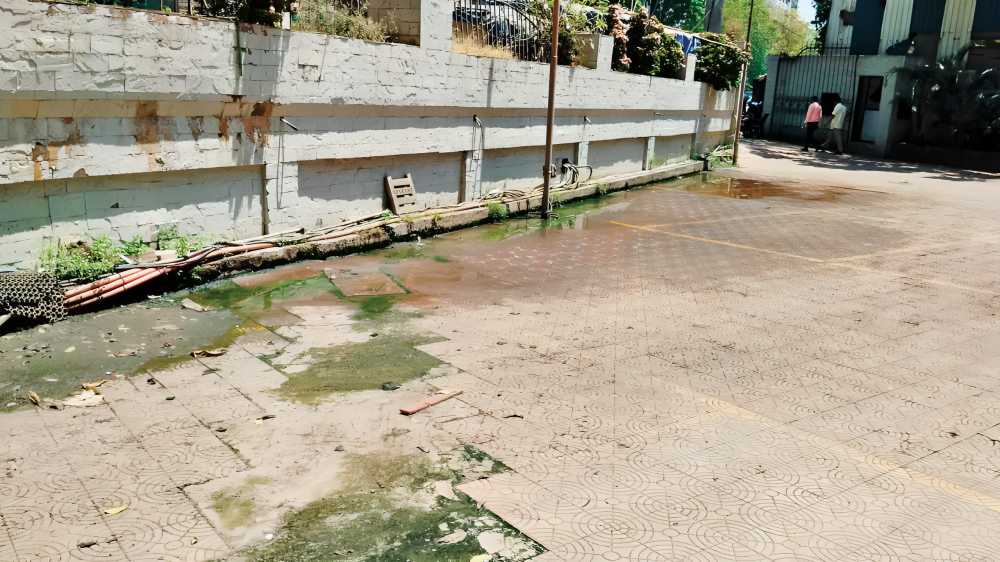
Urban planners note that redevelopment is not just a real estate opportunity but also an important tool for city renewal. Many residential buildings in Mumbai are several decades old and face structural wear, outdated infrastructure and vulnerabilities to climate risks such as flooding and heavy rainfall.
Redevelopment projects can introduce stronger building safety standards, energy-efficient construction and improved drainage and civic infrastructure. However, experts caution that such projects must balance financial feasibility with social considerations. Redevelopment often requires temporary relocation of existing residents, making transparency and community engagement essential.
Analysts believe the strong response to the fund’s initial fundraising phase could encourage similar investment platforms in other ageing metropolitan markets in India, where land scarcity and older building stock present significant opportunities for urban renewal.
Source: Homes & Buildings