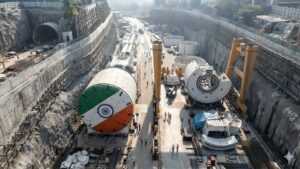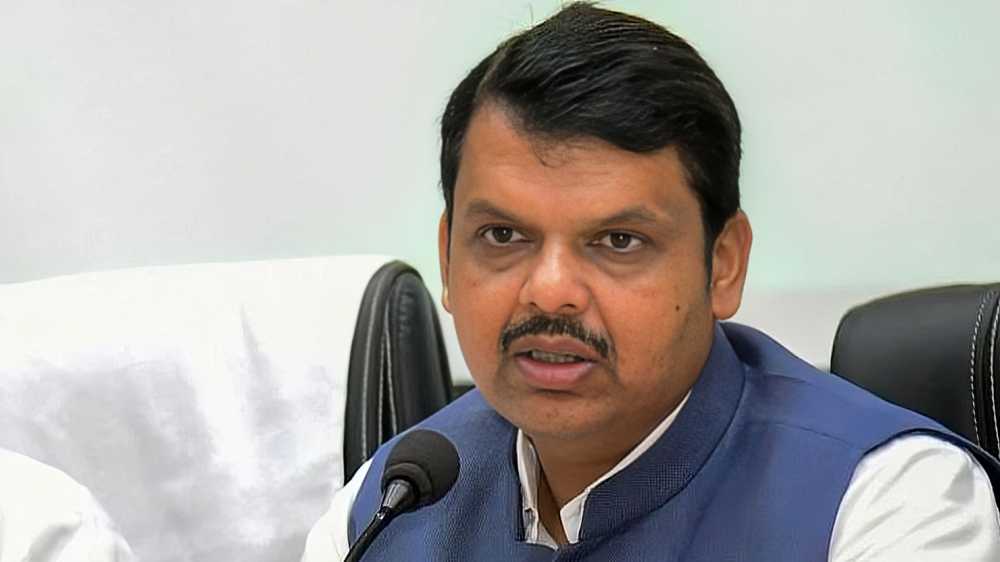

The Maharashtra Cabinet Committee on Infrastructure, chaired by Chief Minister Devendra Fadnavis, has granted in-principle approval for the proposed Neral–Shirur highway, a project aimed at reducing congestion on the busy Mumbai–Pune Expressway. The new route is expected to offer an alternative travel corridor for vehicles moving between different regions of the state.
The proposed highway will originate from Karjat–Neral in Raigad district and extend to Shirur on the Pune–Ahilyanagar Highway. Once completed, the route will improve connectivity and provide a convenient link for traffic heading towards Pune and other parts of Maharashtra. Officials have been directed to begin the process of obtaining necessary approvals and arranging financial provisions to move the project forward.
The infrastructure committee held its meeting on Wednesday at Vidhan Bhavan, Mumbai. Among those present were Deputy Chief Minister Sunetra Ajit Pawar, Public Works Minister Shivendrasinhraje Bhosale, Chief Secretary Rajesh Agrawal, and several senior officials including Additional Chief Secretaries Milind Mhaiskar, O. P. Gupta, Aseem Gupta and Ashwini Bhide, along with Principal Secretary Shrikar Pardeshi.
Given the steady rise in traffic and the projected growth in vehicle numbers, the committee also examined technical proposals for a six-lane elevated corridor along with a four-lane surface road between Pune and Shirur. The proposed corridor is expected to enhance road capacity and streamline traffic movement along the route.
During the meeting, Chief Minister Fadnavis also instructed officials to ensure that the construction of the new Legislature complex in Nagpur is completed by 2028. The project will include a main building housing the Assembly and Legislative Council halls along with a central hall, in addition to a separate administrative building.
The new complex will be developed at the location of the existing structure built in 1920. Plans include dedicated halls for legislative proceedings, committee rooms, media facilities and other administrative infrastructure required for government functioning.
The four-storey main Legislature building is estimated to cost ₹662 crore, while ₹339 crore has been earmarked for the administrative block. The new Assembly hall will have seating for 400 members, the Legislative Council hall will accommodate 120 members, and the central hall will have a seating capacity of 700.
Source: The Free Press Journal