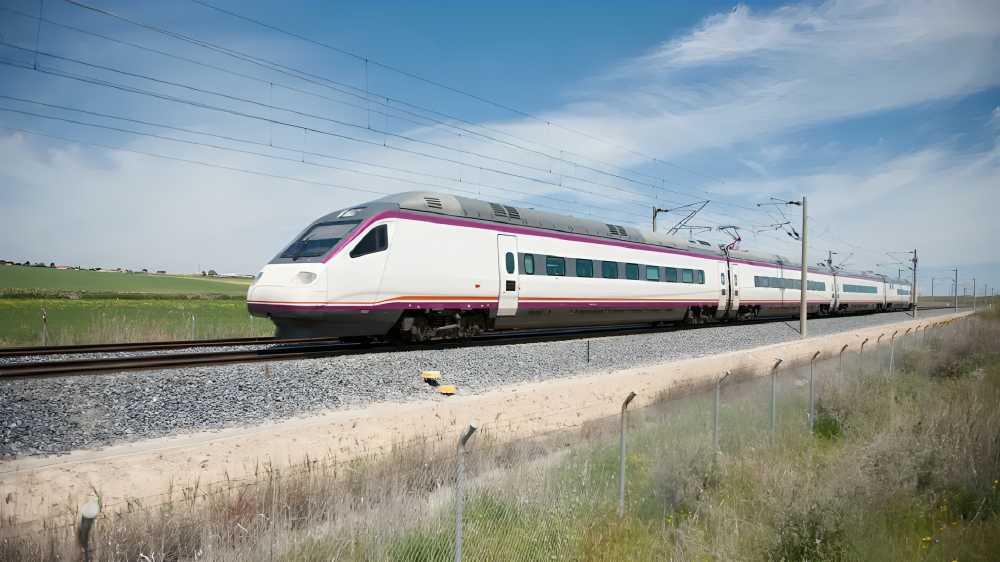

The upcoming stations along the Mumbai-Ahmedabad High-Speed Rail corridor are being designed with a strong focus on integrated connectivity, as authorities move to link the high-speed rail network with existing urban transport systems.
Officials said that Multi-Modal Integration (MMI) facilities, along with well-planned station plazas, are being incorporated to enable smooth transitions between the Bullet Train and other transport modes such as buses, taxis, private vehicles, and intermediate public transport. The objective is to create efficient transit hubs that simplify passenger movement and enhance travel convenience.
This approach is expected to address the long-standing issue of last-mile connectivity by allowing commuters to switch seamlessly between different modes of transport. Station layouts are being planned to ensure organised passenger flow, minimise congestion, and improve accessibility at entry and exit points.
Beyond transit functionality, station plazas are being envisioned as vibrant public spaces. These zones will include designated parking areas, structured pick-up and drop-off points, pedestrian-friendly walkways, and improved streetscapes. Additional features such as modern lighting, clear signage, CCTV surveillance, landscaping, and plantation are also part of the design, aimed at improving safety and the overall commuter experience. Public amenities and fire safety infrastructure are being integrated into the plans as well.
The National High Speed Rail Corporation Limited (NHSRCL), which is overseeing the project, has already awarded contracts for MMI and station area development at several Gujarat stations, including Surat, Bilimora, Vapi, Bharuch, Anand, and Vadodara.
Construction across these stations is progressing at different stages, with structural work largely completed at many locations and finishing, electrical, and systems installation work currently underway, indicating steady progress toward operational readiness.
Source: Mid-day