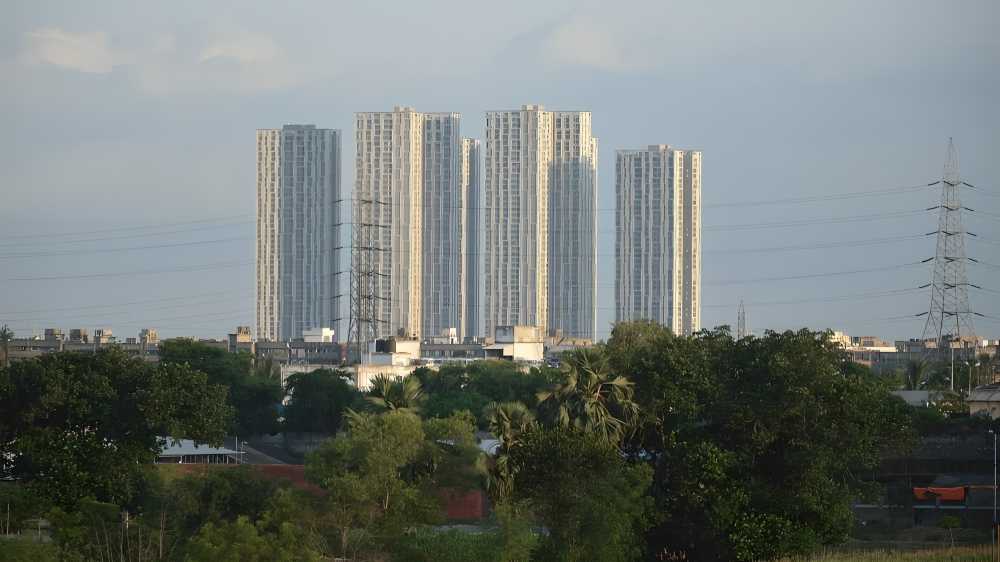

Mumbai has emerged as the world’s most active centre for skyscraper development, surpassing major global cities in the number of high-rise buildings currently under construction. This trend reflects not only a construction boom but also a broader shift in how densely populated cities are adapting to limited land availability.
Recent data from global tall building trackers shows that over 200 skyscrapers—defined as buildings taller than 150 metres—are currently being developed across the city. This places Mumbai ahead of global hubs such as Tokyo, Dubai, Shenzhen, and New York City, which have traditionally led vertical urban growth.
Urban planners attribute this surge to a combination of land scarcity, evolving regulations, and sustained housing demand. With limited room for horizontal expansion due to geographic constraints, Mumbai has increasingly turned to vertical development. Policy changes, including higher floor space index (FSI) allowances and redevelopment incentives in older neighbourhoods, have further accelerated this shift.
The transformation is not limited to the city alone. Nearby urban centres such as Thane and Navi Mumbai are also witnessing a rise in high-rise construction, signalling a broader decentralisation of growth across the Mumbai Metropolitan Region.
However, the rapid pace of development raises concerns about infrastructure readiness. Increased density is putting pressure on transport systems, water supply, waste management, and air quality. Experts caution that vertical expansion must be supported by robust infrastructure and sustainable planning.
While skyscrapers can optimise land use and boost economic activity, they may also push up property prices, widening affordability gaps. As Mumbai continues to dominate global high-rise construction, the focus is expected to shift towards sustainability, inclusivity, and long-term urban resilience.
Source: Urban Acres