
By Roopa Pant
Homes in 2026 are moving toward a more lived-in and intuitive aesthetic. The dominance of stark minimalism is fading, making room for spaces that prioritise comfort, warmth, and individuality. Design choices are becoming more deliberate—focusing on texture, light, and functionality rather than overt statements.
With the first quarter coming to a close, this evolution is clearly visible in how homes are being designed and experienced. Architects and interior designers point to a growing preference for spaces that feel adaptable, understated, and deeply personal. To understand what’s driving these choices, we spoke with designers working at the forefront of these shifts.
Layered, Functional Spaces Are Taking Priority
Designers working closely on residential projects say this change is most visible in how homes are now being planned. One of the strongest shifts, they say, is the move away from purely visual styling toward interiors that balance comfort with practicality.
For Ar. Rahul Dodthi, Manager Architect at Avighna India, the most noticeable trend in 2026 is the rise of layered interiors that combine usability with aesthetics. Rather than focusing only on how a space looks, homeowners are increasingly prioritising how it functions on a daily basis.

“There’s a clear shift towards layered, functional design. Spaces now need to balance aesthetics with usability,” says Ar. Rahul Dodthi, Manager, Architect at Avighna India.
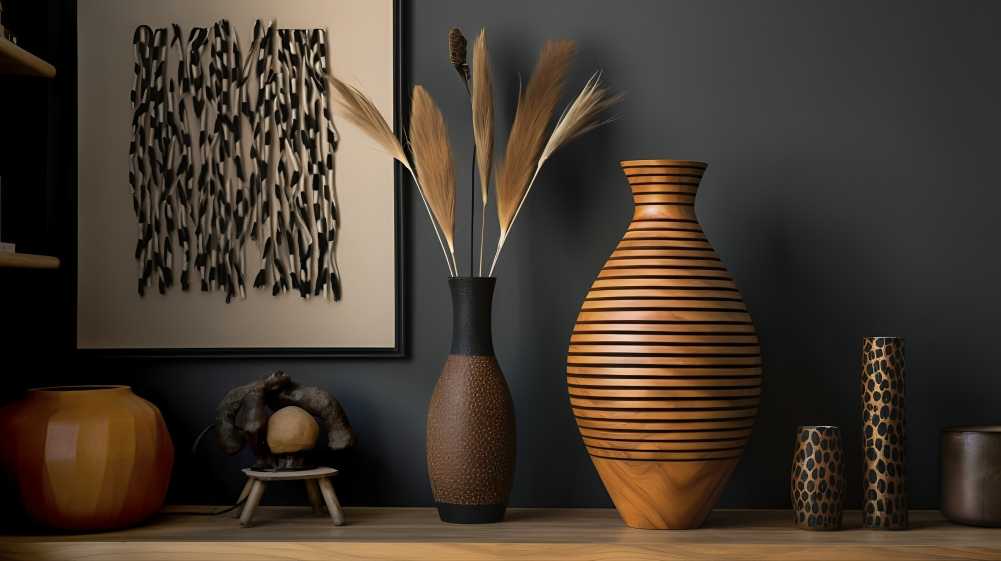
According to him, homeowners are now paying far more attention to how a space functions daily. “We’re seeing more integrated storage, cleaner detailing, and a much stronger focus on tactile materials,” he explains. Textured laminates, subtle metal inlays, and fluted finishes used more selectively are slowly replacing purely decorative styling.
Lighting, he adds, is also undergoing a noticeable shift. “Earlier, lighting was treated like the last step in the design process. Now it’s becoming one of the key design drivers that defines the mood of a space,” he says.
When it comes to colour palettes, Dodthi believes warmer tones are clearly taking over. “Warm neutrals are still dominating, but now they’re being layered much more thoughtfully. Taupes, beiges, and muted browns are being paired with softer greens or earthy terracotta shades instead of sharp contrasts.”
At the same time, he believes some trends are already losing relevance. “Interiors dominated by stark whites and greys, excessive minimalism without warmth, and repetitive use of fluted panels are starting to feel dated,” he says. Overly thematic interiors, he adds, are also losing appeal because homeowners now want spaces that can evolve over time.
For those looking to update their homes without a full renovation, his advice is simple. “Small changes can make a big difference. Improving lighting layers, changing hardware finishes, or introducing one strong material like veneer or natural stone can instantly elevate a space.”
Minimalism Is Becoming Softer and More Organic
While functionality is shaping how homes are being planned, the visual language of interiors is also evolving. Interior designer Koshaa Kaji, Founder of StudioSixteen, believes 2026 is not about abandoning minimalism but redefining it.
“The biggest shift this year is minimalism that focuses on how a space feels, not just how it looks,” she says. According to her, rigid lines and sharp silhouettes are slowly being replaced by softer, more organic forms. “Furniture with rounded, pebble-inspired shapes is becoming more popular because it makes spaces feel calmer and more relaxed while still looking luxurious,” she explains.
Koshaa also points to the growing presence of invisible technology in high-end homes. “Smart systems are now being integrated very subtly. Instead of being visible design elements, they are becoming part of the background,” she says.
In terms of colour trends, she sees a clear movement toward earthy tones. “Latte browns, terracotta, and deeper espresso shades are being used more as base colours, while muted sage and olive tones are being added as accents that connect interiors with nature.”
However, she also believes some trends have already reached saturation. “The white bouclé sofa, for example, became so popular that it now risks feeling repetitive,” she says. Similarly, fluted wood panels used everywhere are slowly being replaced by smoother finishes such as micro-cement or lime-wash textures.
For homeowners looking for quick updates, her suggestion is to focus on texture rather than adding more décor. “Replacing basic fabrics with heavier linens or raw silks, upgrading cabinet hardware, or choosing one strong statement piece instead of multiple small items can completely change the look of a room,” she says.
Moving Away from Trend Replication
Both designers agree that one of the biggest design mistakes today is blindly replicating trends seen on social media. Elements such as excessive LED lighting, overly layered false ceilings, and decorative niches used without context are increasingly being viewed as clichés rather than design statements.
Koshaa also highlights another design choice that is gradually disappearing from homes in 2026. Literal word art used as décor is slowly losing relevance. Interiors today are moving away from overt visual messaging and toward more subtle expressions of personality through materials, textures, and carefully curated objects. Similarly, mass-produced abstract art and predictable coffee-table book stacks are losing appeal among homeowners looking for more authentic and distinctive interiors.
A Year Defined by Subtle Transformation
If the first three months of 2026 are any indication, the year will not be defined by one dramatic décor trend. Instead, it reflects a quiet but meaningful transformation in the way homes are being designed. Comfort is becoming more important than perfection, individuality is replacing trend replication, and warmth is slowly replacing the cold precision of earlier design styles.
Rather than chasing short-lived aesthetics, homeowners are increasingly investing in designs that feel balanced, adaptable, and relevant to their lives. In that sense, 2026 may not be about following trends at all—it may simply be about creating homes that feel personal, thoughtful, and truly lived in.