
Escalating tensions in West Asia are beginning to impact real estate prices in the Mumbai Metropolitan Region, with rising input and logistics costs increasing overall project expenses. According to a report by Anarock Group, the disruptions have already added nearly Rs 50 per sq ft to the cost of high-rise construction.
The increase is largely attributed to supply chain disruptions, particularly in the Strait of Hormuz, a critical global shipping route. Developers are expected to eventually pass on these additional costs to homebuyers, especially in the affordable and mid-income housing segments.
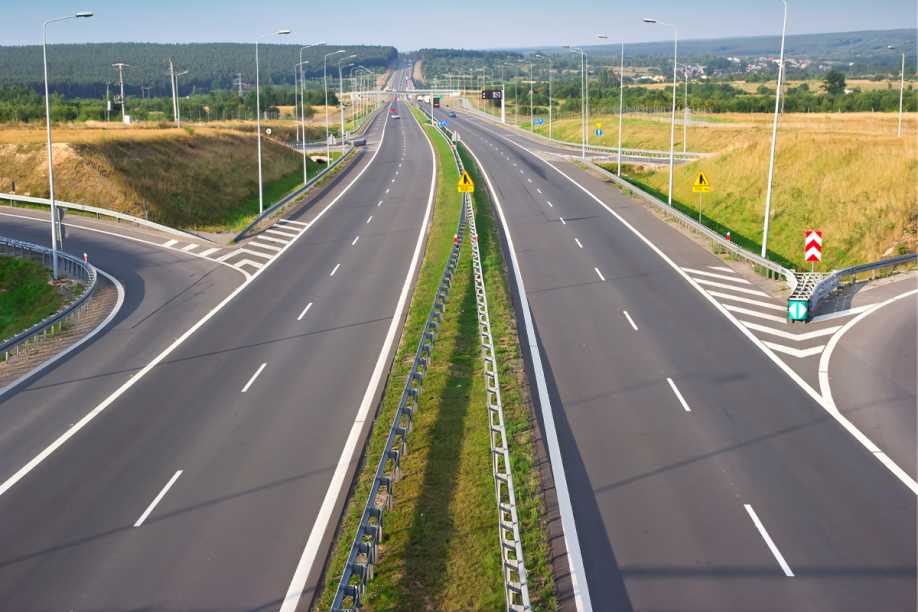
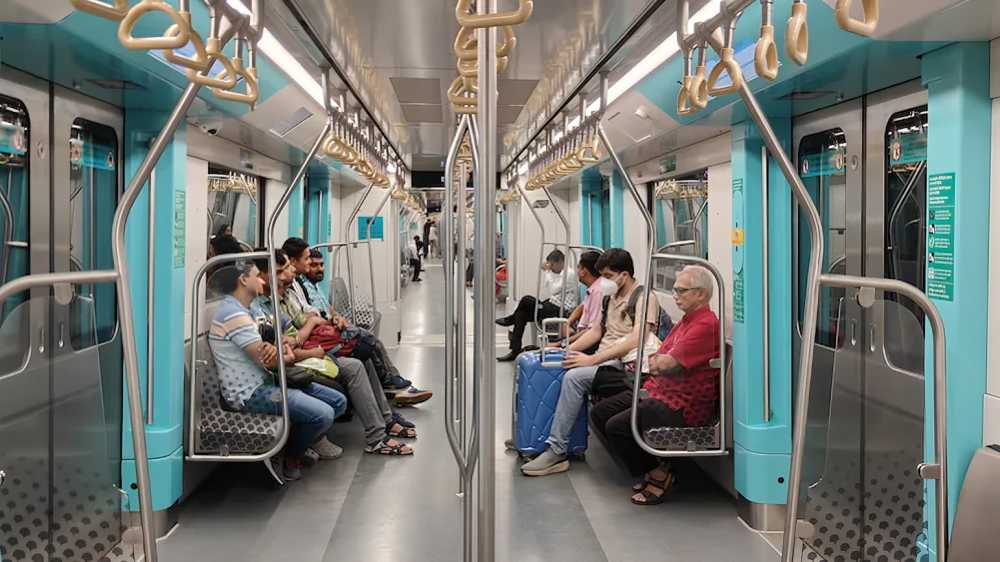
Key construction materials have witnessed sharp price hikes. Steel rates have jumped around 20%, from Rs 62 to Rs 72 per kg, while hot rolled coil is currently priced between Rs 51 and Rs 56 per kg, with further increases likely if disruptions continue. Aluminium, widely used in facades and infrastructure projects such as metro stations, has surged to Rs 3.5 lakh per tonne due to production cuts in Gulf countries. Bitumen, essential for road construction, is now priced at Rs 48 to Rs 51 per kg.
The rise in costs is being driven by logistical challenges. With the Strait of Hormuz effectively inaccessible, shipments are being rerouted via the Cape of Good Hope, adding 6,000 to 10,000 nautical miles and delaying deliveries by 10 to 20 days. Freight expenses have increased by Rs 1.5 lakh to Rs 3.5 lakh per container, compounded by higher marine fuel prices of around Rs 1 lakh per tonne, along with additional war-related surcharges and insurance costs.
Keval Valambhia, chief operating officer of CREDAI-MCHI, said, “We are seeing early signs of 5–8% cost pressures, especially in energy-intensive materials and logistics. Segments like tiles and ceramics are already witnessing supply-side stress due to LPG constraints, which could have a cascading effect on finishing timelines.”
While developers are currently absorbing these increases, a prolonged conflict may lead to higher property prices and delays. “Even if the Gulf war ends tomorrow, a full reset will take one to three months… much of the damage to 2026 is, so to say, cast in steel and concrete,” the report noted.
“As of now, contractors are managing the shortages and cost hikes. But we may face a problem down the road,” said an official from the Maharashtra State Road Development Corporation.
Source: The Indian Express