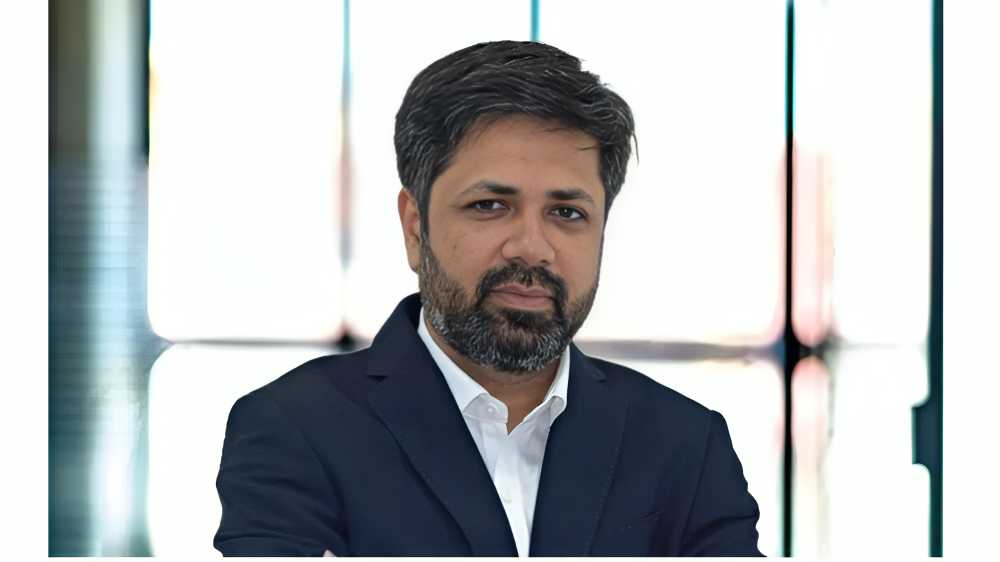

As Indian cities struggle with rising vehicle ownership and limited land availability, efficient parking has become a critical urban challenge—especially in dense metros like Mumbai. In an interaction with Mid-Day Online, Ashish Majithia, Founder and CEO of Nextkraft Parking Technologies, highlighted how automated parking is fast shifting from a premium feature to a basic necessity.
Mumbai currently has over 4 million vehicles but only around 1.5 million organised parking spaces, exposing a significant infrastructure gap. This imbalance has intensified pressure on roads and residential areas. Majithia explained that traditional parking models are no longer viable given the growing density, making vertical and automated systems increasingly relevant.
Founded in 2021, Nextkraft has expanded rapidly, completing over 100 projects and building a strong presence across the real estate sector. The company operates a 40,000 sq ft manufacturing facility, enabling tighter quality control and scalable production.
Majithia noted that early automated parking solutions in India faced reliability and safety concerns due to poor execution and lack of standardisation. This gap led to the creation of Nextkraft, with a focus on engineering precision and end-to-end system control.
“Automated parking is no longer optional; it is a necessity,” he said, emphasising that developers today must prioritise efficient parking to remain competitive. He added that residential and commercial projects are currently driving demand, while public infrastructure such as transit hubs holds significant future potential.
Addressing cost concerns, he pointed out that automated systems can reduce the need for large basements and extensive civil work, making them cost-effective over time. He also stressed that safety remains central, with multiple fail-safe mechanisms and regular maintenance protocols in place.
Looking ahead, Majithia believes electric vehicles and AI-driven systems will reshape parking infrastructure, with features like EV charging, predictive maintenance, and smart access becoming standard. By 2030, he expects parking in cities like Mumbai to evolve into a fully integrated, technology-driven urban solution.
Source: Mid-day