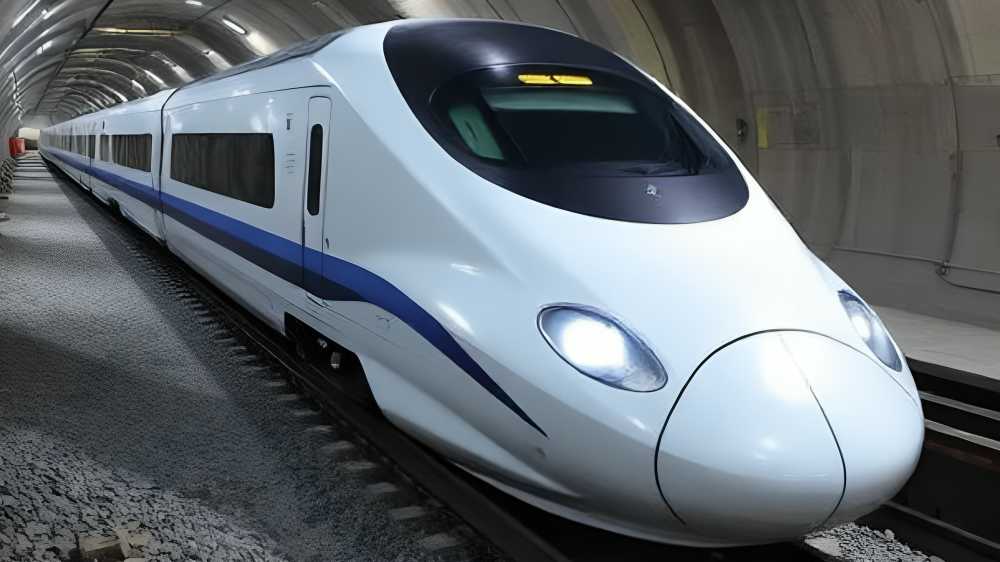

India’s ambitious Mumbai-Ahmedabad High-Speed Rail project is set to enter a critical phase, with underground construction in Mumbai scheduled to begin within the next three months. This development marks a significant step forward for the country’s first high-speed rail corridor, aimed at transforming connectivity between Maharashtra and Gujarat.
The upcoming underground stretch will run between Bandra-Kurla Complex and Shilphata, forming a vital segment of the corridor. Authorities are accelerating preparations and mobilising resources to stay on track, following earlier delays linked to geopolitical issues affecting equipment supply from China.
A key milestone has already been achieved with the arrival of essential components of Tunnel Boring Machines (TBMs) at Mumbai Port. These sophisticated machines, sourced from specialised manufacturers, are designed to tackle the complex geological conditions beneath Mumbai’s dense urban landscape. Their deployment will play a crucial role in executing one of the most technically challenging aspects of the project.
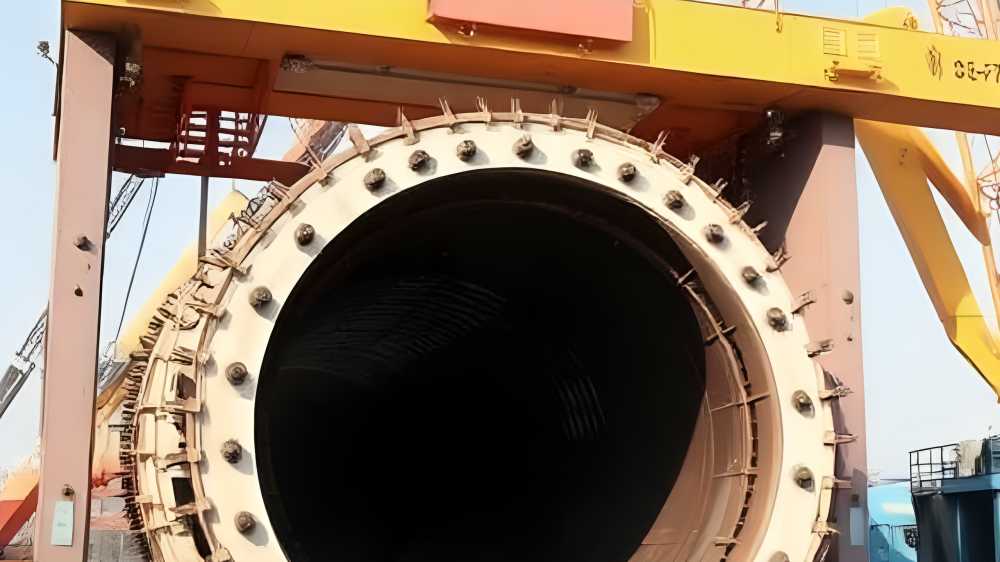
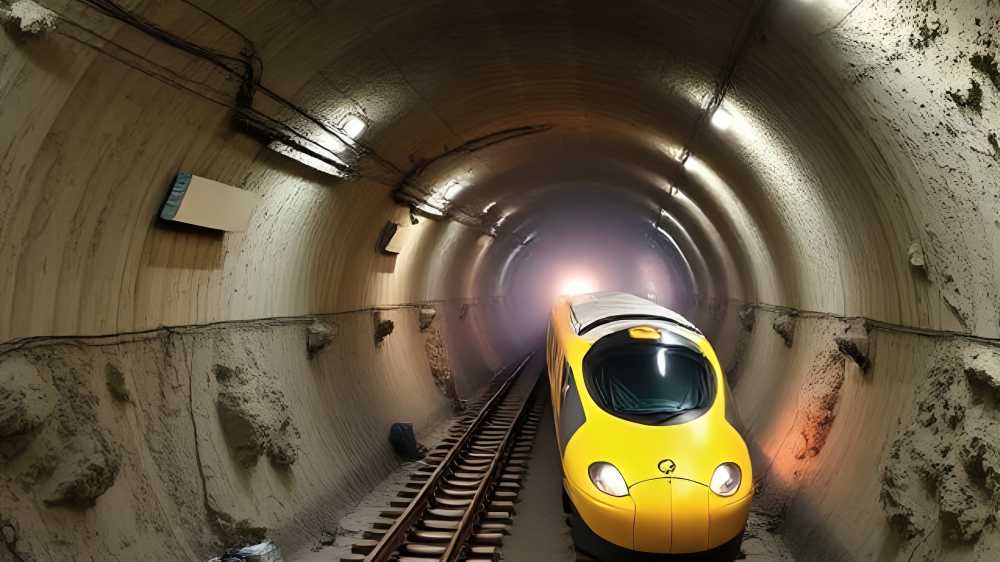
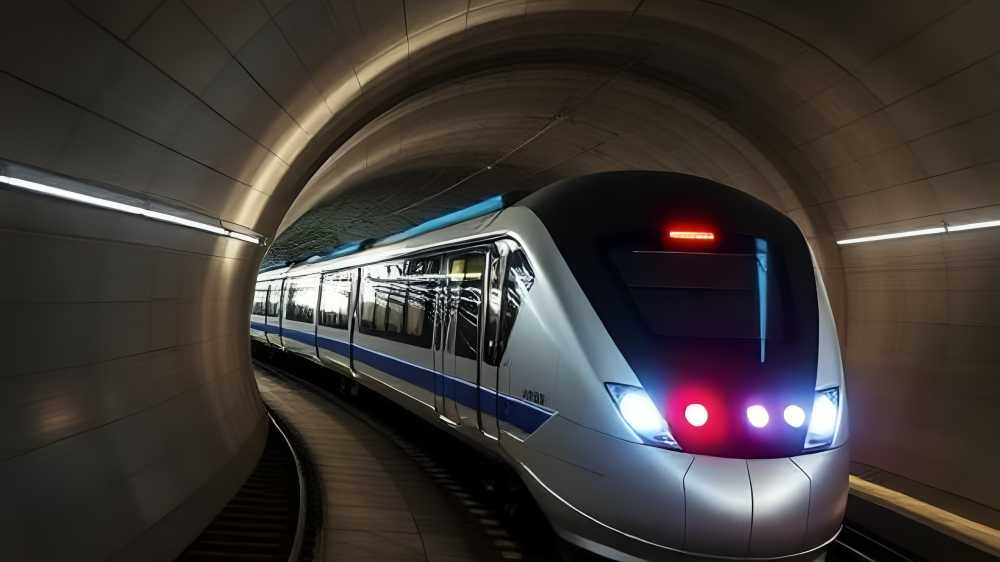
The underground section spans approximately 21 km, including India’s first-ever undersea tunnel—stretching 7 km beneath Thane Creek. This engineering feat will enable the bullet train to pass deep below the seabed, showcasing advanced construction techniques and positioning India among global leaders in high-speed rail infrastructure.
To expedite progress, engineers plan to deploy three massive TBMs simultaneously. These machines will excavate tunnels with a diameter of 13.1 metres, significantly speeding up the construction timeline. The National High Speed Rail Corporation Limited is overseeing the process, ensuring that multiple excavation points operate in parallel.
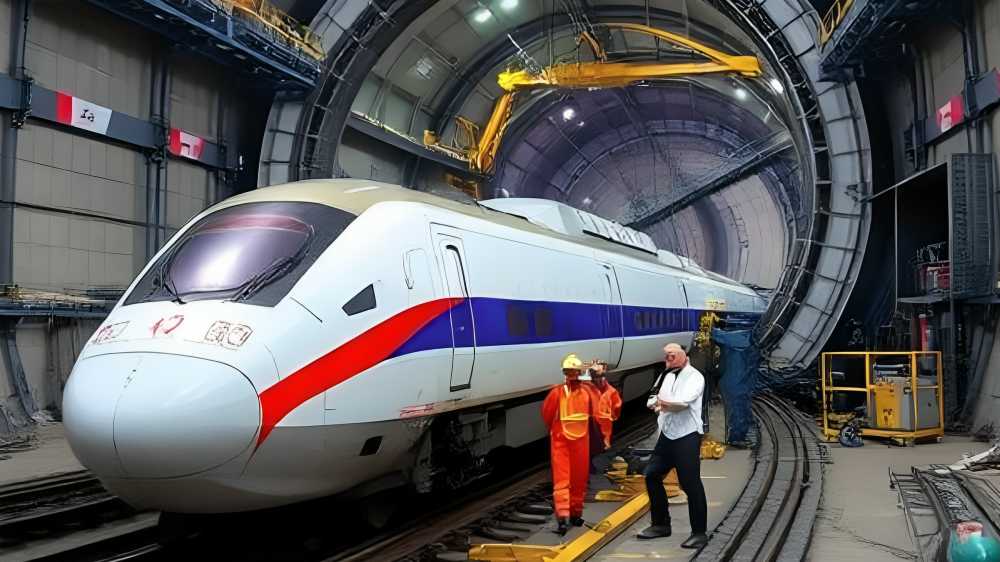
At the BKC station site, which serves as the starting point of the underground route, construction is already underway. The station is being developed deep below ground to facilitate TBM operations and support seamless high-speed rail services.
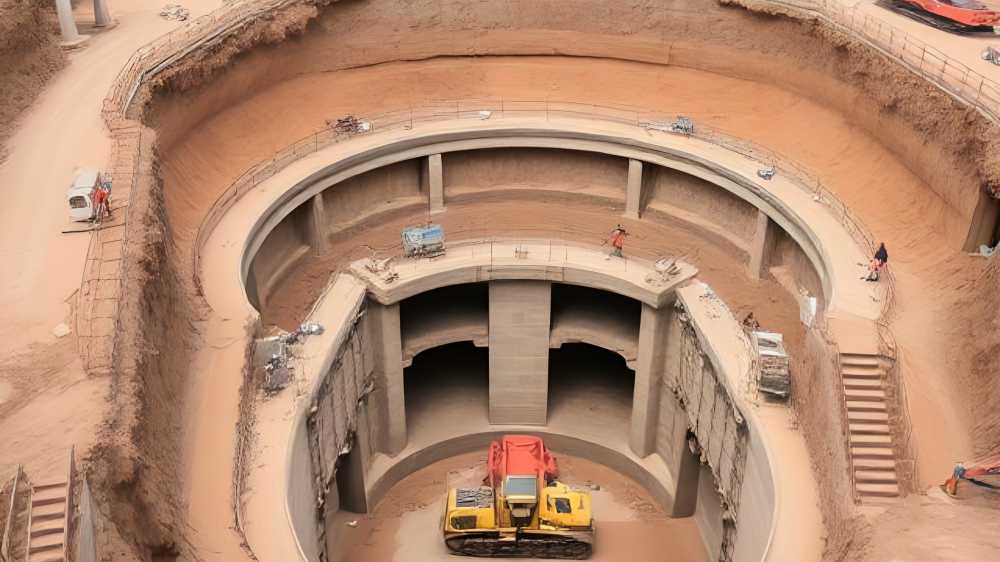
Following their arrival, TBM components are being transported and assembled at designated launch shafts—a complex logistical task requiring heavy-duty planning. Once operational, these machines will begin tunnelling through the earth, marking a new phase in India’s infrastructure journey.
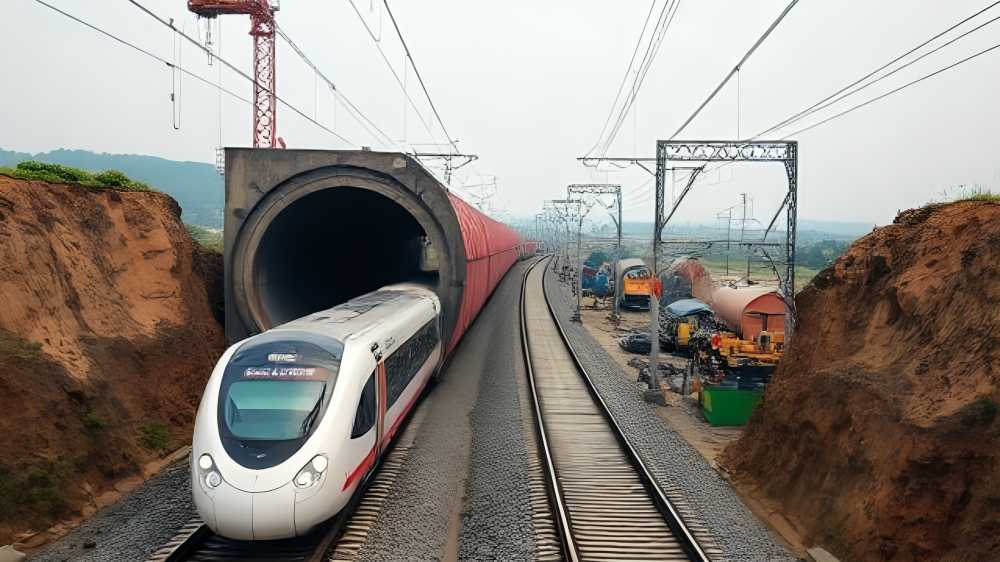
The project aims to cut travel time between Mumbai and Ahmedabad to just two hours, with trains expected to run at speeds of up to 320 kmph. The underground alignment in Mumbai allows the corridor to bypass congested urban zones and environmentally sensitive areas.
Safety remains a top priority, with TBMs equipped with advanced sensors that monitor soil pressure and structural stability in real time, minimising disruption to surface structures.
Beyond connectivity, the project is expected to generate employment and boost local economic activity. It also introduces advanced tunnelling technologies, helping build domestic expertise for future infrastructure developments. As work begins, the project moves India closer to joining the league of nations with world-class high-speed rail systems.
Source: Mumbai Now