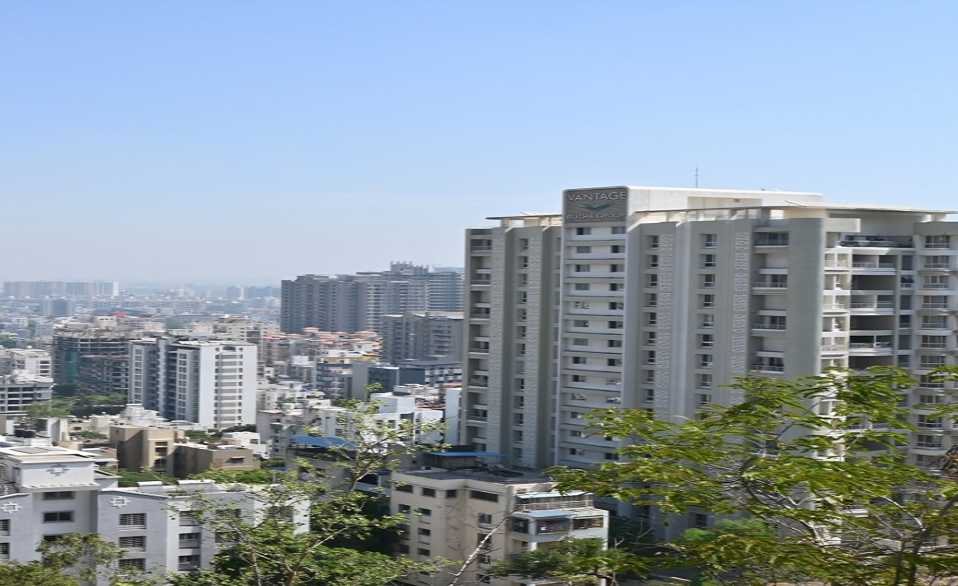

The ongoing Iran–Israel conflict is beginning to impact India’s real estate sector, with Mumbai’s housing market witnessing a rise in construction costs driven by escalating steel prices. Developers, especially in the high-rise and luxury segments, are facing growing cost pressures as global supply chains remain disrupted.
According to estimates by ANAROCK Group, steel prices have jumped nearly 20% to about Rs 72,000 per tonne. The increase is attributed to supply disruptions, higher freight costs and logistical challenges linked to the geopolitical situation. In Mumbai—India’s largest high-rise market—this surge has added approximately Rs 50 per sq ft to construction costs.
Steel plays a critical role in high-rise construction, making it highly sensitive to global price fluctuations. Experts note that the current spike is largely due to disrupted supply chains, increased shipping costs and energy-linked inflation triggered by the conflict.
Prashant Thakur highlighted the broader implications, stating that the Strait of Hormuz blockade since early March 2026 has significantly affected the sector, causing rising material costs, delays in supply and the risk of stalled projects. “At a very rough estimate, this adds approximately Rs 50 per sqft to the cost of building high-rises in Mumbai, which currently has well over 10,000 luxury units under construction. Skyscrapers use ribbed steel rods embedded in concrete to give it tensile strength, and this added cost has a direct correlation to the cost and speed of constructing them,” he said.
Thakur also pointed out that diesel prices, closely linked to Brent crude crossing USD 100 per barrel, are further escalating construction expenses across major cities such as Delhi-NCR and Hyderabad.
The ripple effects are now being felt beyond Mumbai. In Delhi-NCR, construction costs could rise by Rs 40–Rs 60 per sq ft, particularly in high-end developments in Gurugram and Noida. Bengaluru is also witnessing increases in the range of Rs 30–Rs 50 per sq ft.
Despite these pressures, industry leaders maintain that the disruption may be temporary. Shekhar Patel said, “At present, only temporary supply chain disruptions are being observed due to global energy volatility. Certain clusters, such as the marble and tile-manufacturing hub in Morbi, Gujarat, are experiencing short-term challenges owing to fuel supply constraints and elevated logistics pressures. These, however, are transitional in nature.”
However, Patel cautioned that prolonged instability could gradually push up overall project costs, impacting property prices in the coming months.
Source: Money Control