
As Mumbai faces an intense summer with six heatwave warnings already issued this month, concerns are mounting over the city’s limited access to public drinking water. Urban planners and activists argue that expanding hydration infrastructure is critical, especially for pedestrians navigating the city’s heat and humidity.
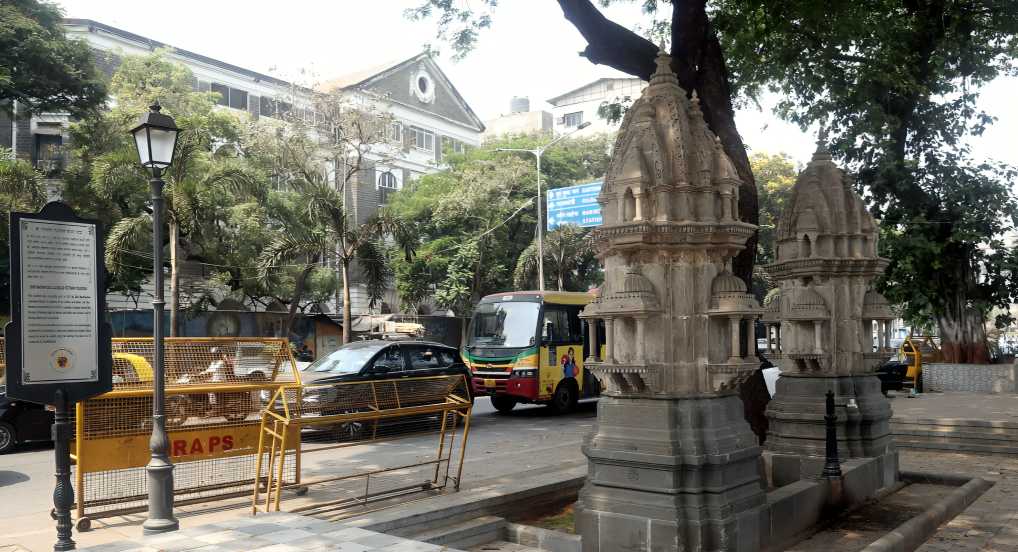
A glimpse into the past offers a potential solution. In Fort, the historic Madhavdas Laxmidas Kothari Pyaav stands as a reminder of a time when public water fountains were more widespread. Though largely overlooked today, the structure continues to serve passersby. On a particularly hot afternoon on March 12, several people paused at the pyaav to drink water and cool off, highlighting its continued relevance.
Such fountains, once an integral part of Mumbai’s urban fabric, provided free drinking water to all—from students and office-goers to daily wage workers. In a city that regularly experiences sweltering summers, these public hydration points offered much-needed relief. However, their presence has dwindled over the decades, leaving a significant gap in basic public amenities.
Currently, Mumbai has only 64 public drinking fountains to serve a population of over 1.3 crore, a number experts say is far from adequate. In contrast, many global cities have invested heavily in accessible water stations across parks, transit hubs and busy streets, ensuring that residents and visitors can stay hydrated during extreme weather conditions.
With heatwaves becoming more frequent and intense, experts believe reviving the century-old pyaav tradition could be both a practical and culturally rooted solution. Restoring and expanding these water kiosks may not only help address immediate public health concerns but also reconnect the city with a legacy of community-driven urban design.
As temperatures rise, the debate over public hydration infrastructure is gaining urgency, with calls for authorities to act swiftly and scale up accessible drinking water facilities across the city.
Source: The Indian Express