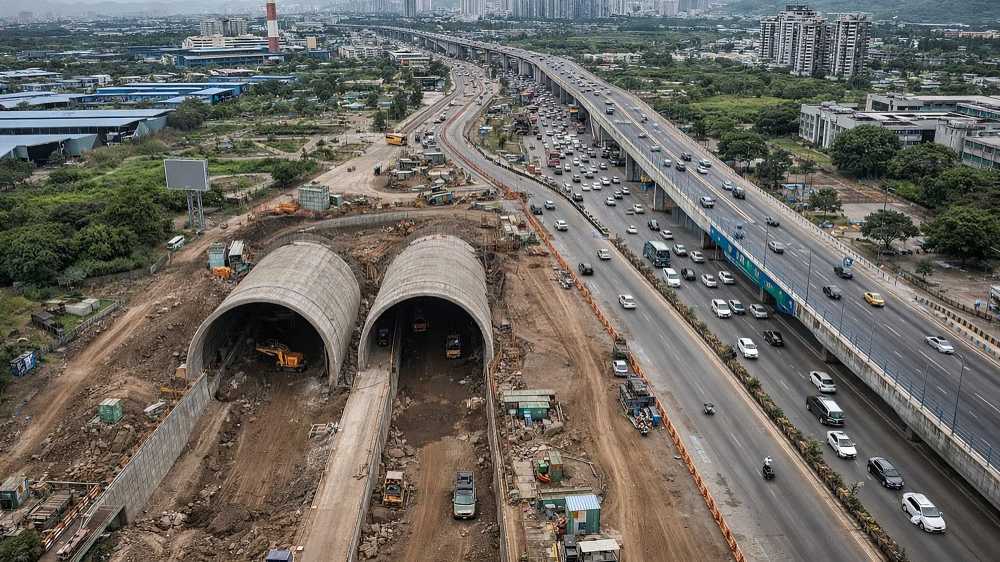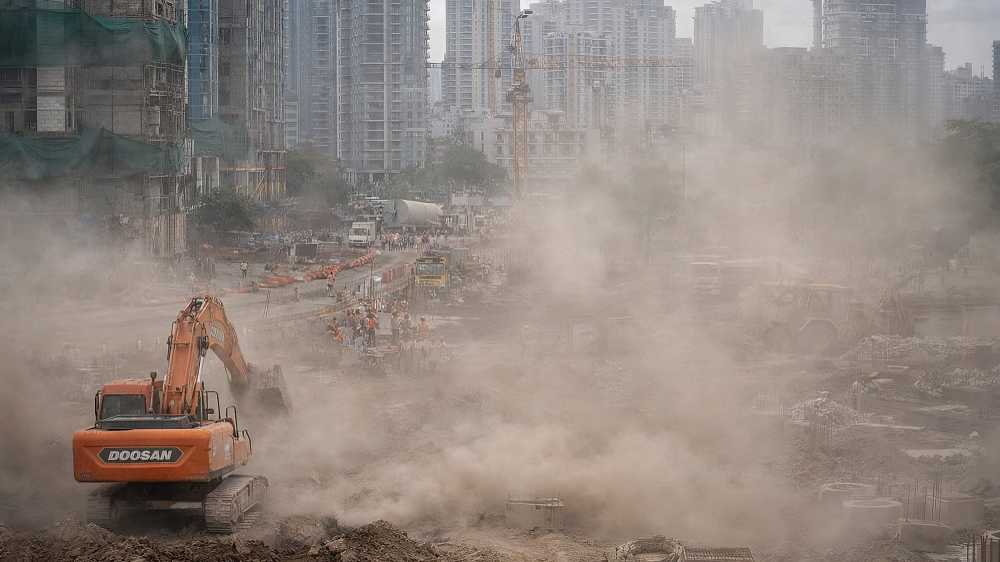

In a stringent push against rising air pollution, the Brihanmumbai Municipal Corporation (BMC) issued stop-work notices to 1,073 construction sites across Mumbai between October 2025 and February 2026 for violating prescribed environmental norms. These included private, municipal, and other agency-led projects. Of these, only 117 sites have been allowed to resume work after meeting compliance requirements.
Ward-Wise Violations
Across the city’s 24 wards, the highest number of stop-work notices was recorded in N ward (Ghatkopar and Vikhroli) with 131 cases, followed by 125 in P-North (Malad) and 106 in S ward (Kanjurmarg and Bhandup). Other areas with significant violations included K-West (Andheri, Jogeshwari, Vile Parle West) with 84 notices, H-West (Bandra, Khar, Santacruz West) with 83, and R-Central (Borivali) with 64.
In contrast, fewer violations were reported in F-North (Sion, Matunga) with two notices, E ward (Byculla) with three, L ward (Kurla) with seven, and A ward (Fort, Colaba) with nine. During the same period, the BMC also issued 2,119 show-cause notices following inspections by its enforcement teams.
Strict Enforcement Measures
Authorities have intensified monitoring amid growing concerns over pollution linked to construction activity. Speaking at the FPJ dialogue, Mayor Ritu Tawde had stressed that the issue of rising air pollution has been taken seriously, and strict actions are been taken against those construction sites which are not following 28 guidelines set by the administration to mitigate air pollution.
Following directives from the Bombay High Court, construction sites are now required to install real-time air quality monitoring systems displaying AQI levels, including PM2.5 and PM10 concentrations.
Changing Pollution Dynamics
According to emission inventory and source apportionment studies by IIT Bombay and CSIR-NEERI submitted to the BMC in 2023, PM2.5 emissions—considered most harmful—originate from multiple sources, including marine activity (26%), secondary aerosols (23%), vehicular emissions (16%), road dust (13%), industrial sources (12%), and biomass burning (11%).
However, officials note that with a surge in infrastructure and construction activity over the past three years, the contribution of these sources may have shifted by 2026, necessitating continued vigilance and updated assessments.
Source: The Free Press Journal