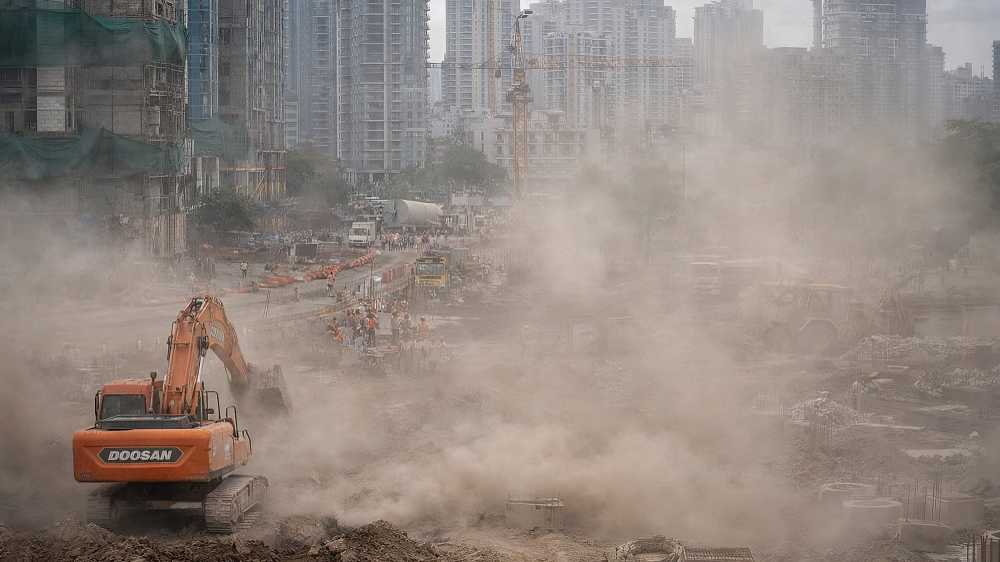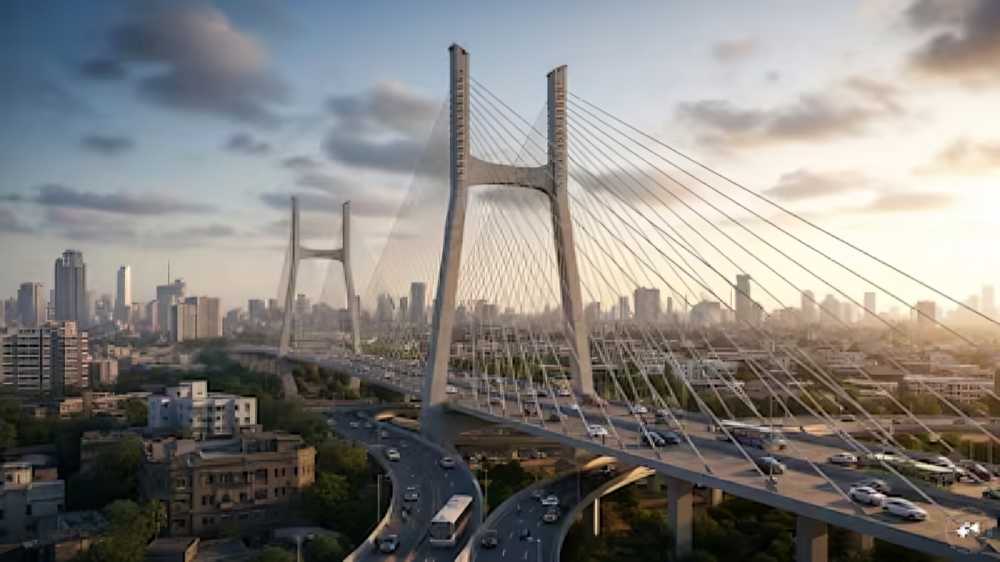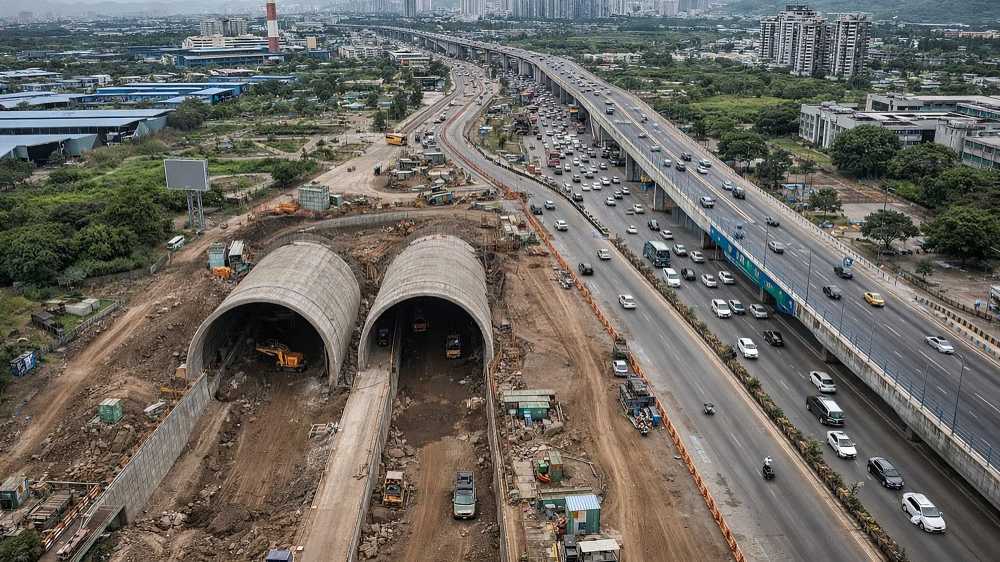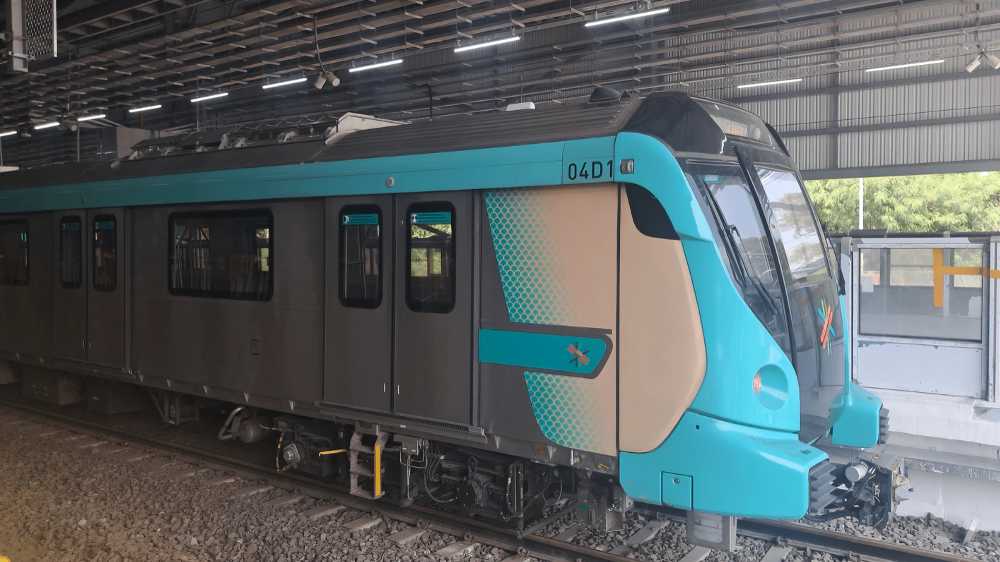

The Ministry of Housing and Urban Affairs (MoHUA) has put forward an ambitious proposal for Mumbai Metro Line 11, a fully underground corridor spanning 17.41 km from Anik Depot to the Gateway of India. The route is designed to pass through some of the city’s most densely built and historically significant areas, including Wadala, Byculla, Nagpada, Crawford Market, CSMT, and Horniman Circle, before reaching one of Mumbai’s most iconic landmarks.
What sets Metro Line 11 apart is not just its alignment but its role in strengthening network integration. The corridor is expected to include several interchange stations connecting both existing and upcoming metro lines, further consolidating Mumbai’s expanding metro system, which currently covers around 337 km across the Mumbai Metropolitan Region.
For a city that has long faced challenges in linking its suburban rail network with its commercial and heritage districts, this project could serve as a crucial missing piece. The proposed line is expected to ease traffic congestion, lower vehicle running costs, reduce fuel consumption, and contribute to improved air quality across South and Central Mumbai.
Pune Metro Expansion Plans
Alongside the Mumbai proposal, MoHUA has also suggested extensions to Pune Metro Line 4. These include Line 4B from Hadapsar to Loni Kalbhor and Line 4C from Hadapsar Bus Depot to Saswad Road, covering a combined 16.67 km. These routes aim to improve connectivity in rapidly growing residential and industrial zones such as Manjari, Phursungi, Bhekrai Nagar, and Wadki, which currently lack robust public transport options.
Both extensions will intersect at Hadapsar, with Line 4B following the Pune-Solapur Highway and Line 4C extending along Saswad Road. The plan also integrates key transport nodes, including the Pune-Daund railway line and major bus depots, enhancing multimodal connectivity.
The Road Ahead
Both projects have moved to the next stage following evaluation by the Network Planning Group (NPG), which examines factors like last-mile connectivity and integration. However, this phase does not equate to final approval, leaving the timeline for execution uncertain—an ongoing challenge for large-scale infrastructure projects in India.
Source: Financial Express