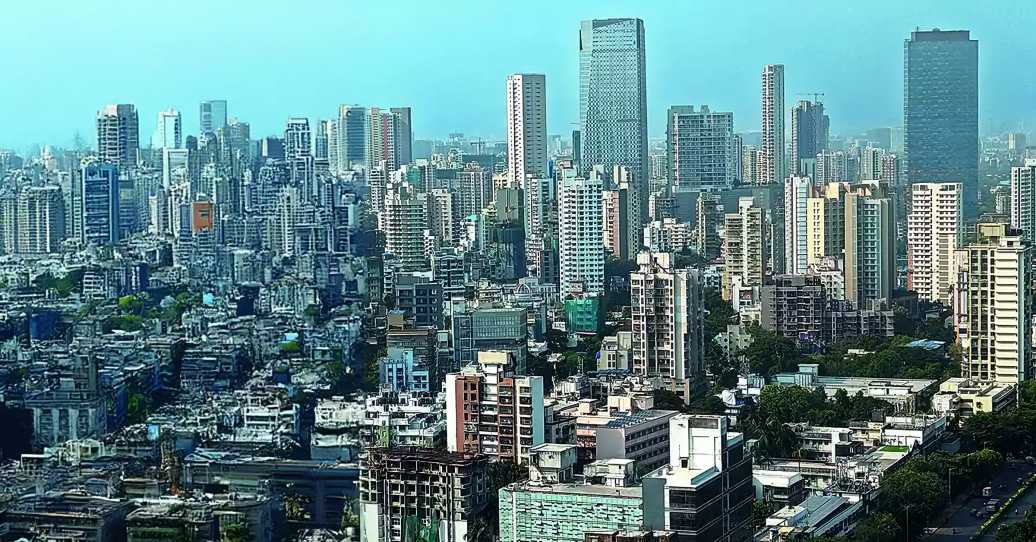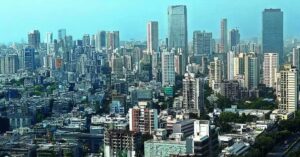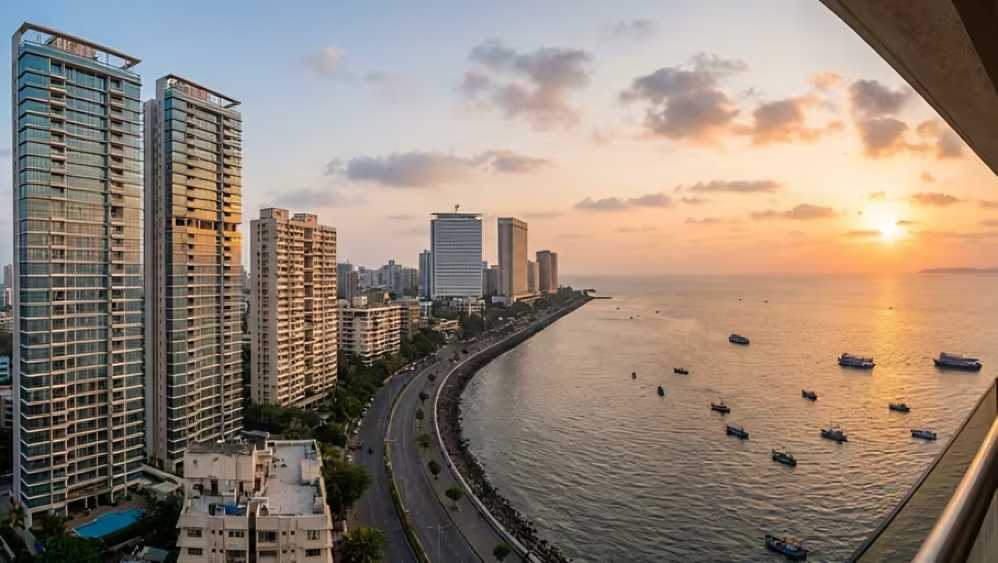

Affordable housing in Mumbai continues to remain a challenge despite signs of improving financial metrics, with recent data indicating a marginal rise in affordability even as structural constraints persist. While housing costs relative to income have eased slightly, homeownership within the city remains out of reach for a large section of residents.
“Crossing the 50% affordability threshold is a significant milestone for Mumbai, but it does not automatically translate into widespread access to housing,” said Preeti Aggarwal, Vice President (VP) of Operations at Knight Frank India. “The city continues to face inherent supply-side constraints, especially in the affordable segment.”
This supply imbalance is further intensified by a broader shift toward luxury housing. A recent Reuters poll found that premium homes accounted for nearly 63% of total housing sales in 2025, while demand for affordable housing declined sharply. Rising prices, expected to grow 5–7% annually, are likely to further strain affordability, particularly for middle- and lower-income groups.
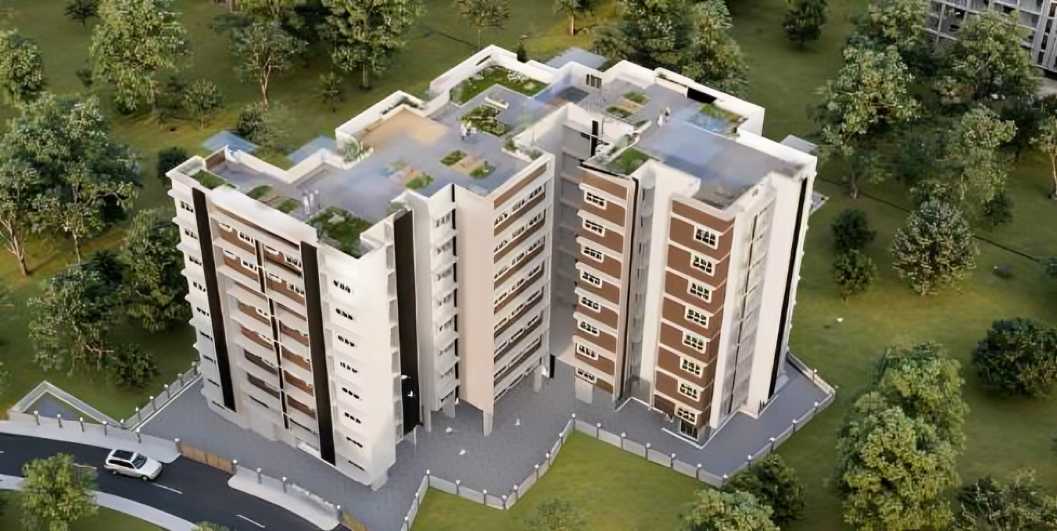
“Mumbai’s core city limits make large-scale affordable housing nearly impossible due to sky-high land costs and redevelopment challenges & delays,” said Jigar Trivedi, Secretary of CREDAI-BANM (Builders Association of Navi Mumbai). “Peripheral nodes like Navi Mumbai, Panvel, and Thane are emerging as realistic solutions, offering planned layouts, better metro and highway connectivity, and access to schools and civic amenities. These areas allow middle- and lower-income families to achieve homeownership without compromising on quality or accessibility.”
Government-led interventions, including redevelopment projects and subsidised housing schemes, are attempting to bridge the gap. A pipeline of over 44,000 redevelopment-driven homes is expected to come up in the next few years, offering some relief on the supply side. However, delays in execution and eligibility constraints continue to limit their reach.
“Affordable housing cannot succeed without strong infrastructure support,” said Rohitashwa Poddar, MD of Poddar Housing & Development Ltd. “Even with high demand, central Mumbai’s land prices and planning constraints limit project feasibility. Suburban and peri-urban regions, with metro access, expressways, and integrated utilities, offer a sustainable path. These areas enable shorter commutes, better amenities, and long-term livability, making peripheral developments the practical choice for delivering quality, affordable homes to middle- and lower-income families.”
According to a 2025 affordability index by Knight Frank India, Mumbai’s EMI-to-income ratio has dropped to around 47%, the first time it has fallen below the critical 50% threshold in over a decade. This marks a significant improvement from earlier years, when homebuyers had to spend well over half their income on housing. However, even at 47%, Mumbai remains the least affordable among India’s major cities, highlighting the scale of the challenge.
At the same time, demand in the city’s housing market remains robust. Mumbai recorded over 1.5 lakh property registrations in 2025, a 14-year high, with stamp duty collections exceeding Rs 13,500 crore, clear indicators of strong buyer activity. Yet, this demand is increasingly skewed toward mid-to-premium and luxury housing segments, with homes priced below Rs 1 crore seeing a declining share of transactions.
Public sentiment reflects this ground reality. In a poll conducted by ReMumbai on Instagram and X, a majority, 57% of respondents, said affordable housing is “limited to Mumbai’s outskirts only.”
Around 29% believed it is achievable with strong government intervention, while 14% felt it is “not realistic at all.”
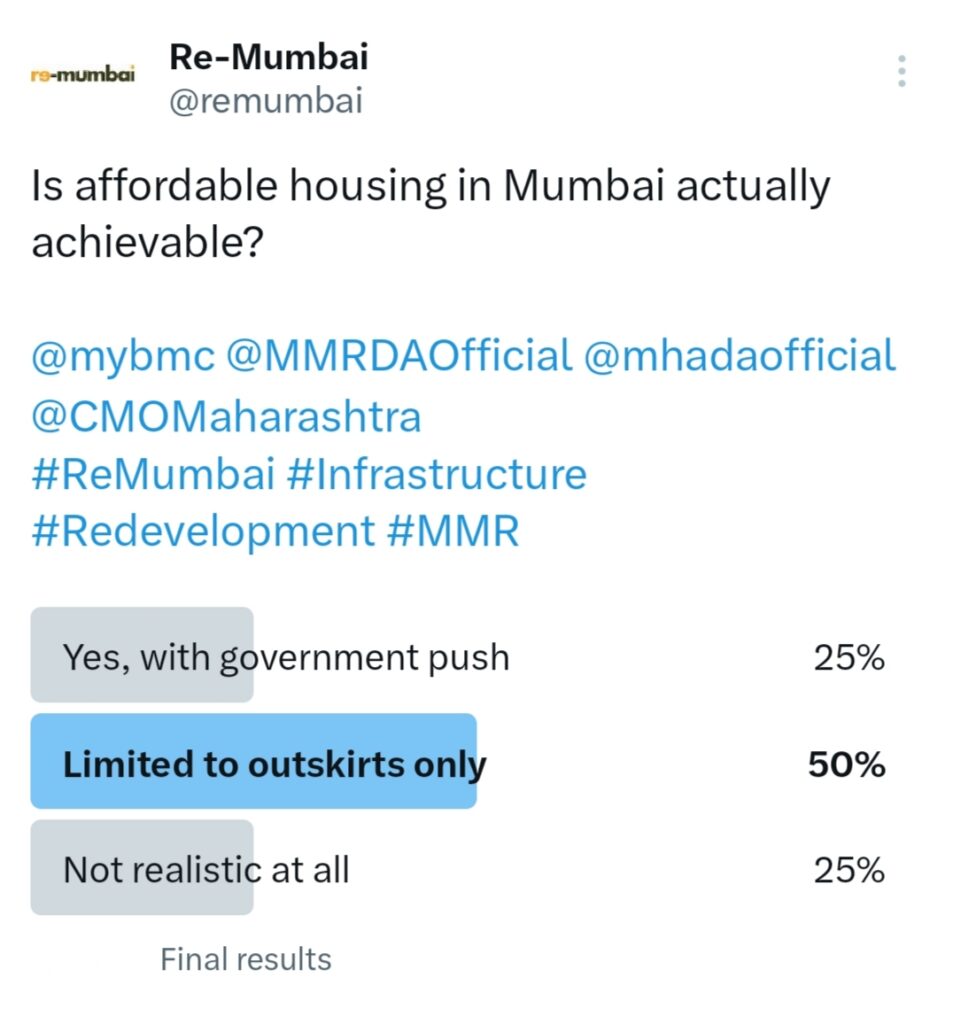
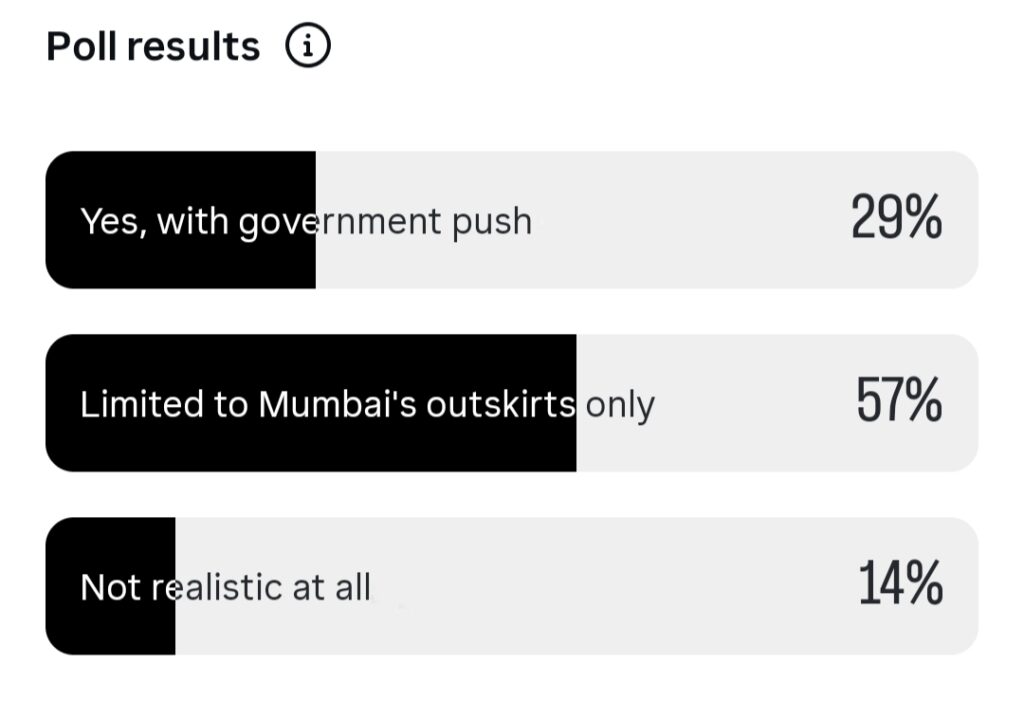
The results highlight a growing perception that affordability is no longer associated with Mumbai city itself, but with its expanding metropolitan fringes.
As Mumbai’s real estate market continues to grow in value and volume, the definition of “affordable housing” is increasingly being pushed outward. The central question remains unresolved: can affordability be created within the city’s core, or will it remain a possibility only beyond it?