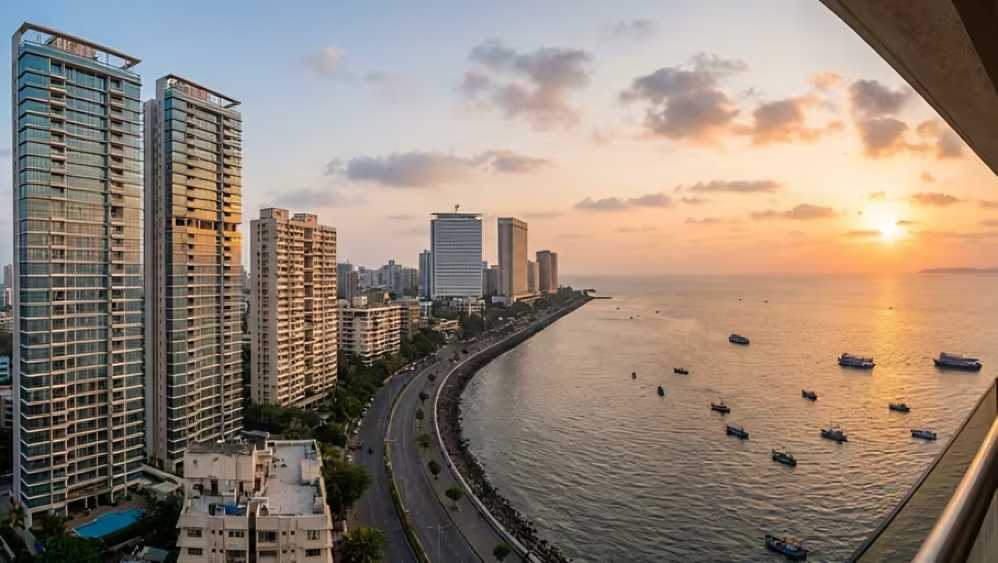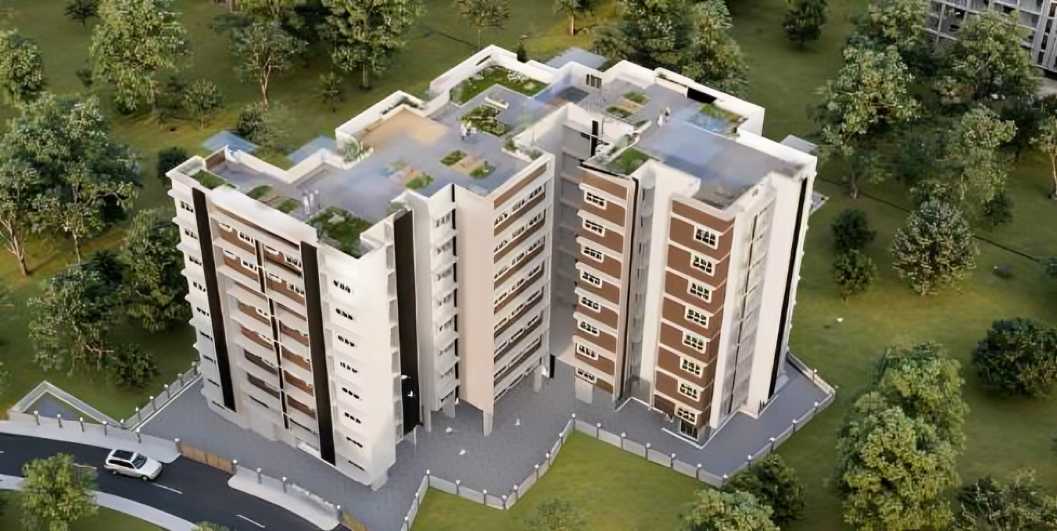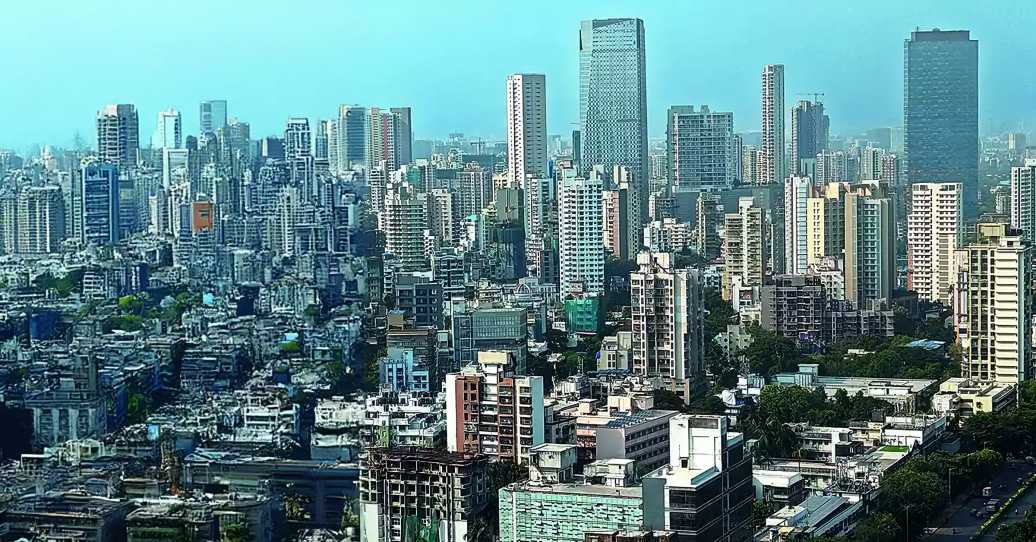

Mumbai’s property market is witnessing a shift toward consolidation, with a city-based developer strengthening its position by acquiring majority stakes in three smaller firms through its infrastructure arm. The Rs 70 crore deal focuses on projects within the Mumbai Metropolitan Region (MMR) and reflects a broader move toward scale and vertical integration in a competitive environment.
The acquisition brings together three local development entities with a combined gross development value (GDV) exceeding ₹840 crore. By securing controlling interests, the developer aims to fast-track project execution while expanding its presence in land-scarce urban clusters, where redevelopment and infill housing dominate activity.
Industry experts view such transactions as part of an evolving strategy in Mumbai’s real estate sector. Rather than pursuing large land acquisitions, developers are increasingly opting for structured growth by entering projects at different stages. This approach allows for better management of approvals, timelines, and execution risks, particularly in complex redevelopment environments.
However, the expansion raises questions around financing. Projects of this scale typically require substantial capital beyond acquisition costs, often funded through a mix of internal accruals, construction finance, and buyer advances. Analysts caution that higher borrowing could strain balance sheets if sales momentum slows or construction costs rise.
The sector itself continues to navigate fluctuating demand influenced by interest rates, regulatory processes, and affordability pressures. Delays in approvals or execution—common in dense urban areas—could affect returns, especially for newly integrated projects requiring alignment of planning and delivery frameworks.
From an urban planning perspective, consolidation offers both advantages and challenges. Larger developers can bring improved compliance, better access to capital, and higher construction standards. At the same time, excessive consolidation may limit participation by smaller developers and reduce diversity in housing supply.
As redevelopment-led growth continues to shape Mumbai’s skyline, the success of such deals will depend on balancing financial discipline with timely execution.
Source: Urban Acres