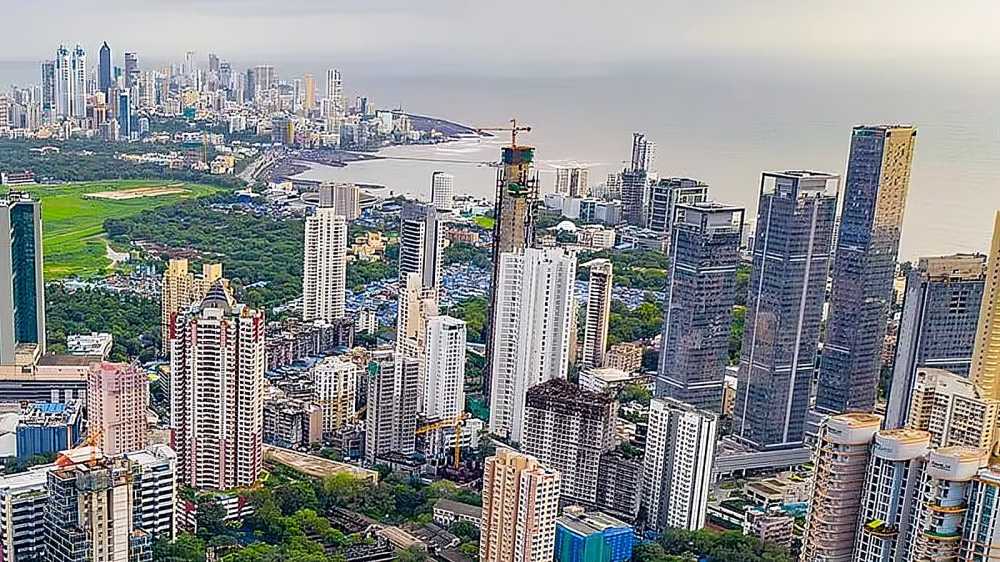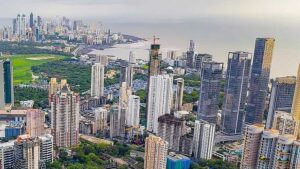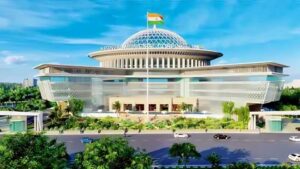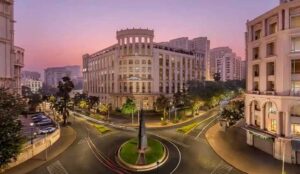

Mumbai, long the heart of India’s financial and corporate ecosystem, is witnessing a dynamic transformation in its commercial real estate sector. Over the past two decades, the city has evolved from a traditional office hub into a sophisticated market attracting global investors, multinational occupiers, and institutional capital. As 2026 approaches, structural shifts in occupier preferences, capital flows, and emerging micro-markets are redefining the landscape.
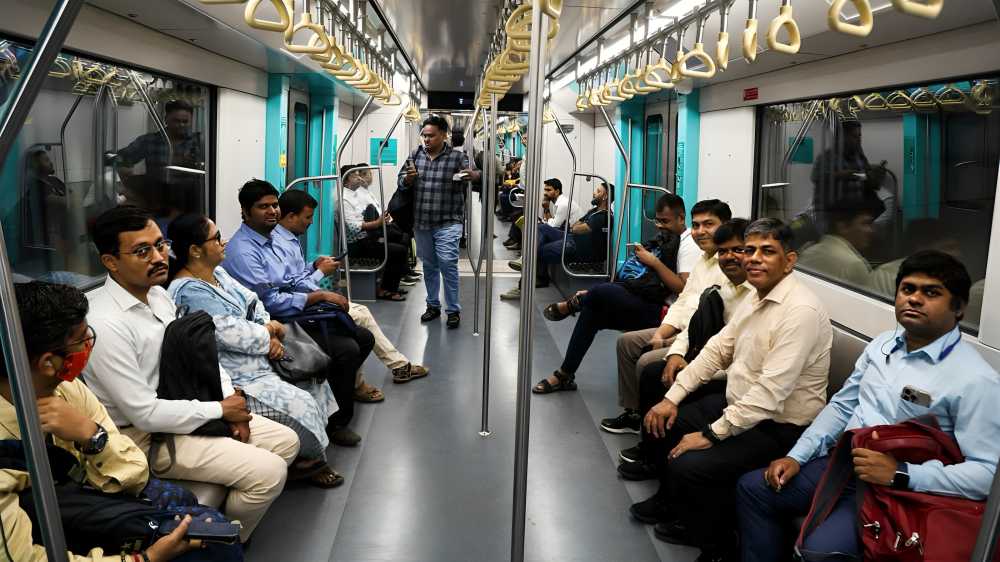
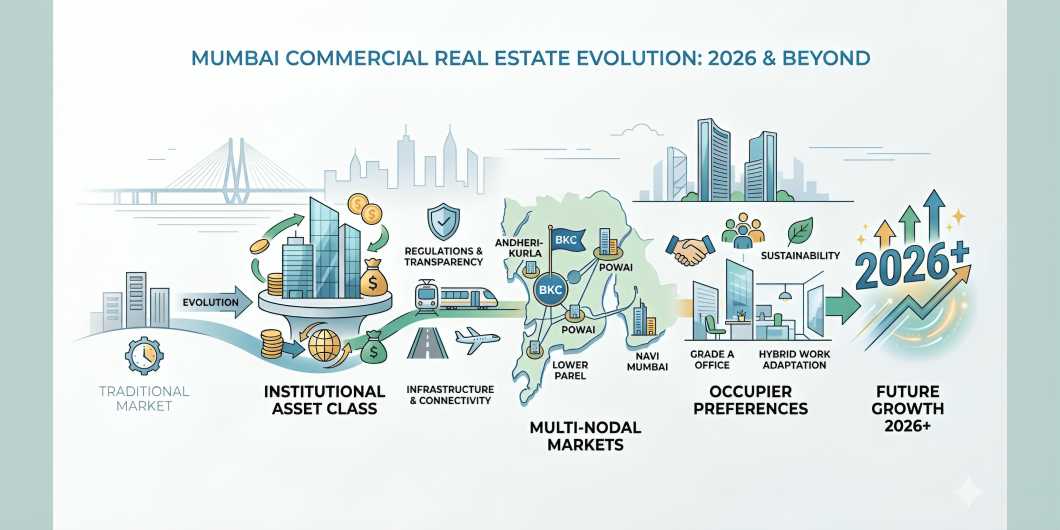
At the core of this growth is sustained corporate demand. Financial services, consulting firms, global capability centres, technology companies, and flexible workspace operators continue to drive leasing activity, with Mumbai recording nearly 12 million square feet of office leases in 2024. While hybrid work has altered office utilization, it “has not diminished the importance of physical workplaces.” Companies increasingly seek high-quality, institutional-grade spaces that foster collaboration, innovation, and employee engagement.
Institutional capital remains a major driver. Over the last decade, global investors, private equity funds, sovereign wealth funds, and REITs have viewed Mumbai as a stable long-term investment destination. Improved transparency, regulatory frameworks, and the growing REIT ecosystem have bolstered investor confidence, enabling developers to tap new funding sources.
Infrastructure expansion is further reshaping demand. Metro projects, upgraded roads, and enhanced airport access are creating new commercial corridors. Traditional hubs like Lower Parel and Worli remain strong, while Andheri–Kurla Road, Powai, and Navi Mumbai are emerging as high-demand micro-markets. Bandra Kurla Complex continues to set the benchmark for institutional-grade offices, with surrounding precincts now attracting developers seeking modern, sustainable, and employee-centric workspaces.
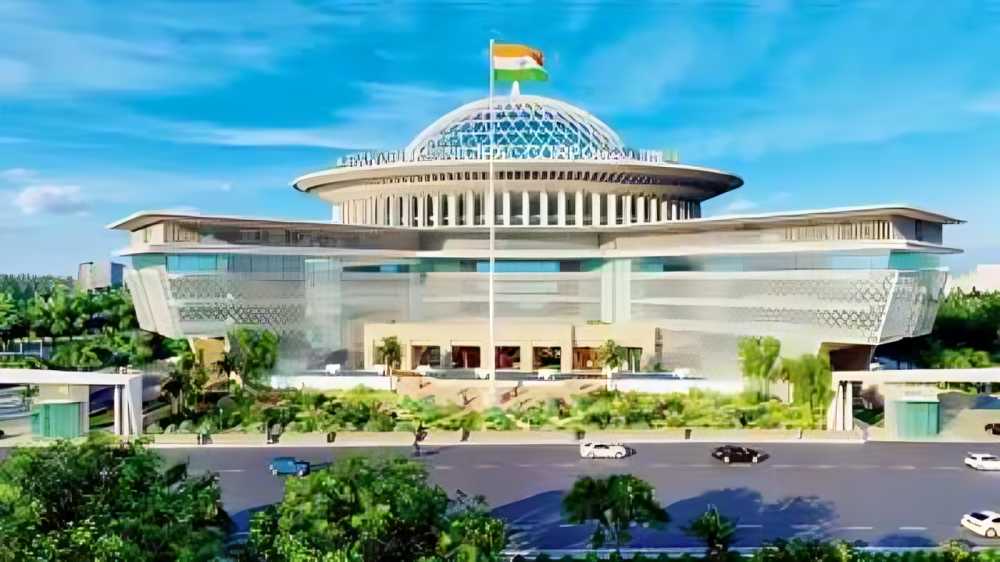
Hybrid work models, evolving occupier expectations, and multi-nodal urban growth are driving developers to innovate. Integrated commercial projects with lifestyle, wellness, and collaboration-focused amenities are becoming the new standard. Looking ahead, Mumbai’s commercial real estate market is set to remain resilient and dynamic, with both established districts and emerging precincts offering attractive long-term opportunities for investors and occupiers alike.
Source: Construction Week