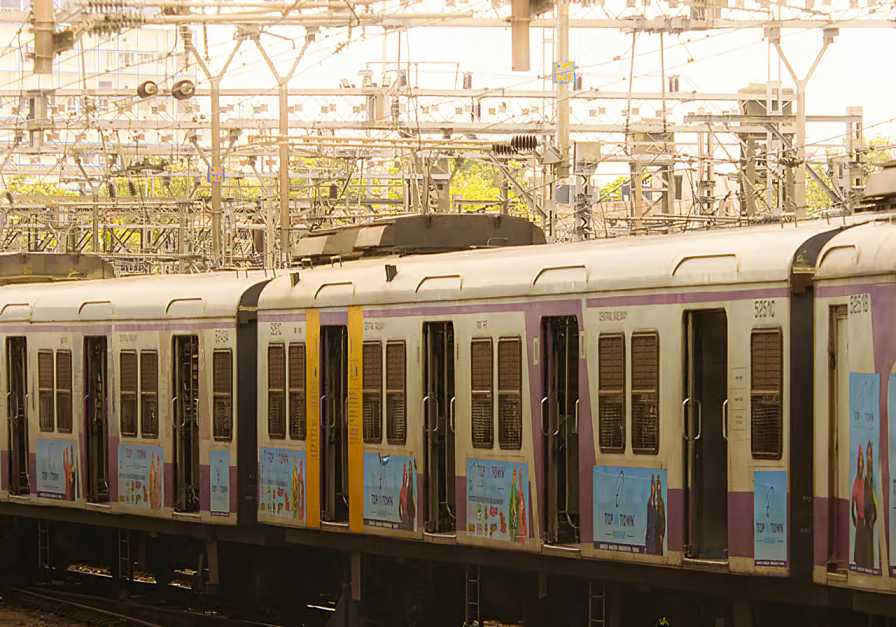

Mumbai’s suburban railway, the lifeline of the city, quietly witnessed a historic transformation over one long weekend in March. Western Railway replaced a colonial-era bridge span near Kandivali, originally forged in 1897, marking the end of a structure that had survived floods, plague, and the relentless growth of the city’s commuter network.
The bridge, built by the same company behind the iconic 1885 Jubilee Bridge over the Hooghly River, had carried generations of passengers on the Western Line. “For over a century, the steel girders carried millions of commuters across the suburban network, enduring floods, heavier trains, and the extraordinary growth of Mumbai’s population,” Western Railway officials noted.
The replacement took place during a 21-hour mega block—the longest on the network in recent memory—starting 10:50 pm on March 28 and concluding at 7:30 pm the next day. Eight old steel girders were removed and replaced with 28 modern pre-stressed concrete slabs and eight retainers, a move designed to enhance structural strength and improve train operations. Nearly 180 workers coordinated the effort using cranes and heavy machinery, while a temporary cofferdam along the Poisar River ensured safe construction within the riverbed. Senior engineering officials closely supervised the operation to ensure timely completion.
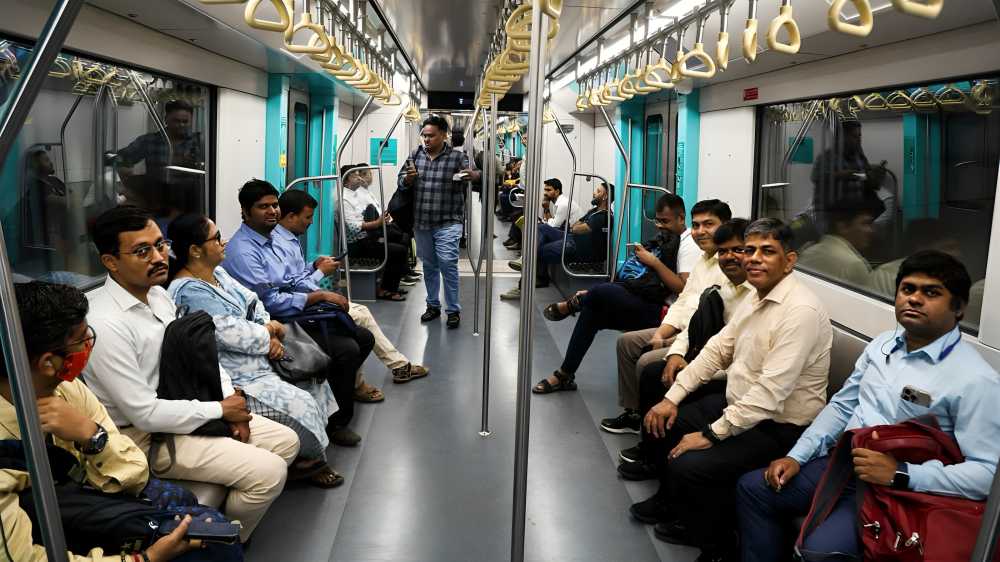
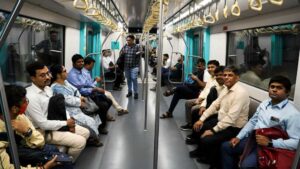
Weekend commuters faced temporary disruptions. Slow-line services between Kandivali and Borivali were rerouted, platforms at Borivali were suspended, and several trains were short-terminated at Andheri and Goregaon. Central Railway and Trans Harbour Line services also experienced maintenance-related diversions and delays.
Even as the bridge was dismantled, Western Railway preserved a metal plaque from the original structure, bearing the name of The Brandon Bridge Building Company Limited and acknowledging the Bombay, Baroda, and Central India Railway, highlighting the historical legacy of Mumbai’s suburban rail network.
The operation symbolises a transition from colonial-era steel engineering to modern infrastructure, reflecting the city’s evolving demands. For commuters, it is part of the daily journey; for engineers and historians, it is a tangible link between Mumbai’s past and its fast-moving present.
Source: Outlook Traveller