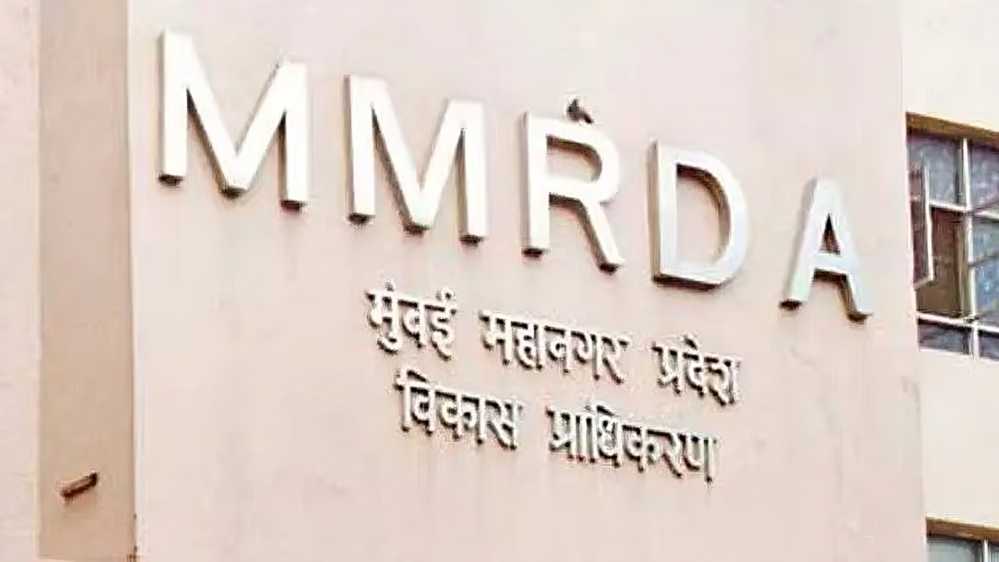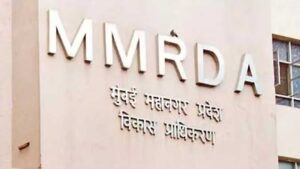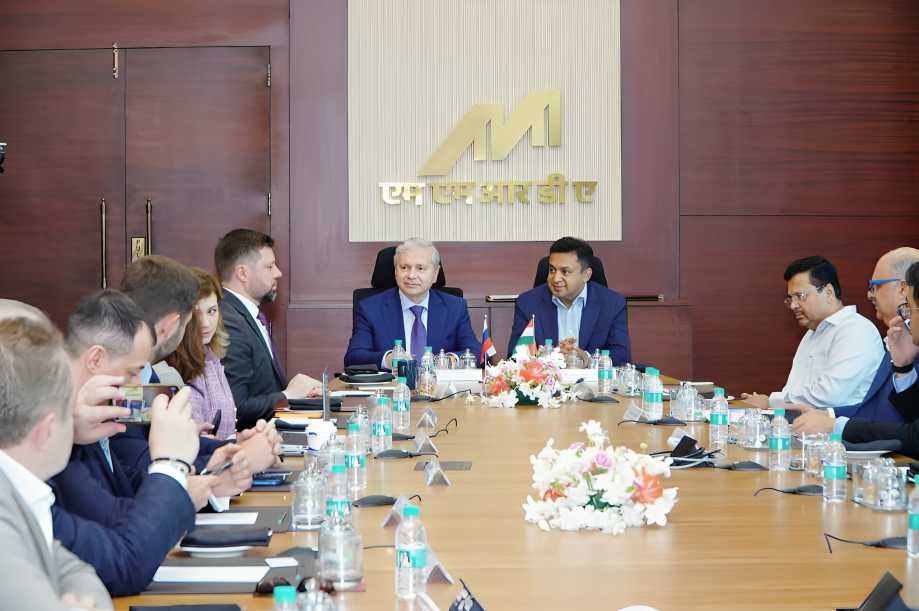

Mumbai has taken a significant step toward strengthening global partnerships, with the Mumbai Metropolitan Region Development Authority and Maharashtra’s Urban Development Department signing a Memorandum of Understanding (MoU) with the Government of Moscow. The agreement, formalised in Mumbai, marks a new phase of international cooperation in urban planning and infrastructure development.
The MoU was signed by Dr Sanjay Mukherjee, Metropolitan Commissioner of MMRDA, and Sergey Cheremin, a senior minister from the Moscow government, in the presence of officials from both sides, including representatives of the Russian Federation. The partnership establishes a structured framework for collaboration across diverse sectors such as infrastructure, innovation, tourism, healthcare, cultural exchange, and skill development.
This alliance is expected to strengthen Mumbai’s standing as a global economic hub by enabling access to international expertise and best practices in city planning. It also reflects a shared commitment to building resilient, inclusive, and future-ready urban systems through knowledge exchange and institutional cooperation.
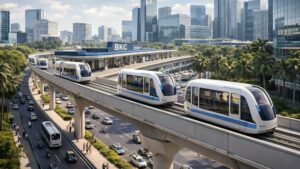
MMRDA, established under the MMRDA Act of 1974, plays a pivotal role in shaping infrastructure across the Mumbai Metropolitan Region (MMR), which spans over 6,300 sq km and contributes significantly to India’s GDP. Key initiatives such as the expanding metro network and the Mumbai Trans Harbour Link highlight the region’s ongoing push for improved connectivity and economic growth.
The collaboration aligns with the broader vision of transforming the MMR into a USD 300 billion economic hub, with the potential to generate millions of jobs by 2030. Leaders emphasised that such international partnerships are crucial for enhancing execution capabilities and attracting investment.
Officials noted that the agreement, valid for ten years, focuses on mutual cooperation without immediate financial commitments. It will facilitate technical exchanges, policy coordination, and the adoption of advanced practices in areas like smart city development, mobility, and digital governance—paving the way for long-term urban transformation.
Source: Prop News Time