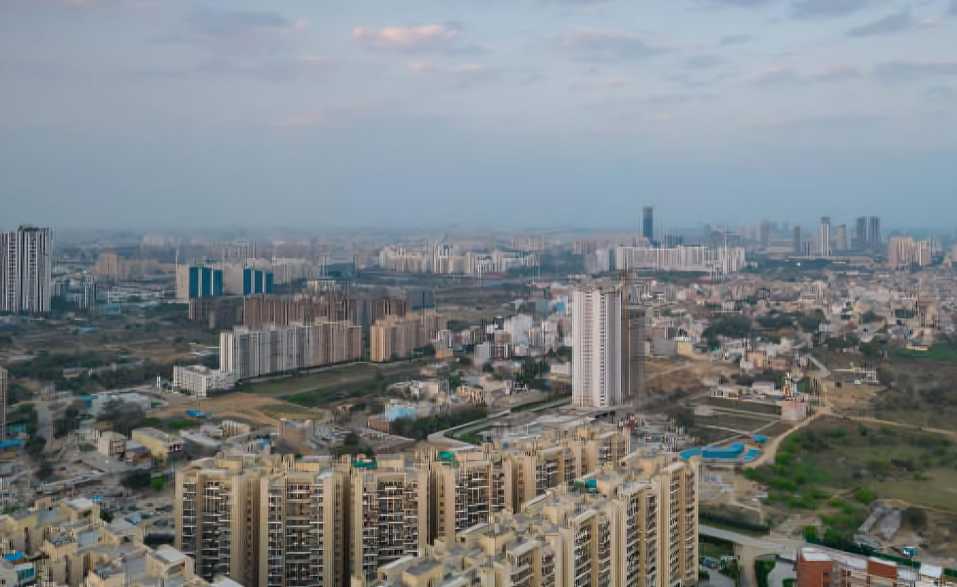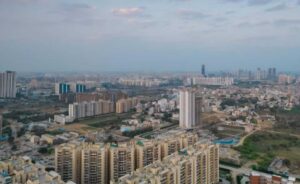

Originally envisioned in the 1970s to ease pressure on Mumbai’s island city, Navi Mumbai is now witnessing that long-standing vision come to life. The North Corridor—spanning Vashi, Airoli, Ghansoli, Nerul, and Belapur—is rapidly transforming into a sought-after destination for both businesses and homebuyers, driven by improved connectivity and planned urban growth.
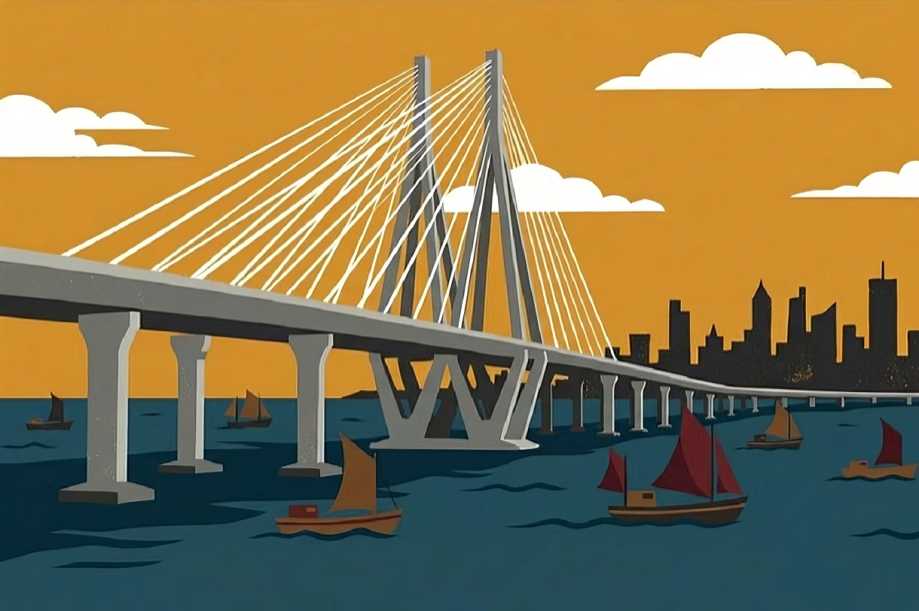
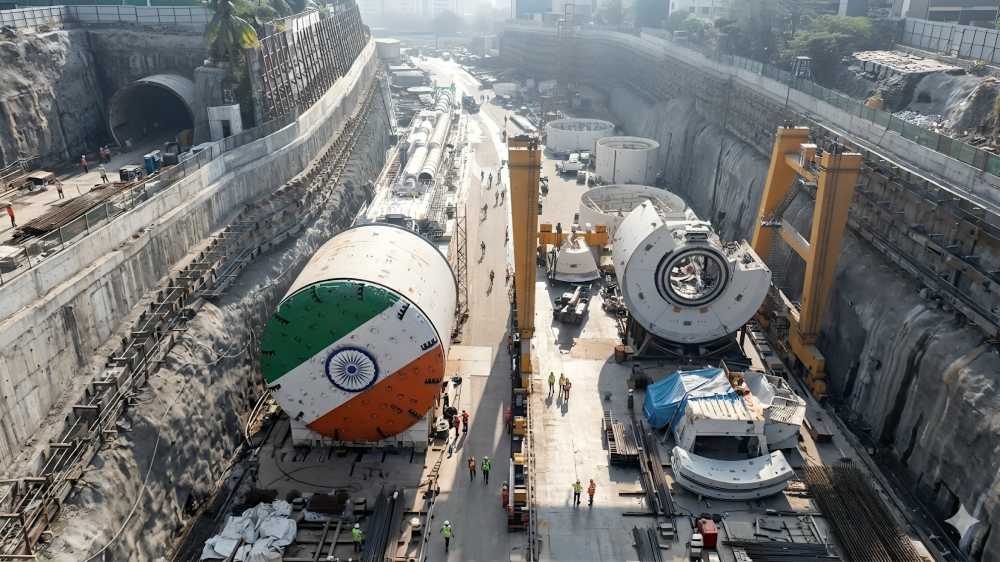
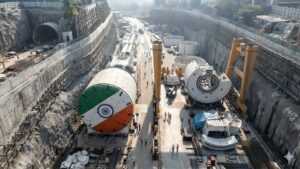
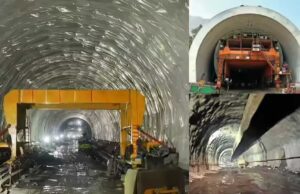
For years, Navi Mumbai’s development remained incomplete due to limited connectivity with key parts of Mumbai. That gap has now narrowed significantly with major infrastructure projects such as the Mumbai Trans-Harbour Link, expanding metro networks, and the upcoming Navi Mumbai International Airport. Together, these developments are reshaping the corridor into a well-connected and aspirational zone offering integrated commercial and residential ecosystems.
Infrastructure has been central to this transformation. The Mumbai Trans-Harbour Link has drastically reduced travel time between Navi Mumbai and South Mumbai, while the Navi Mumbai Metro has enhanced connectivity within the region. Additional projects, including improved bridges across Thane Creek and coastal road links, are further strengthening access to emerging hubs.
On the commercial front, Navi Mumbai accounts for a growing share of Grade A office space in the Mumbai Metropolitan Region, with further expansion expected in the coming years. Competitive rentals and strong infrastructure are attracting Global Capability Centres (GCCs), especially in areas like Airoli and Ghansoli, which have developed into IT and fintech hubs.
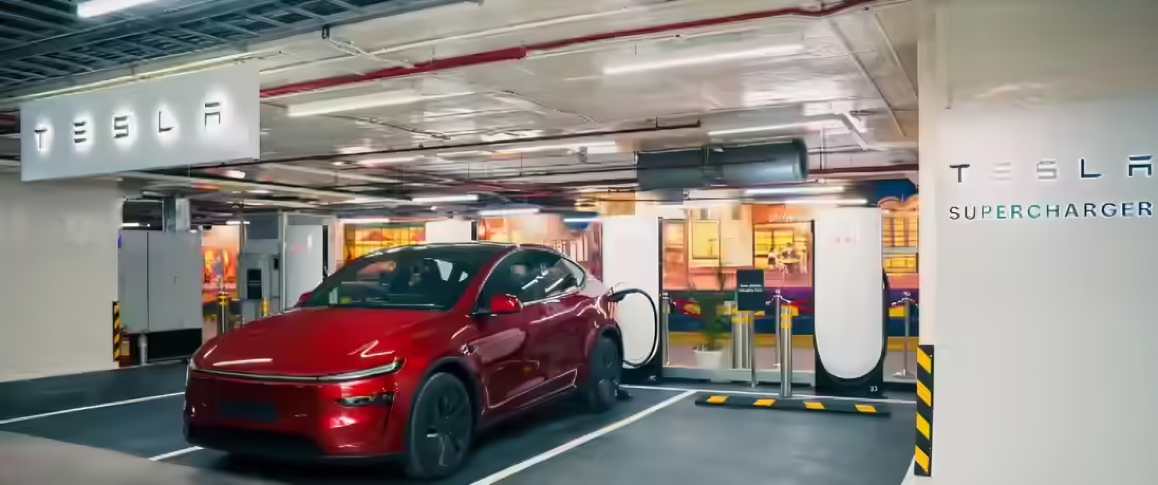
Residential development is also evolving in tandem. New projects are being designed as self-sustained townships, offering modern amenities such as fitness centres, co-working spaces, and sustainable features like solar energy and EV charging infrastructure. These developments align closely with nearby business districts, enabling the ‘walk-to-work’ lifestyle.
Ranked among India’s most liveable cities, Navi Mumbai continues to benefit from its planned layout, with well-organised nodes that combine residential, commercial, and social infrastructure.
By combining connectivity, affordability, and quality of life, the North Corridor is positioning itself as a compelling alternative to traditional business districts in Mumbai.
Source: Construction Week