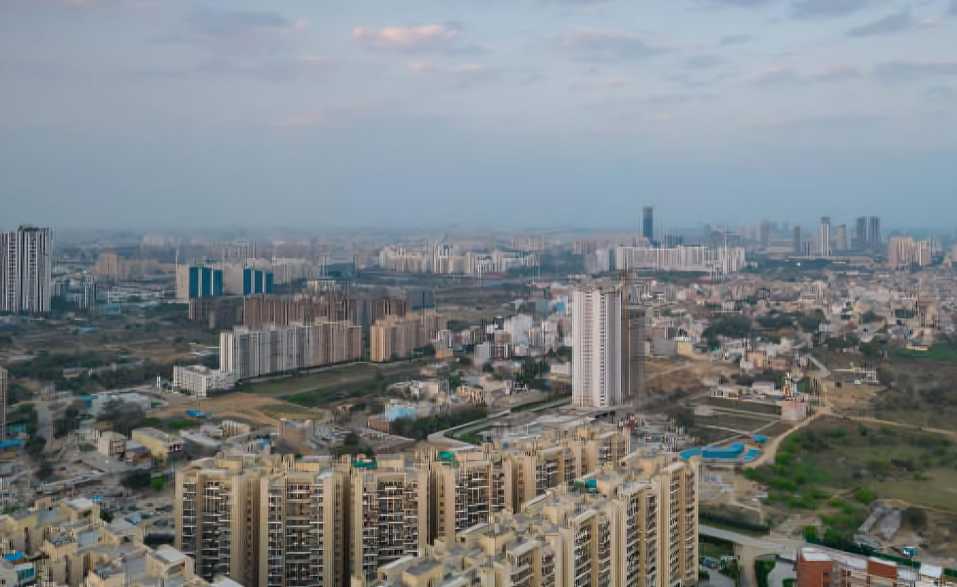

The far northern suburb of Virar has firmly established itself as Mumbai’s most prominent affordability-driven housing market, drawing a steady influx of first-time buyers and middle-income families. With property prices nearly 40% to 60% lower than established micro-markets such as Andheri, Bandra, and even parts of Goregaon, Virar is witnessing sustained traction in the Rs 30 to Rs 70 lakh price bracket.
Market data from leading property platforms indicates that the suburb recorded approximately 16% year-on-year (YoY) growth in residential sales last year. The bulk of this demand has been driven by 1 and 2 BHK configurations, which remain within reach for salaried professionals seeking to transition from renting to ownership. Developers, in turn, have scaled up launches in this segment, positioning Virar as a critical node in the Mumbai Metropolitan Region’s (MMR) affordable housing ecosystem.
“Virar has increasingly become the go-to destination for homebuyers who are priced out of Mumbai’s central and western suburbs. The price differential, often as high as 50%, makes ownership viable for a large segment of the population. However, while demand remains strong, the long-term sustainability of this growth depends on how quickly infrastructure and connectivity improvements can catch up with the pace of residential expansion,” said Samyak Jain, Director of Siddha Group.
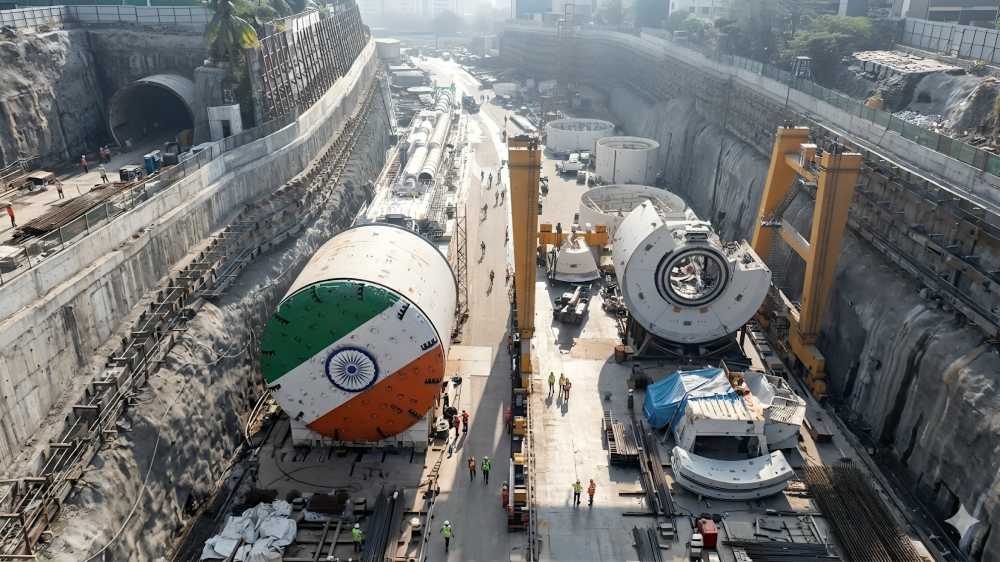
For years, connectivity has been the biggest sticking point. That may now begin to change, albeit gradually. The first phase of Mumbai Metro Line 9, from Dahisar East to Kashigaon, is set to become operational today i.e. on April 7, 2026. The line is expected to take some pressure off the Western Express Highway (WEH) and offer a more predictable commute option for residents in Mira-Bhayandar and beyond.
Further north, plans for Mumbai Metro Line 13, a roughly 23-km elevated corridor linking Mira Road to Virar, are also in the works. While still some time away from completion, the project is expected to significantly cut travel times once operational.
Rail infrastructure is also seeing incremental upgrades. Following successful trials, 15-coach local trains are expected to be introduced on the Virar–Dahanu route, supported by wider platforms at Virar station, an important step for a corridor that routinely sees overcrowding.
Yet, for many residents, the daily reality hasn’t changed much, at least not yet.
“For many of us living in Virar, the biggest compromise is not space or cost, but time. My daily commute to BKC takes close to three hours in the morning, and the return journey is equally exhausting. While owning a home here gives financial security, the physical and mental strain of travelling every day significantly impacts productivity, family time, and overall quality of life,” said Rajesh Gaikwad, a Virar resident and finance professional commuting daily to BKC.
Looking ahead, larger infrastructure projects could further reshape the region. The Coastal Road is proposed to extend up to Virar through the Uttan–Virar Sea Link, potentially opening up faster road connectivity along the western edge. At the same time, Mumbai’s overall Metro network is expected to cross 120 km by this month (April 2026), highlighting the scale of transit expansion underway.
“Virar’s growth story is symbolic of a larger structural shift in urban housing, where affordability is pushing buyers toward peripheral locations. While this trend is positive from a homeownership standpoint, it also exposes the widening gap between residential development and infrastructure readiness. Bridging this gap through faster execution of transit projects will be crucial to ensuring balanced and sustainable urban expansion,” noted Dhruv Agarwala, CEO of REA India Private Limited.
As Mumbai continues to grapple with rising property prices, Virar stands out as a viable entry point into the housing market. Yet, it also highlights a growing urban paradox, where the dream of owning a home is increasingly achievable, but often comes at the expense of long commutes, strained infrastructure, and diminished daily comfort.