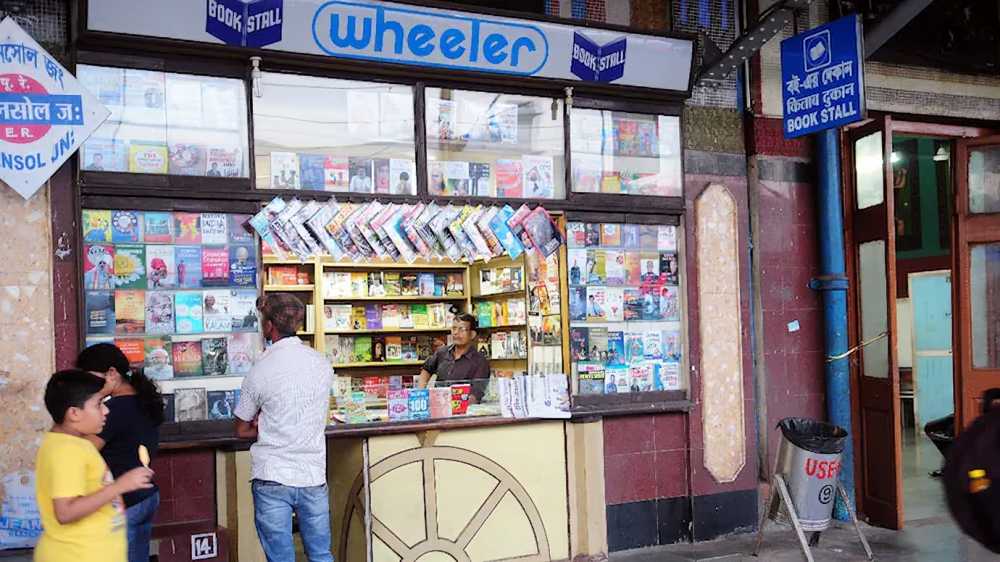

For generations of Indian travellers, a visit to an AH Wheeler & Co. bookstall was an essential part of every train journey. From children buying comics to office-goers picking up novels and newspapers, these stalls were once at the heart of the railway experience. Today, however, this long-standing tradition is gradually disappearing as Indian Railways phases out many of these iconic outlets.
On Mumbai’s Western Railway network alone, 55 Wheeler bookstalls are being shut down under a new retail policy, with most licences not being renewed. Only one historic stall at Mumbai Central Terminus will remain, preserved for its original design but repurposed for modern use. The move is part of a broader strategy to reduce congestion at stations and replace single-purpose kiosks with multipurpose retail outlets offering a range of goods.
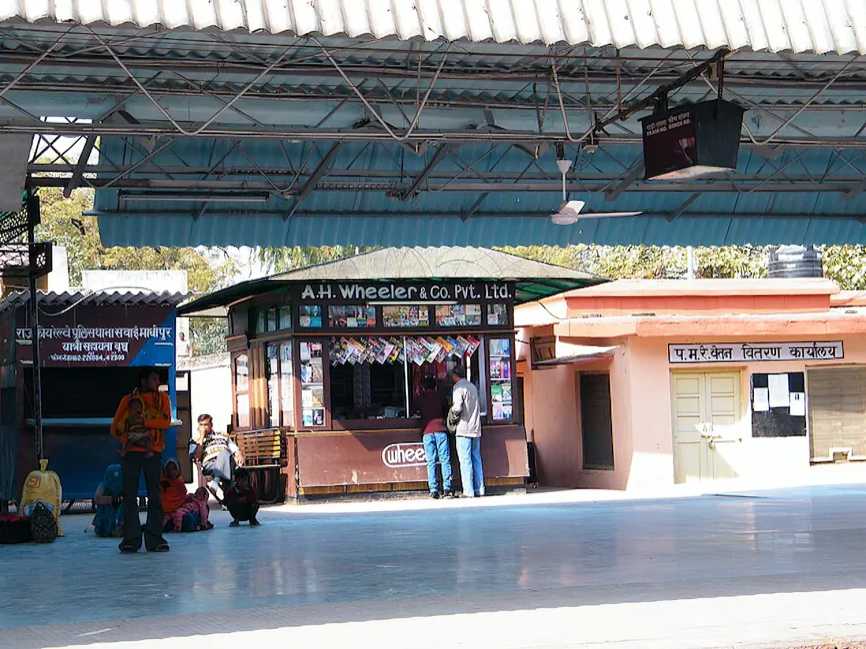
While the decision may make logistical sense, it marks the decline of a cultural symbol deeply embedded in India’s travel history.
The origins of AH Wheeler date back to 1877 in Allahabad (now Prayagraj), when a French entrepreneur, Émile Edouard Moreau, identified a growing demand for reading material among railway passengers. Partnering with London-based bookseller Arthur Henry Wheeler, Moreau began selling books from a simple wooden cabinet on a station platform. The idea quickly gained traction, leading to the formation of AH Wheeler & Co.
As railway networks expanded across India, so did the presence of these bookstalls. By the early 20th century, Wheeler outlets had spread across hundreds of stations, from Delhi to Howrah and Mumbai to Patna. At its peak, the company operated at over 250 stations with more than 900 outlets, making books, magazines, and newspapers accessible to millions.
A significant chapter in the company’s history came in 1888 with the launch of the Indian Railway Library—affordable, pocket-sized books designed for travellers. These publications featured works by noted writer Rudyard Kipling, including titles such as Soldiers Three and Wee Willie Winkie. Priced affordably, these editions played a key role in popularising reading among everyday passengers.
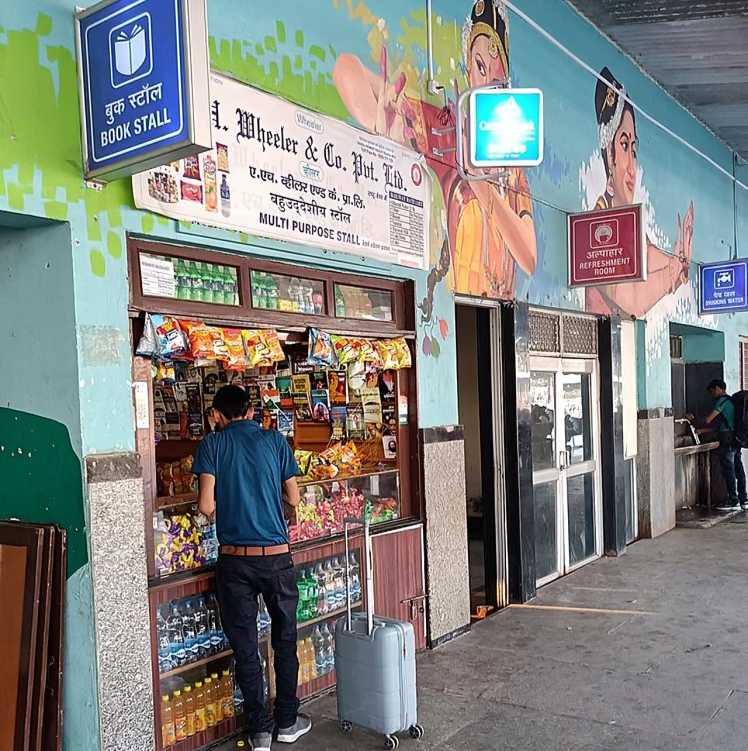
However, changing consumer habits and evolving retail strategies have altered the landscape. In 2004, Indian Railways ended Wheeler’s exclusive rights, opening platforms to other vendors. Over time, multipurpose stalls offering snacks, beverages, and essentials replaced traditional book-only outlets.
The closure of these stalls reflects shifting priorities in station design and passenger needs. Yet, for many, their disappearance is deeply nostalgic. Wheeler bookstalls were more than retail spaces—they were gateways to stories, ideas, and quiet moments amid the chaos of travel.
As these iconic kiosks fade away, they leave behind a rich legacy—one that shaped reading habits across generations and made books an inseparable part of India’s railway journeys.
Source: India Today