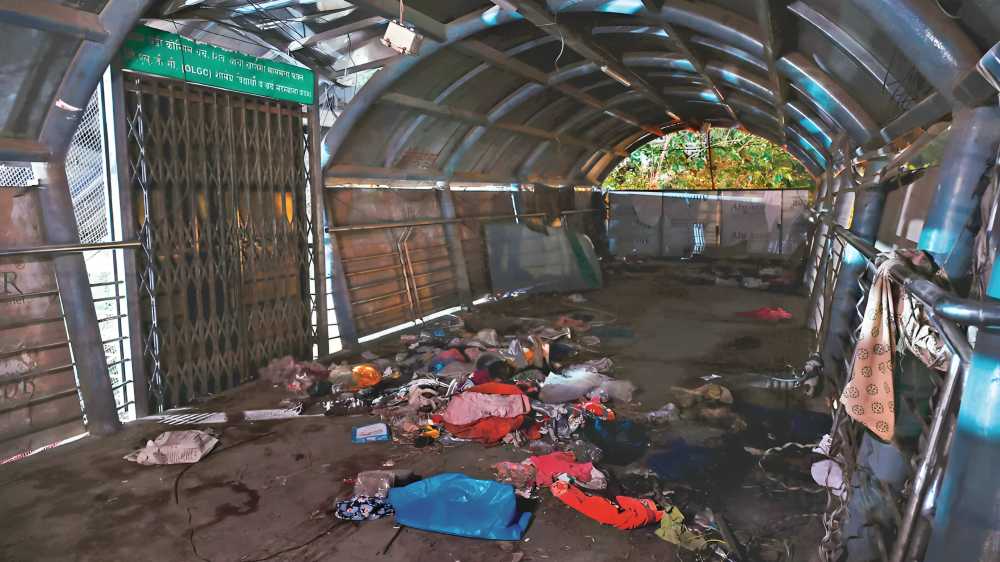

Mumbai’s network of skywalks, developed at a cost of nearly Rs 900 crore to improve pedestrian safety and ease congestion, is increasingly failing to serve its intended purpose. Built across the Mumbai Metropolitan Region in phases—including locations such as Badlapur, Ambarnath, and Kalyan—around 37 skywalks were envisioned as secure, efficient pathways. However, issues like poor maintenance, incomplete construction, and lack of security have rendered many of them unsafe and underutilised.
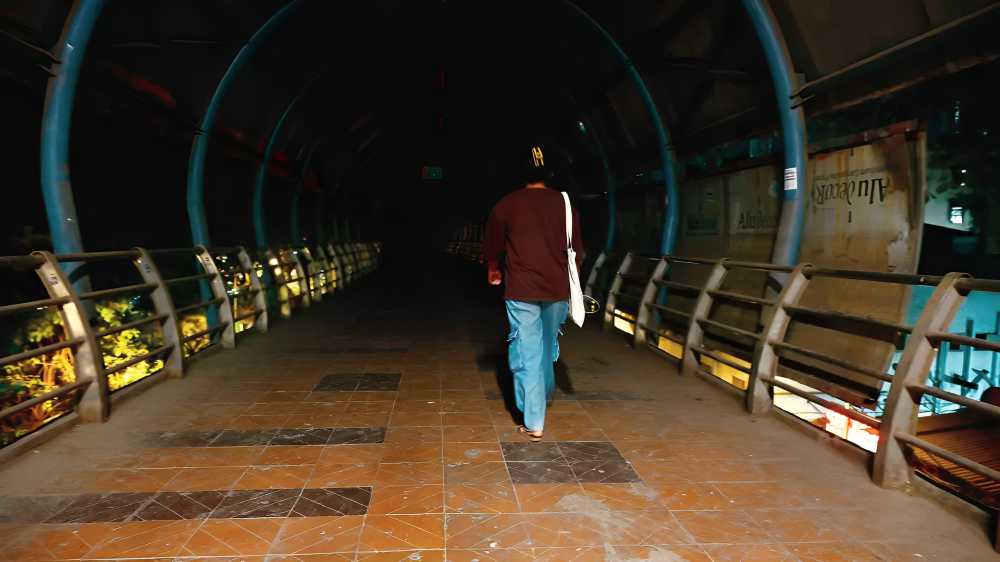
A ground assessment of several skywalks reveals a pattern of neglect, with commuters—particularly women—raising concerns about dark stretches, broken escalators, and the presence of anti-social elements. While some sections see usage during peak hours, the absence of consistent upkeep and monitoring has limited their effectiveness.
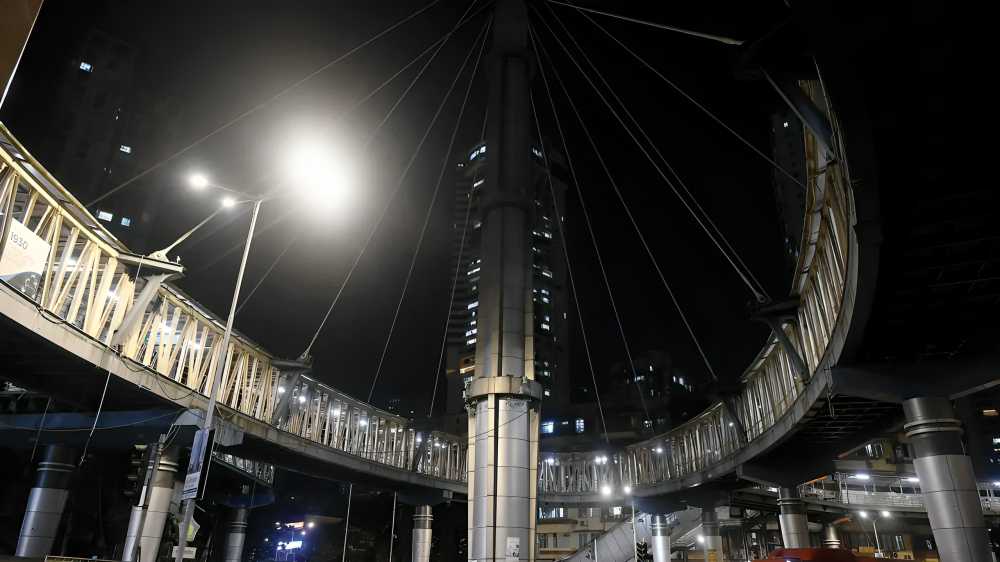
At Grant Road, residents reported malfunctioning escalators, littered pathways, and unsafe conditions. “I live in a second-storey apartment, which is on the same level as the skywalk. Once, when I was returning home late at night from Grant Road station, I encountered drunk men lying on the skywalk. It felt unsafe, but there were a few other people, so I didn’t panic and simply rushed home. The skywalk can’t be called completely safe,” said Avantika Biswas.
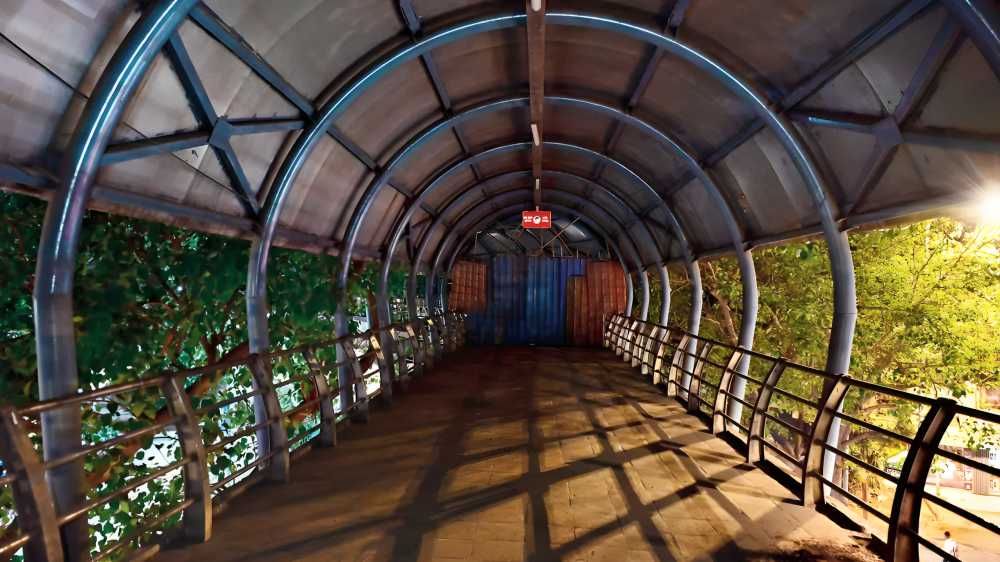
An elderly resident added, ‘‘I had come to see the skywalk when it first opened, but the escalators had stopped working a few days later. We hoped that the authorities would fix this as soon as possible, but the issue has persisted. While 20 years ago, I would have easily walked up the steps, right now, at the age of 68, it is not the best option; hence. I choose to use the road below the walkway instead’’.
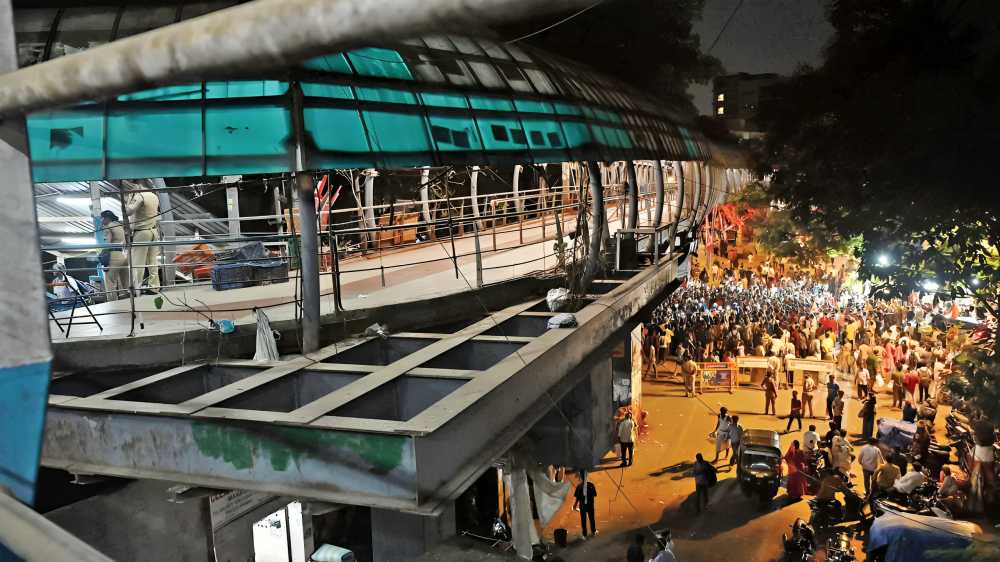
Similar concerns have emerged at Cotton Green, where a large unlit stretch deters usage after dark, and at Santacruz East, where residents highlighted the lack of CCTV surveillance and reports of illegal activities. In contrast, parts of Santacruz West remain relatively safer due to better lighting and higher footfall.
At Ghatkopar West and Borivli West, users described feeling unsafe late at night due to low footfall, poor lighting, and the presence of homeless individuals and intoxicated persons. Accessibility remains another major issue. Wheelchair user Jayashree Jadhav noted, “Though a few skywalks have escalators, none of them has lifts. Even today, no public infrastructure is built keeping us in mind.”
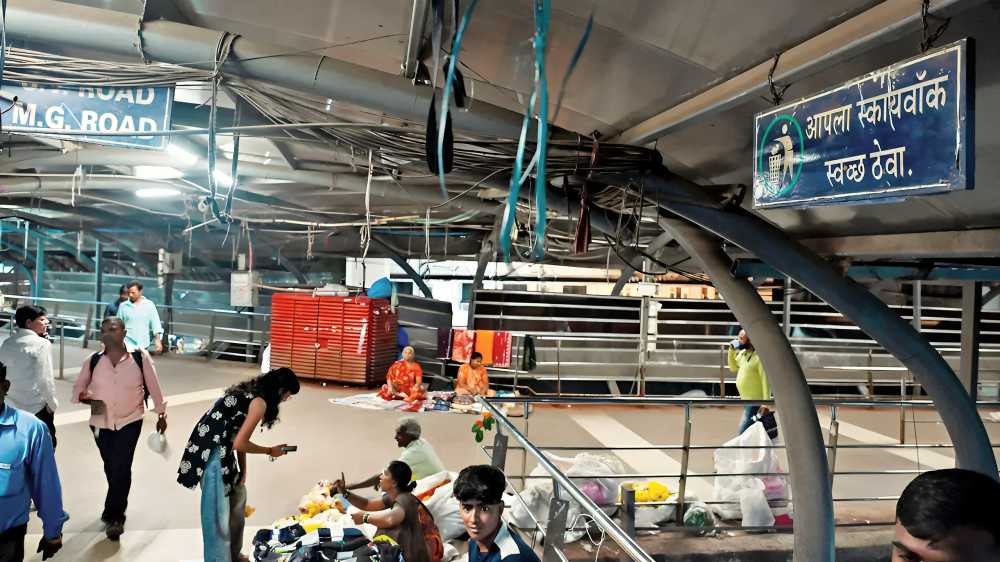
Officials from the Brihanmumbai Municipal Corporation acknowledged the challenges. Additional Commissioner Abhijit Bangar said, “There is no doubt that illumination is of utmost importance, and we try to provide it and respond immediately to related complaints. The biggest nuisance is anti-social elements, and security personnel are needed. Considering the BMC’s limited human resources and funds, it has not been possible to appoint them. The only possible solution so far is to give annual maintenance contracts to private players. However, there hasn’t been any positive outcome so far in this regard,” he said.
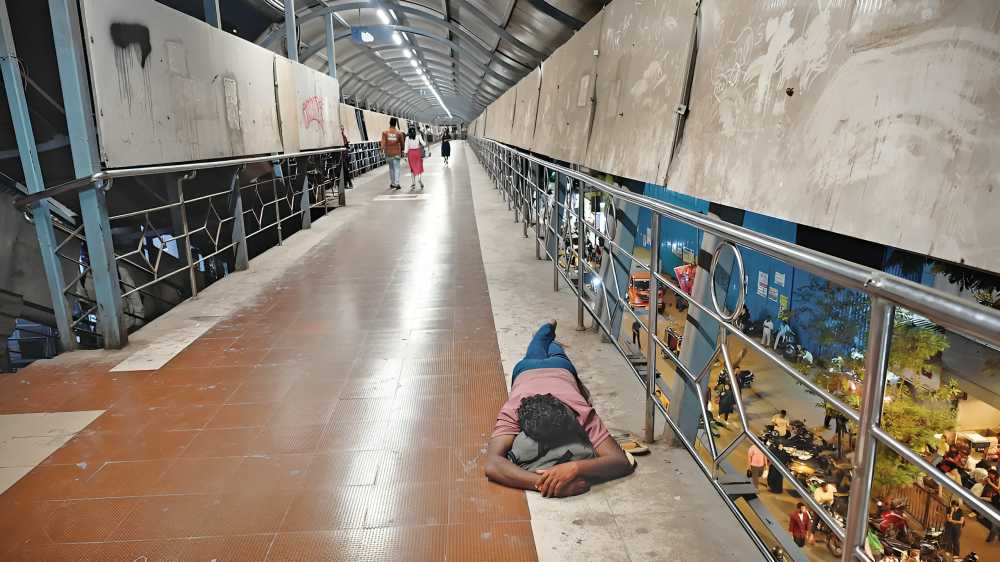
He added, “Skywalks have been successful only at places with heavy footfall; constructing them without any thought across the city is not the smart thing to do. This needs to be kept in mind moving ahead. We have realised that women prefer walking on crowded streets to using secluded skywalks. Thus, constructing proper footpaths with proper signalling facilities is the better option, especially in places with low footfall.”
The situation highlights a broader urban planning challenge—ensuring that infrastructure investments align with actual commuter needs, safety considerations, and long-term usability.
Source: Mid-day