
August 8, 2025: India’s first bullet train project—the Mumbai–Ahmedabad High-Speed Rail (MAHSR)—promises more than just a revolution in travel. At 508 kilometres in length and with a journey time of just over two hours between two of the country’s key economic centres, the MAHSR is already influencing property markets along its route. From Tier-2 cities to under-the-radar towns, the corridor is emerging as a catalyst for spatial and economic transformation.
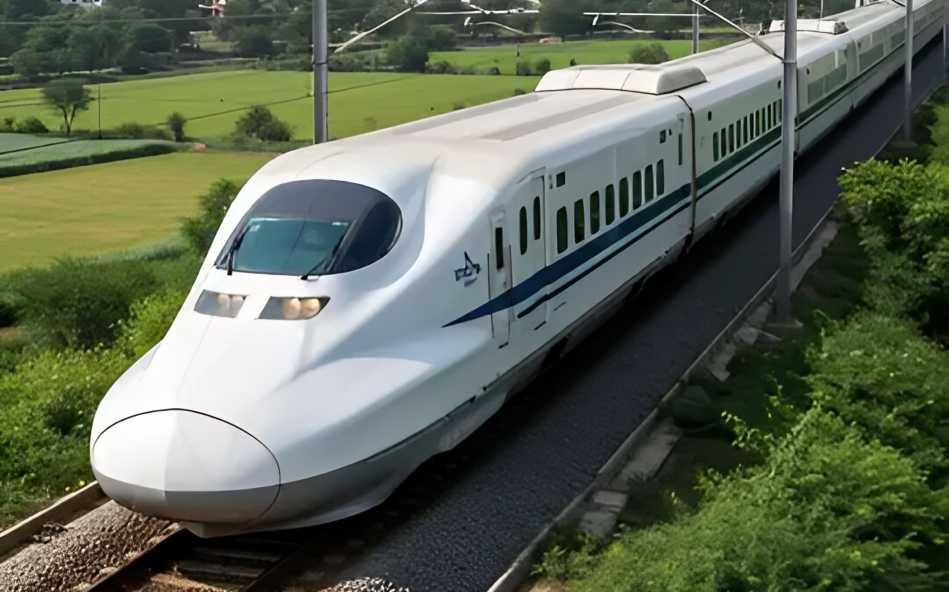
With 12 stations planned across Gujarat and Maharashtra, including Ahmedabad, Vadodara, Surat, Boisar, Thane, and Mumbai, the project will utilise Japan’s E5 Series Shinkansen technology, running at speeds up to 320 km/h. While Gujarat is expected to begin partial operations by 2027, full-scale services may commence between 2028 and 2030.
The MAHSR has ignited a wave of property interest. Surat, known for its diamond and textile industries, is seeing double-digit increases in property rates near the bullet train station. Vadodara is drawing mid-tier developers and investors due to its relatively affordable prices. Mumbai’s fringe suburbs like Thane, Boisar, and Virar are witnessing township developments with a new focus on reduced commute times.
Elsewhere, smaller hubs like Sabarmati and Anand—previously overlooked—are attracting NRI buyers and institutional investors interested in land banking and co-living ventures. Common trends include a rise in warehousing, retail, hospitality, and Transit Oriented Development (TOD), shaping future master plans.
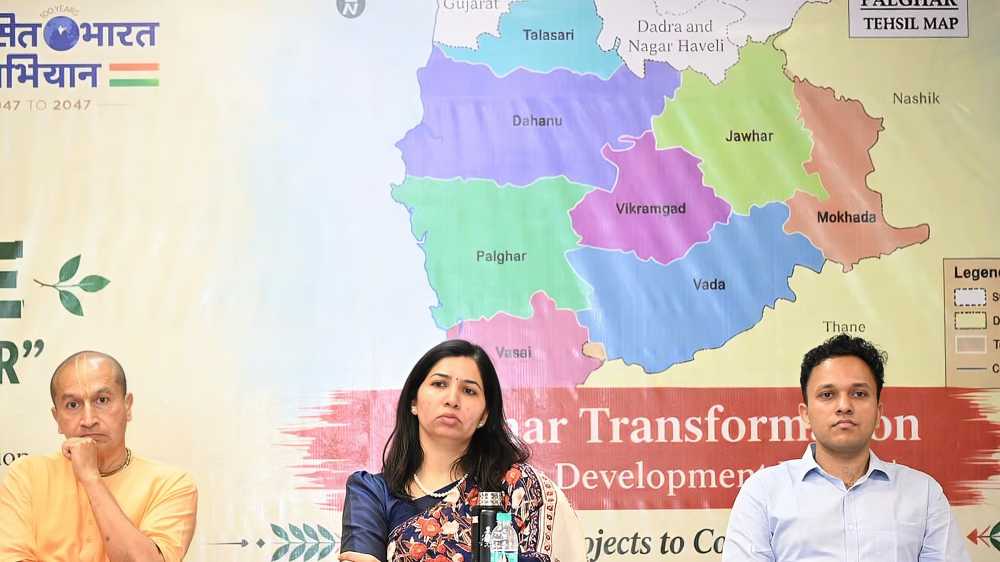
A significant lifestyle shift is also underway. With better connectivity, professionals may no longer need to reside in overcrowded city centres. Developers are acquiring land in towns like Palghar, Bilimora, and Vapi to create affordable, integrated housing. Smart homes, gated communities, and rental-focused projects are increasingly gaining ground.
Land values around the MAHSR stations have surged between 10–40%, prompting interest from REITs and large real estate firms. Builder activity is intensifying across high-growth corridors like SG Highway and Gandhinagar in Ahmedabad.
However, challenges persist. Delays in land acquisition—particularly near BKC and Thane—along with infrastructure deficits and regulatory bottlenecks could hinder progress. Experts caution against speculative investment, urging a long-term vision grounded in urban infrastructure readiness and transparent planning.
If developed strategically, the MAHSR could become a model for sustainable, transport-driven urban growth—blending speed with smarter, inclusive spatial development.
Source: Reade Brains