
November 26, 2025: Mira-Bhayandar’s redevelopment efforts are poised for a major boost as the civic administration prepares to roll out a “mini cluster” model aimed at speeding up the renewal of old and unsafe buildings across the city. The proposal, currently awaiting State-level approval, seeks to group at least five buildings—or qualifying plots that meet minimum built-up requirements—into focused redevelopment clusters. Officials believe this policy will help break long-standing deadlocks in some of the city’s most congested neighbourhoods, where fragmented redevelopment attempts have stalled for years.
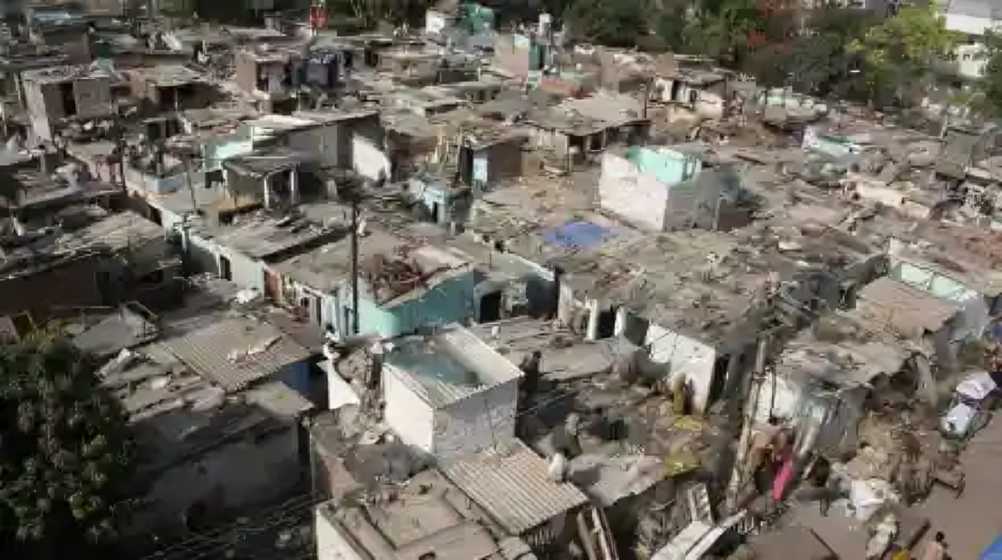
In a recent review at Mantralaya, senior State authorities instructed the urban development department to prioritise the updated proposal. Officials at the meeting noted that expanding eligibility under the Unified Development Control and Promotion Regulations (UDCPR) would make it easier to pool older structures, improving viability for societies that previously lacked the space, approvals, or financial feasibility for individual redevelopment. The mini cluster concept is tailored for buildings over 30 years old, many of which face structural deterioration, overcrowding, and limited access to temporary housing.
Civic officials highlighted that the absence of transit accommodations has been a major barrier for redevelopment in Mira-Bhayandar. A phased cluster strategy, they said, would enable smoother resident relocation, particularly benefiting senior citizens, women, and low-income households who face the greatest disruption during redevelopment.
The administration is also reviewing models adopted in nearby cities like Thane, where older gram panchayat zones have successfully transitioned into cluster redevelopment frameworks. Under UDCPR’s performance-based incentives, eligible buildings in Mira-Bhayandar could access significantly higher FSI—potentially above 6—depending on existing built-up area. Urban planners say such incentives can strengthen financial viability while supporting socially inclusive and climate-resilient neighbourhood planning.
In parallel, the State Cabinet has approved a large-scale policy for collective redevelopment of Maharashtra Housing and Area Development Authority (MHADA) layouts spanning 20 acres or more across Mumbai and its suburbs. This move aims to revitalise decades-old colonies and transform them into modern, amenity-rich residential precincts with improved mobility, green spaces, and better safety infrastructure.
Officials associated with the MHADA initiative noted that the policy will streamline clearances by removing the requirement of unanimous consent, while still ensuring that societies retain control over key decisions. Oversight by a Housing Department-led committee will help maintain quality and avoid delays.
Together, these policy shifts reflect a broader regional effort to achieve safer, more resilient, and more equitable housing across the Mumbai Metropolitan Region. For fast-growing cities like Mira-Bhayandar, adopting cluster-based redevelopment may be a crucial step toward building neighbourhoods capable of withstanding future urban challenges.
Source: Urban Acres