
December 20, 2025: Barely 35% of the trees transplanted for Mumbai’s flagship Metro Line 3, also known as the Aqua Line, have survived, while only about half of the saplings planted as compensatory afforestation remain alive. These findings have drawn sharp criticism from the Supreme Court, which on October 27 pulled up the Maharashtra government for its “poor” afforestation record linked to major infrastructure projects. The court has been monitoring all tree-related activity in Aarey since taking suo motu cognisance in 2019, following large-scale protests against tree cutting.
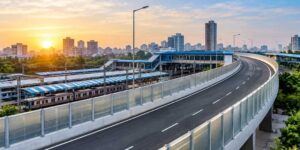
Construction of the 33.5-km underground metro corridor led to the felling of 4,941 trees—2,800 at station sites and 2,141 at the Aarey car depot. In response, the Mumbai Metro Rail Corporation Ltd (MMRCL) claimed to have transplanted 1,643 mature trees across Aarey and 31 other locations, and planted 20,460 saplings as compensatory afforestation.
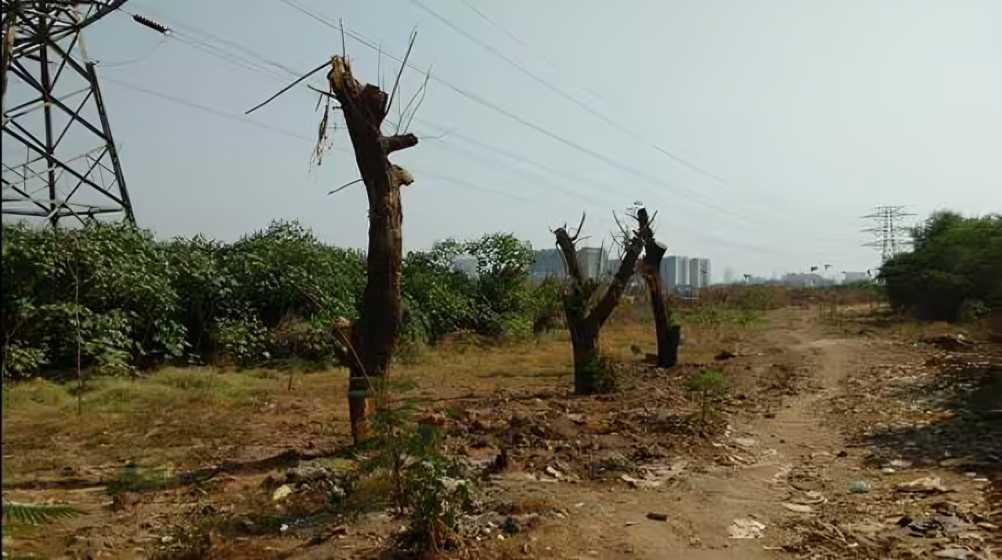
However, ground inspections tell a different story. An on-site visit by Hindustan Times found most transplanted trees reduced to dead stumps or moss-covered trunks, many still bearing identification tags. Afforestation plots showed withered saplings, missing trees, debris-filled land and little evidence of maintenance or protection.
Court-monitored inspections by a committee appointed by the Bombay High Court revealed worsening survival rates. During its ninth visit in November 2019, the committee found 61% of transplanted trees dead, up from 42% in January 2018. A 2020 survey by MMRDA showed only 543 trees had survived. Mortality rates exceeded 70% at several Aarey sites, while prominent locations such as CST, Siddhivinayak and BKC also showed extensive losses.
Activist Zoru Bhathena said, “The promise was that once the metro stations were ready, trees would be replanted at ground level. Not a single tree has been put back.” He added, “They have never shown us the saplings or trees on the ground. What is on paper and what exists on site are two completely different things.”
Forest officials later reported that nearly half the saplings had died due to poor soil, inadequate watering and damaged fencing. Environmentalists argue that compensatory afforestation has become a procedural exercise rather than a genuine effort, raising broader concerns about how green cover is being sacrificed—and poorly restored—across Mumbai’s infrastructure projects.