
December 24, 2025: The rapid growth of Mumbai’s Metro network is redefining residential and investment patterns across the Mumbai Metropolitan Region (MMR). What began as a public transport initiative has emerged as a key driver of real estate demand, reshaping commuting habits and influencing property values in both established and emerging suburbs.
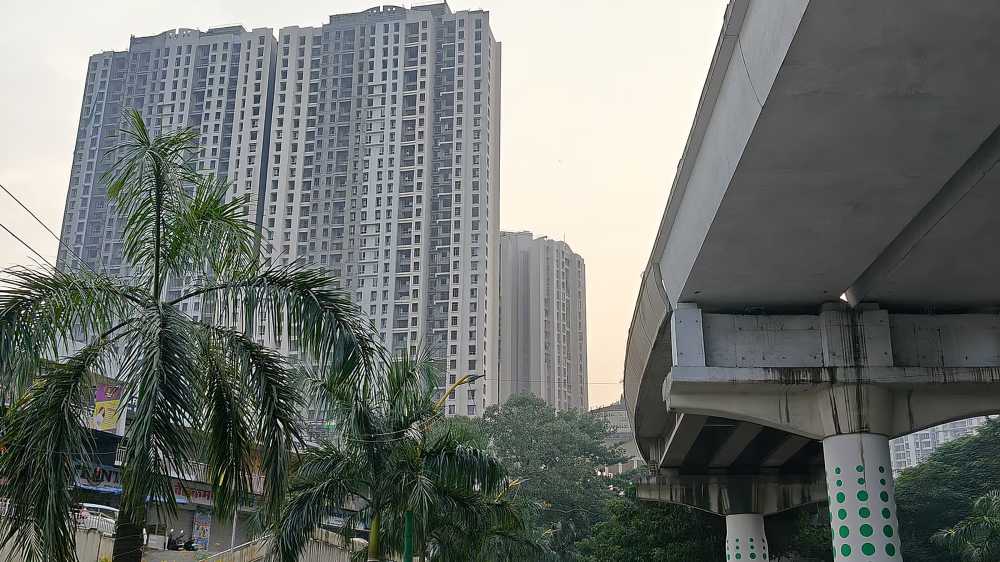
The impact is evident along Metro Lines 2A and 7, connecting Dahisar East and West with DN Nagar and Gundavali. In just 39 months, these elevated corridors recorded over 200 million passenger journeys, with average daily ridership exceeding 300,000. This high adoption highlights how metro connectivity is reducing commuting time and fatigue for thousands of residents traveling to Andheri, BKC, or South Mumbai. Professionals are increasingly willing to shift from high-cost central rentals to suburban areas now offering rapid, direct access to employment hubs. Previously “far-off” locations are becoming viable residential options, boosting interest in micro-markets like Borivali, Kandivali, Malad, Andheri, Dahisar, and Oshiwara.
From an investment perspective, properties near metro stations consistently command higher rentals and show strong capital appreciation potential. A study along the Versova–Andheri–Ghatkopar corridor demonstrated a clear correlation between metro access and rising property values and rental yields. Developers are now emphasizing metro proximity as a key selling point, recognizing its influence on both residential and commercial performance.
Several corridors stand out: the Western line from Dahisar to Andheri remains highly dynamic due to commuter traffic; Metro Line 3, connecting Worli to Cuffe Parade, is revitalizing South Mumbai and BKC demand; and the proposed Line 14 from Kanjurmarg to Badlapur will extend connectivity into the Eastern suburbs and Thane. Around stations, commercial development, retail clusters, and office hubs are expanding, enhancing local real estate ecosystems.
The takeaway is clear: in congested Mumbai, commute time is the new currency. Proximity to metro infrastructure is no longer optional—it directly drives lifestyle convenience, faster sales, price appreciation, and stable rental income, making metro access a central determinant of real estate value in modern MMR.