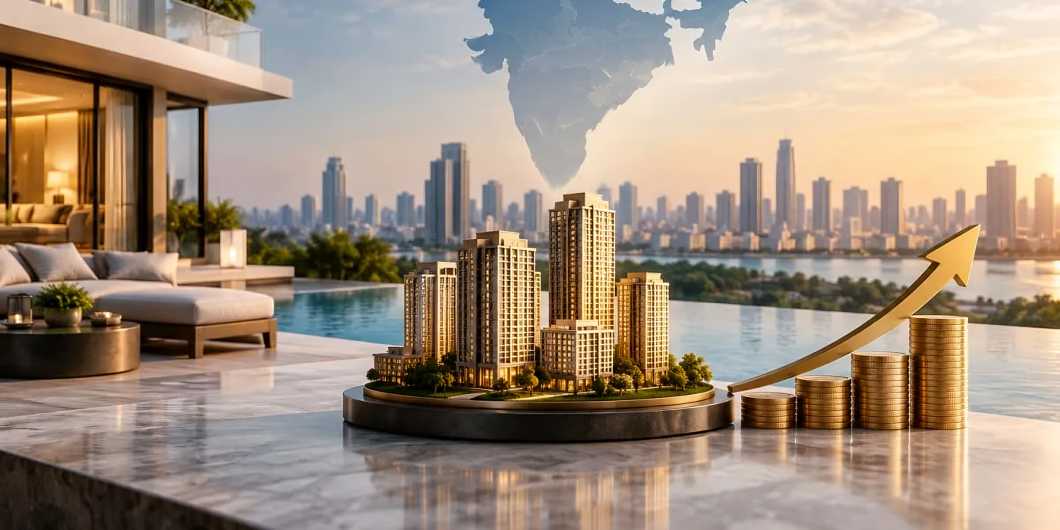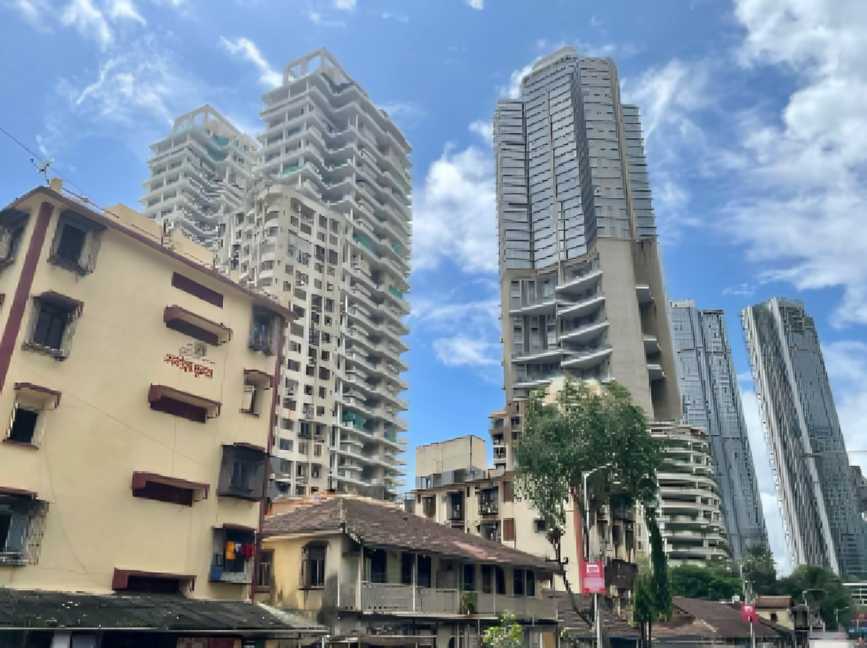

December 23, 2025: The year 2025 marked a turning point in Mumbai’s urban landscape, highlighting redevelopment as the city’s primary growth driver. Faced with land scarcity, ageing housing stock, and rising aspirations, Mumbai shifted focus from horizontal expansion to structured, large-scale redevelopment as the most sustainable pathway for urban growth.
Across the city, decades-old residential, commercial, and mixed-use properties underscored the need for transformation. Redevelopment emerged not just as a solution to space constraints but as a strategy to enhance liveability, safety, and infrastructure capacity. It also unlocked economic value by utilising underdeveloped land, creating new employment opportunities, and attracting investment.
“Redevelopment is urban renewal—it upgrades ageing buildings, strengthens safety standards, improves infrastructure capacity, and enhances quality of life,” the 2025 outlook highlighted. Socially, it allowed residents to access larger homes and better amenities without displacement, while economically, it provided an efficient pathway to unlock hidden value.
TransIndia’s focus in 2025 aligned with this shift, prioritising redevelopment-led growth that balances the interests of residents, authorities, investors, and the city at large. The year reinforced the view that redevelopment is a long-term responsibility rather than a short-term opportunity.
Looking Ahead: 2026 and Beyond
Redevelopment will continue to drive Mumbai’s real estate and infrastructure ecosystem in 2026, shaped by key trends:
-
Scale and Institutionalisation – Cluster-based and precinct-level transformations will replace isolated projects, supported by coordinated planning and infrastructure development.
-
Policy and Regulatory Clarity – Faster approvals and tenant incentives will strengthen confidence among developers and residents.
-
Sustainability and Resilience – Projects will prioritise energy efficiency, climate adaptation, improved drainage, parking, and green spaces.
-
Community-First Development – Redevelopment will integrate healthcare, senior-friendly design, smart mobility, and open spaces, fostering holistic communities.
TransIndia’s strategy remains clear: redevelopment-led urban transformation, responsible capital deployment, and long-term stakeholder value creation.
As Mumbai enters 2026, the city’s future will be defined not by new land, but by reimagining what already exists—making redevelopment the cornerstone of sustainable, inclusive growth.