
December 24, 2025: When a dilapidated Mumbai building goes in for redevelopment, homeowners are often promised a dream upgrade. A compact 2BHK transforms into a spacious 3BHK in a modern tower, complete with amenities, and the property value seemingly doubles—from Rs 2 crore to Rs 4 crore. It feels like a once-in-a-lifetime windfall, and understandably, most owners welcome it without hesitation.
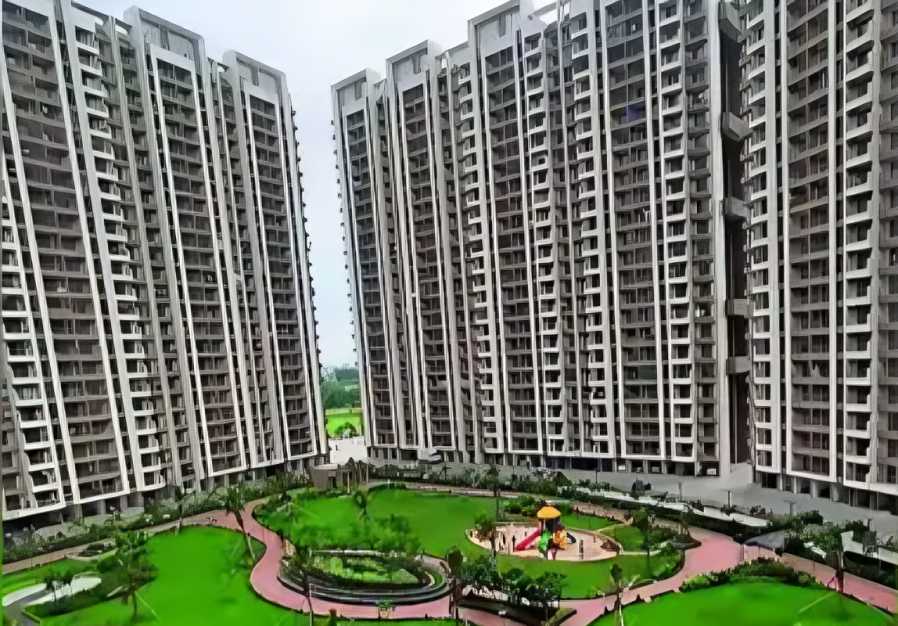
However, this upgrade needs careful evaluation. While the new home may feel like moving from a basic hatchback to a luxury car, the cost of maintaining that upgrade rises sharply. Living in an old standalone building typically involved minimal expenses—basic upkeep, a lift, and limited shared facilities. In contrast, modern towers come with landscaped lobbies, swimming pools, gyms, security systems, and professional facility management, all of which significantly increase monthly maintenance costs.
Maintenance, often overlooked during redevelopment discussions, can become a recurring financial strain. Today, maintenance charges commonly range between Rs 10 and Rs 20 per square foot of carpet area. For an owner moving from a 500 sq ft home paying Rs 2,500 per month to a 1,000 sq ft apartment, monthly outgoings can jump to Rs 10,000–Rs 20,000. Unlike a one-time gain in property value, this is a continuous expense that must be paid every month.
Earlier, developers often provided a maintenance corpus as part of redevelopment deals, intended to generate returns to offset these costs. Many owners, however, treat this corpus as surplus capital for buying other assets instead of preserving it to sustain their new lifestyle. This mismatch creates friction, especially in redeveloped buildings where original residents and new buyers coexist but operate at very different financial levels.
The outcome is predictable: disputes over services, compromised upkeep, or older owners eventually selling and moving to more affordable locations. Interestingly, properties built on vacant land—without legacy residents—command higher prices, as buyers anticipate smoother management and fewer conflicts.
The responsibility to address this challenge lies primarily with original homeowners. They must either approve projects with practical, affordable amenities or realign their expectations—viewing redevelopment as a lifestyle upgrade rather than a financial jackpot. After all, owning a luxury asset makes sense only if one can comfortably afford to maintain it.
Source: Mumbai Mirror