December 26, 2025: For generations, Mumbai has symbolised ambition and opportunity, even as daily life was shaped by overcrowded trains, gridlocked roads and long, exhausting commutes. Congestion was often accepted as the cost of chasing dreams in India’s financial capital. That long-standing reality, however, is beginning to change.
A new wave of infrastructure projects is steadily transforming how the city moves and lives. Landmark developments such as the Coastal Road, Atal Setu, and a growing web of flyovers and connectors are reducing travel times and bridging neighbourhoods once separated by hours of traffic. Enhanced metro connectivity, AC coaches on local trains and smoother road corridors have made daily commutes significantly more efficient, especially for officegoers travelling to South Mumbai from distant suburbs like Virar.
Rail and metro upgrades are reinforcing this shift. Modernised stations with elevators, escalators, ramps and improved foot overbridges at hubs such as Andheri and Borivali are reshaping the commuter experience, while projects like the Uran rail corridor promise wider regional access. Digital ticketing through apps like UTS has further eased everyday travel, cutting queues and delays.
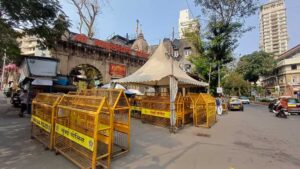
What sets Mumbai apart is how this progress unfolds alongside its deep-rooted character. Amid sleek metro stations and smart infrastructure, the city’s historic quarters—Pydhonie, Bhuleshwar and Kalbadevi—continue to thrive with their markets, heritage buildings and familiar rhythms. Old Bombay and new Mumbai coexist, layered and alive.
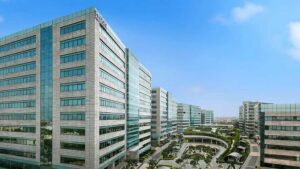
Improved connectivity is also unlocking economic opportunity. Faster links to business districts, industrial zones and emerging hubs are supporting job creation and regional growth. The upcoming Navi Mumbai International Airport, backed by new road, rail and harbour links, is poised to extend Mumbai’s reach across the wider metropolitan region. Timely completion of key projects like the Borivali–Thane tunnel and Thane–Navi Mumbai road will be crucial to this vision.
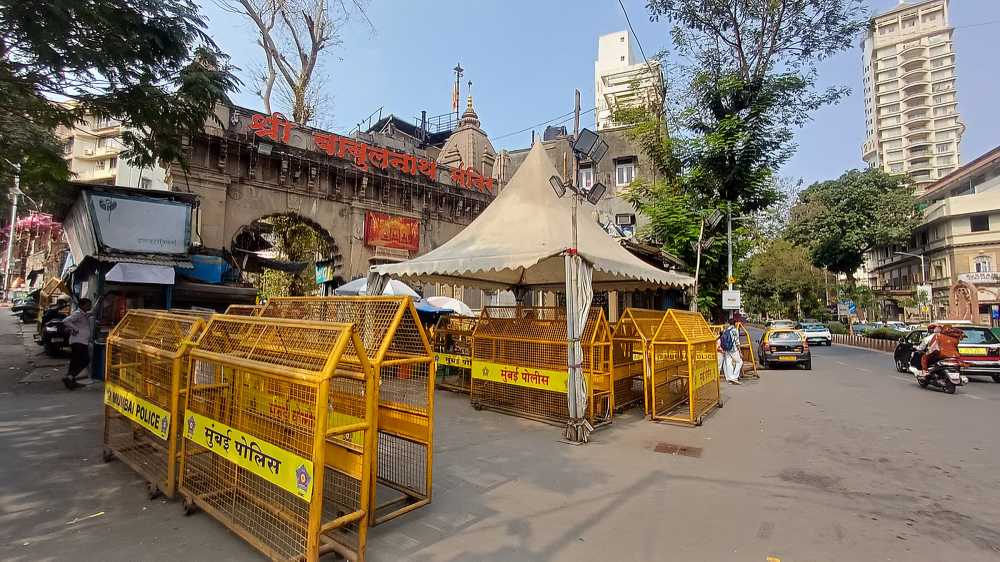
Beyond mobility, infrastructure upgrades are reshaping how safe and assured the city feels, with better lighting, surveillance and crowd management strengthening confidence in public spaces. Looking ahead, plans for a “Third Mumbai” between Navi Mumbai and Raigad signal an ambitious expansion of the MMR, aimed at decongestion and sustainable growth.
Mumbai’s transformation is still unfolding, but its direction is clear. As infrastructure catches up with aspiration, the city is finding balance—evolving into a place not just to endure, but to truly love.
Source: Lokmat Times