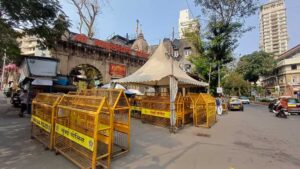
January 3, 2026: Tucked away at Mumbai’s easternmost edge, far removed from glossy real estate narratives of luxury living, the M-East ward continues to mirror the city’s deep-rooted inequalities. Encompassing areas such as Deonar, Govandi, Mankhurd and Ramabai Nagar, the ward has long ranked among Mumbai’s most deprived zones, despite repeated official acknowledgements of its challenges.
A 2009 report by the Brihanmumbai Municipal Corporation (BMC) placed M-East at the bottom of the city’s human development index, citing an average life expectancy of just 39 years, compared to Mumbai’s average of 53 at the time. More than a decade later, the absence of annual updates to this report has not translated into improved conditions on the ground. Instead, concerns flagged repeatedly — most recently by the Maharashtra State Human Rights Commission in 2023 — continue to persist.
The commission underscored how the ward’s burden of hazardous activities, including the century-old Deonar dumping ground, the city’s only bio-waste treatment plant and over 600 licensed and unlicensed industries, has contributed to poor infrastructure, socio-economic deprivation and elevated health risks. It directed the BMC to prepare a roadmap to improve civic amenities, public health infrastructure and tackle malnutrition, while also recommending the use of 155 hectares of vacant land for public facilities.
Health remains a critical concern, with studies highlighting high prevalence of tuberculosis, respiratory illnesses and other ailments linked to pollution and living conditions. Activist Bilal Khan, appointed amicus curiae in the case, said there has been little movement on implementation. “The complaint filed in 2019 before the commission focused on health infrastructure. There is an urgent need to upgrade the existing health facilities… There can be an increase in the number of municipal dispensaries, which can remain operational until evening,” Khan said.
With limited access to quality public services, residents often turn to informal and sometimes unsafe alternatives, from healthcare and education to water and electricity. A 2022 Apnalaya survey found nearly 70% of respondents in M-East cited water, sanitation, and hygiene as their top concerns.
“Even today, there are areas like the transit camp area in Patra Chawl in Mankhurd which have no formal supply of electricity,” said Shakhir Hussain Shaikh of Pani Haq Samiti, highlighting the added financial burden of informal services. While civic participation remains high, residents say meaningful change will require stronger political will and sustained intervention.