
January 5, 2026: Mumbai continues to struggle with a deepening waste management crisis even as the country’s wealthiest civic body heads into elections on January 15. Despite a sharp rise in spending, the city’s cleanliness record remains poor, raising serious questions about efficiency, accountability and long-term planning. Nayonika Bose examines the scale of the problem, the challenges involved and what lies ahead.
According to the Brihanmumbai Municipal Corporation’s (BMC) budget for 2025–26, expenditure on waste management touched a staggering Rs 5,548 crore, marking an increase of nearly 14 per cent over the previous year. However, the increased allocation has not translated into improved outcomes on the ground. Mumbai featured among the top 10 dirtiest cities in the country and ranked 33rd out of 40 cities in waste management performance, as per the National Swachh Survekshan report released in 2025.
The findings stand in stark contrast to neighbouring Navi Mumbai, which secured the position of the third cleanest city in India. The disparity has once again put Mumbai’s sanitation systems under scrutiny, especially at a time when civic governance is a key election issue.
As campaigning intensifies ahead of the BMC polls, poor cleanliness and inadequate sanitation have emerged as central concerns in several citizen-led manifestoes. The Chandivali CHA manifesto has called for a comprehensive policy to address garbage accumulation on footpaths, while the MNDCF citizen charter has demanded strict enforcement of Solid Waste Management (SWM) rules and the deployment of marshals to oversee waste handling in slum areas.
Similar appeals have been echoed in the Mumbai March manifesto, with an emphasis on systemic reforms, while the Lokhandwala Oshiwara Citizens’ Association (LOCA) manifesto has urged authorities to permanently eliminate chronic garbage dumping spots. Across the city, residents continue to report overflowing bins, unsegregated waste, and irregular collection.
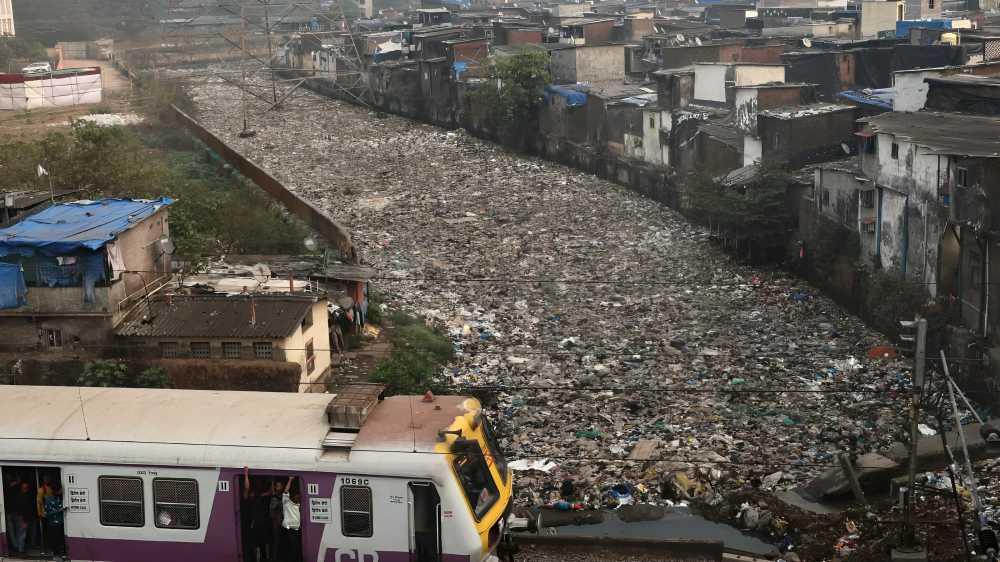
One of the most distressing examples is in Mankhurd, where a waterbody between Lallubhai Compound and Sonapur remains choked with floating waste, underscoring the environmental and public health risks of poor waste management. As Mumbai votes, citizens are demanding that sanitation move from promises to performance.