
January 13, 2026: As Mumbai prepares for the BMC elections in 2026, Mumbai March, a citizen collective representing residents of the city’s northern and suburban areas, has highlighted a series of long-pending civic concerns, ranging from incomplete roadworks and Metro projects to unresolved slum rehabilitation issues. The group said these challenges continue to affect daily life in the suburbs and require urgent attention from the civic administration.
Mumbai March pointed out that large stretches of Development Plan roads, link roads, service roads and bridges in suburban Mumbai remain unfinished, leading to traffic bottlenecks and safety risks. The group also demanded the removal of hawkers from footpaths to restore pedestrian access, along with the introduction of citizen-led audits and a formal audit mechanism to monitor civic works.
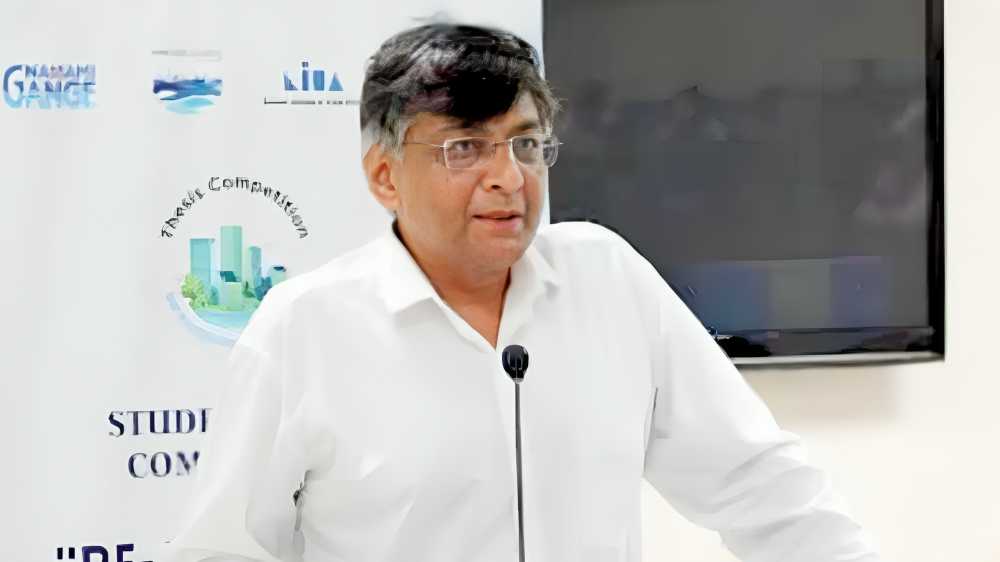
“The incomplete road work leads to traffic congestion and poor air quality. The incomplete work on nullah cleaning leads to waterlogging in monsoons. These problems have been sustained year-on-year for suburban residents,” said Gopal Jhaveri, founder of Mumbai March.
Public transport infrastructure featured prominently in the group’s demands. Mumbai March called for faster completion of Metro projects, including extensions and interconnections of Line 7, Line 2A and the Aqua Line. It also sought progress on pending bridges in areas such as Rajendra Nagar and Oshiwara–Ram Mandir, and the development of integrated public transport hubs in suburban locations including Borivali East.
Slum rehabilitation was flagged as another critical issue, particularly in areas where redevelopment under the Slum Rehabilitation Authority is not viable due to land constraints. “Areas like Ganpat Patil Nagar, areas around the airport, Sanjay Gandhi National Park, and Malwani have slum pockets, where SRA construction is not feasible owing to the nature of the land. We hope that the civic body resolves the issue, inching closer to the dream of ‘Zero-Slums Mumbai’,” Jhaveri said.
To ensure accountability, the group proposed a structured timeline for action. It suggested six months for identifying pending road projects, six to 18 months to initiate execution, and 18 to 36 months to complete transport hubs and other major civic initiatives. According to Mumbai March, such time-bound planning is essential to address long-standing suburban infrastructure deficits and improve overall urban liveability.