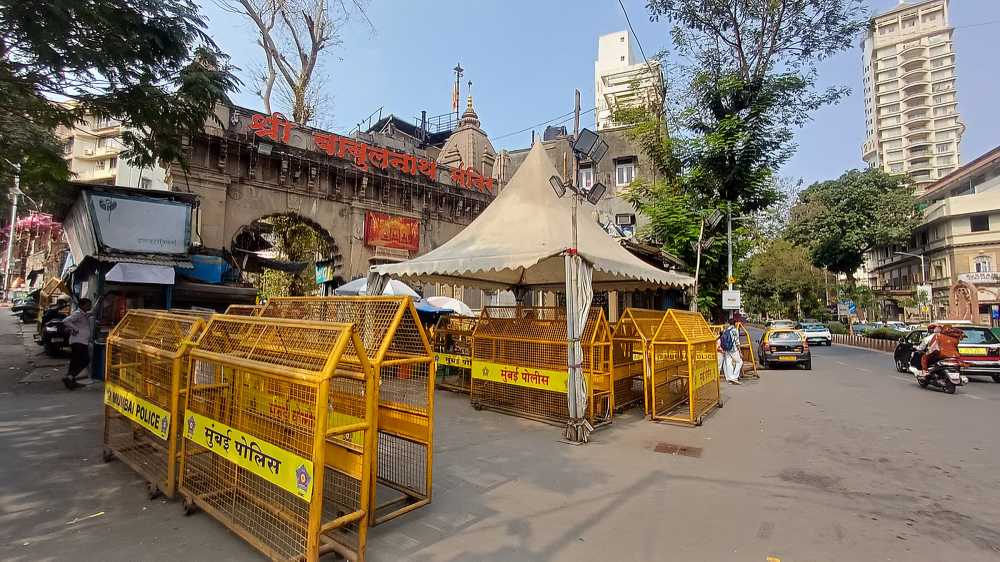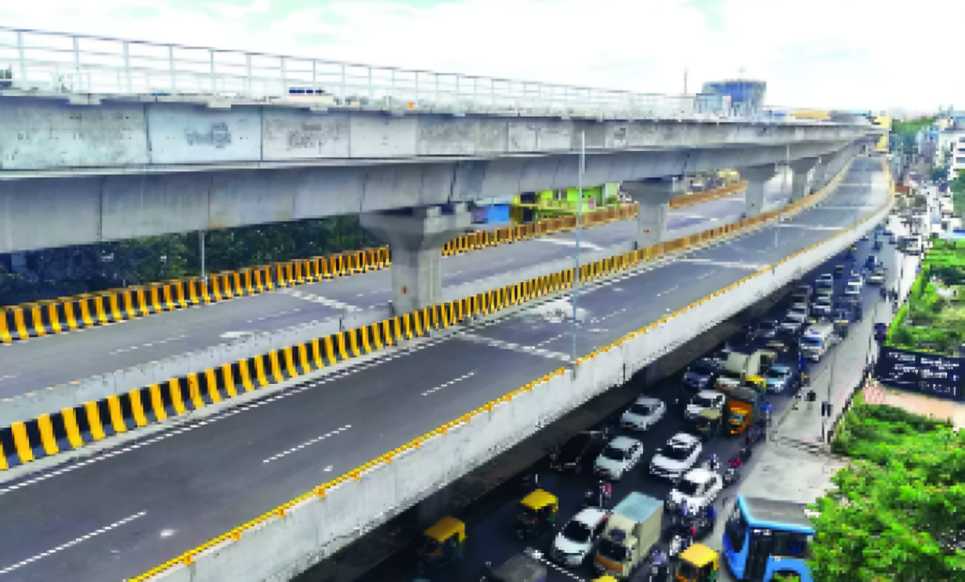

January 13, 2026: After months of slow progress, work on the demolition of the Elphinstone Road bridge has regained momentum, with authorities preparing to tackle the most challenging phase of dismantling the section spanning the railway tracks. The historic bridge is a key east–west link connecting Parel and Prabhadevi, and its redevelopment is considered crucial for easing congestion in central Mumbai.
Demolition activity had earlier slowed at the rail crossing due to operational and safety constraints. Officials now say the process is back on track under the supervision of the Maharashtra Rail Infrastructure Development Corporation Limited (MRIDC), following sustained coordination with railway authorities. MRIDC Managing Director Rajesh Kumar Jaiswal described the task as technically demanding and sensitive, requiring execution in carefully planned stages.
“Demolishing the entire bridge is critical and crucial. The most important aspect is the overhead equipment (OHE), which has to be handled carefully so that railway operations are not disrupted,” Jaiswal said.
“The bridge will be demolished in parts, phase-wise. While carrying out the demolition, we also have to ensure that no track is harmed and that proper cleaning is maintained,” he added.
According to MRIDC, preparatory work has already been carried out during night blocks, while approval is awaited for a longer mega block to execute the most complex rail-over section. Although delays in block permissions had sparked concerns over timelines, Jaiswal maintained that the schedule remains intact.
“The MRIDC portion of the project is planned for completion by September 2026. Significant progress has already been made, with 70 per cent of the girder work completed. These components are being manufactured at a specialised factory in Noida,” he said.
Railway officials have ruled out extended 18–20 hour shutdowns, citing passenger inconvenience. Meanwhile, fears of a financial standoff over way-leave and supervision charges have eased after MRIDC reached an agreement with Western Railway.
“WR has agreed on the way-leave charges. An initial payment of Rs 9 crore will be made, followed by Rs 50 crore later,” Jaiswal said. “The priority is that the work should not stop and that commuters should not be inconvenienced. Construction will continue alongside the financial processes.”
With inter-agency coordination improving, officials remain confident the project will meet its revised deadline.